 Created by renowned Harvard health care professionals.


Musician Hand Numbness: How Three Players Found Relief
A pianist and organist, a classical guitarist and a flutist share how numb hands at night threatened their playing, and what brought relief.


Musician hand numbness can turn a career in music into a nightly struggle. A pianist and organist, a classical guitarist and a flutist share what happened when numb hands at night threatened their playing, and what brought relief.
Table of Contents
Three Musicians’ Experiences
“I have tried the old wrist brace, plus resting my hands and wrists forever with no success. After wearing the Carpal Solution for three nights, the complete numbness that I have had in both hands (especially at night) completely disappeared.
In addition, my aching, almost non-functioning wrists felt like new ones. I am sending all of my friends to the local pharmacy!”
Ceil, Pianist / Organist, and carpal tunnel syndrome sufferer for 6 long years.
As a guitarist I get so much satisfaction from playing and performing music. But my hands take a beating daily. I have struggled with different exercise regimens and splints to avoid Carpal Tunnel surgery. As an artist, I will not have anyone cutting on my hands. The carpal tunnel splints are so restrictive and don’t seem to help.
I was getting desperate the last six months on a concert tour and found the Carpal Solution on line. It worked so quickly, I began to take it for granted that I had my hands back and stopped in the middle of the Six Week protocol. The symptoms came rushing back so quickly, I got back to the disciplined six week program. Now I find that I only need the Carpal Solution once a week or sometimes after a big concert program.
It is so great to have a therapy that works and keeps me playing reliably.
I recommend the Carpal Solution without reservation.
Roberto – Classical Guitar Instrumentalist – Performer and Song Writer – California
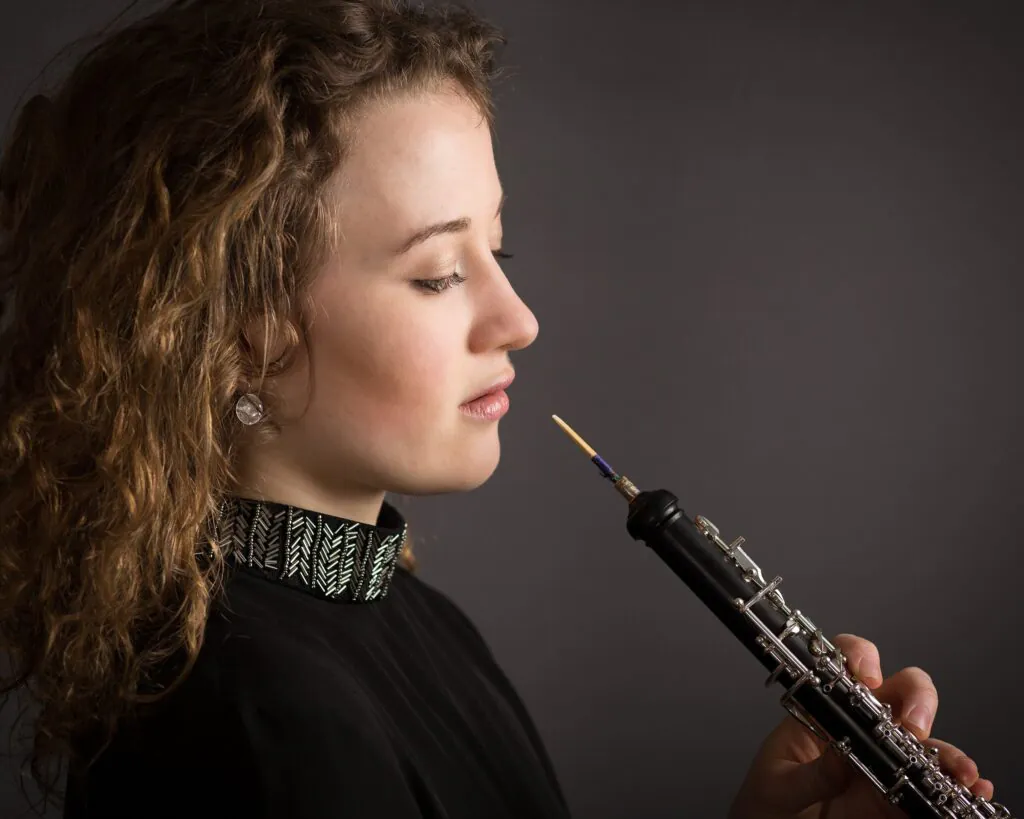
I play the flute in a classical music group and am passionate about it. After a particular heavy series of practice sessions preparing for a concert I found my hands and wrists were aching and woke me up at night on a routine basis with numb hands. It was so disconcerting to think that my hand condition might keep me from playing. I began searching and talking with friends about what they do.
A friend recommended the Carpal Solution. It seemed too good to be true, but I trusted my friend and purchased the Six Week Therapy Pac. Within a week I was back to regular practice without pain and numbness. My natural strength and dexterity returned. I was able to sleep without interruption. The Carpal Solution is Marvelous!
Jean S. – Maryland
What Happens When a Musician Finds Relief From Hand Numbness
The three accounts on this page come from a pianist and organist, a classical guitarist and a flutist, and they share a pattern: each had tried something else first. Ceil, a pianist and organist who had lived with carpal tunnel syndrome for six years, tried a wrist brace and resting her hands without success. Roberto, a classical guitarist, struggled with different exercise regimens and splints that he found restrictive. Jean S. played the flute and found her hands aching after heavy practice sessions before a concert.
Musician Hand Numbness: What Each Player Reported
Ceil says the complete numbness in both hands, especially at night, disappeared after three nights, and that her wrists felt like new ones. Roberto says the therapy worked so quickly that he stopped in the middle of the Six Week protocol, only to see his symptoms come rushing back, so he returned to the disciplined program. He now uses it about once a week or after a big concert program. Jean S. says she was back to regular practice without pain or numbness within a week. These are personal accounts, and results may differ from person to person.
The Lesson From Roberto’s Experience
One practical takeaway is that feeling better quickly does not necessarily mean the work is finished. When a musician finds relief quickly, it is tempting to stop early, and Roberto’s account suggests that completing the full program mattered for him. You can read the Six Week Protocol to see how the therapy is organized, and talk with your doctor about the right plan for your hands.
Why Musicians Take Hand Pain Seriously
Musicians rely on fine motor control, and musician hand numbness or aching can interrupt practice, rehearsals and performances. Carpal tunnel syndrome can cause numbness, tingling and weakness in the hand, and the NINDS carpal tunnel syndrome fact sheet offers general background on the condition. For a performer, a musician finds relief when the hands feel dependable again, and that can mean the difference between playing on and stepping back.
Why Musician Hand Numbness Strikes at Night
Musician hand numbness followed the same pattern for all three players: numb fingers after playing music, and hands that woke them at night. That pattern points to carpal tunnel syndrome. The muscles that bend the fingers and thumb sit in the forearm, and their nine tendons pass through the carpal tunnel beside the median nerve. Long practice sessions inflame the soft tissue around those tendons, and the swelling squeezes the nerve and restricts blood flow and lymph drainage.
At night, many people sleep with their wrists bent, which raises the pressure even more and makes musician hand numbness worse. That is why musician numb hands at night are so common, and why the numbness often eases after a few minutes of shaking the hands out in the morning.
Musician hand numbness can affect any instrument. Organist carpal tunnel and pianist carpal tunnel come from the same hours of fast, precise finger work, and wind players like Jean hold their hands in fixed positions for long passages. Carpal tunnel before a concert is especially common, because practice time climbs just when rest drops.
If you have three or more of the carpal tunnel symptoms listed on this site, our doctors’ two decades of clinical experience suggest you can be about 95% confident it is carpal tunnel syndrome. You should still get an in-person evaluation from a doctor, but you can start a natural, non-invasive treatment while you wait. See a doctor promptly for constant numbness, weakness or thinning of the muscle at the base of the thumb.
Musician Hand Numbness: What Our Doctors Recommend

For musician hand numbness, the Carpal Solution is worn at night during sleep, so there is no time away from the instrument. Its six-week protocol gives over 220 hours of targeted passive stretching that restores flexibility to the injured soft tissue, relieves pressure on the median nerve and lets blood and lymph fluid flow freely to clear out the swelling. It is your body that does the healing; the Carpal Solution jump-starts it.
- Finish the full six weeks: most people are better from their worst symptoms in two to three weeks, and about 90% get complete remission in six weeks. Like Roberto, stopping early can bring symptoms back.
- Daytime stretches: if your schedule allows, up to 6 sets of 10 gentle stretches a day, holding each for 15 seconds with 30 seconds of rest.
- No grip exercises while healing: skip squeeze balls and putty; grip strength returns with normal playing once the pressure is off the nerve.
- Before and after big concerts: many players use the Carpal Solution anywhere from once a week to once every six months to stay in remission.
Splints are the right tool for fractures and sprains, where holding a joint still lets it heal. For carpal tunnel, a splint mostly shields the wrist from painful movement, at two separate costs: unused muscles weaken (muscle atrophy), and restricted blood circulation and lymph flow reduce the nutrients needed for healing and slow the clearing of inflammation, so soft tissue heals more slowly. Use one only for temporary relief, not long term.
Carpal tunnel surgery has a patient satisfaction rate lower than 69%: about 31% of patients report lingering or recurring symptoms, and no patient is satisfied with lingering symptoms. Even after a successful surgery, 57% of patients had at least some symptoms return within five and a half years (Nancollas et al., 1995), and our doctors estimate 80 to 90% within 10 years, based on two decades of clinical experience rather than published research. See recurrence after carpal tunnel surgery and carpal tunnel surgery for musicians.
The Carpal Solution has 97% patient satisfaction over 21 years and 4.9 out of 5 stars on independent review sites like Google Reviews, and over 100,000 people have used it over two decades. Waiting for a specialist? The average new-patient wait is 31 days (AMN Healthcare, 2025); see waiting for carpal tunnel treatment. More musicians’ experiences: musician carpal tunnel and 10 tips for musicians.
Carpal Tunnel Before a Concert: A Musician’s Checklist

Few things worry a musician more than numb fingers the week of a performance. If you notice carpal tunnel symptoms before a concert, recital or recording session, these steps help you get through it while you treat the cause:
- Start treatment right away. Most people are better from their worst symptoms in two to three weeks with the Carpal Solution, so the sooner you begin, the better your hands will feel on the day.
- Wear it every night until the performance. Nightly passive stretching relieves pressure on the median nerve while you sleep, which is when musician numb hands at night are worst.
- Shorten practice blocks. Rehearse in 25- to 45-minute sessions with rest between, rather than marathon run-throughs.
- Warm up gradually. Easy scales, long tones or slow passages first, especially in a cold hall.
- Keep your hands warm. Cold hands stiffen and tingle more; wear gloves between sets and before you play.
- Mind your posture. Organists, pianists and keyboard players should check bench height so the wrists are level, and string and wind players should check strap and stand height.
Organist carpal tunnel deserves a special mention. Organists play multiple manuals with arms reaching forward and up, often for long services and rehearsals, which keeps the forearm muscles loaded for hours. The same nightly treatment works for organists, pianists and every other musician with numb fingers after playing music. Read how Diane, a music director and pianist, got back to 12-hour playing days, and see more musicians on our Patient Experience with Carpal Tunnel page.
When Healing Needs a Doctor’s Help and Professional Medical Evaluation
- Constant numbness that does not improve or loss of feeling in the fingertips that does not improve in 4 to 8 weeks.
- Extreme loss of the muscle at the base of the thumb, with loss of grip strength that does not improve over 6 to 8 weeks.
- Worsening symptoms over 6 to 8 weeks while using the best conservative treatments
- Symptoms that begin suddenly after hand or wrist trauma, a fracture or severe sprain from a fall or auto accident.
- Odd Symptoms that are not consistent with the Carpal Tunnel Symptoms listed on this website, that might be indicative of other nerve issues. A nerve conductivity study can clear up the confusion with minimal costs and not too much pain and no risk.
These signs may mean more advanced nerve involvement or a different condition and deserve professional medical evaluation and in person consultation. Home treatment can be used alongside professional in-person medical care while you wait for the healthcare delivery system to fit you into their schedule. There is no reason to wait doing nothing. You can start proven natural conservative treatment with good patient reviews while you wait for your appointments.
If your symptoms start improving over 6 to 8 weeks, then you know you are on the right track and surgery is not necessary.
Musician Hand Numbness: FAQ
Why do my hands go numb after playing music?
Musician hand numbness usually starts when hours of precise finger work inflame the soft tissue in and around the carpal tunnel, and the swelling squeezes the median nerve, which causes numbness and tingling in the thumb, index and middle fingers.
Can organists and pianists get carpal tunnel?
Yes. Keyboard players use their fingers intensely for hours, and Ceil, a pianist and organist, lived with carpal tunnel for six years before she found relief.
What should I do about carpal tunnel before a concert?
If musician hand numbness flares before a concert, start the Carpal Solution at night right away, add gentle daytime stretches if you have time, and keep your wrists straight while you sleep. Most people are better from their worst symptoms in two to three weeks.
Should I stop the Carpal Solution once the numbness is gone?
Finish the full six weeks first. Roberto stopped early and his symptoms came rushing back. After that, a night once a week to once every six months helps keep symptoms in remission.


