 Created by renowned Harvard health care professionals.


Essential Oils for Carpal Tunnel, Plus Turmeric and Ginger: What the Evidence Shows
Which essential oils, spices and botanicals ease carpal tunnel pain, what the research shows, how to use them safely, and how to pair them with the Carpal Solution for lasting relief

Written by Alan Ward, MOT, OTR, Vice President and Master Occupational Therapist, Precision Rehabilitation, Blanding, Utah, and Jeff Conley, First Hand Medical · Last reviewed: November 2026
Essential oils for carpal tunnel are a popular, gentle way to soothe aching hands, and two have early research behind them: lavender and menthol (from peppermint). Turmeric and ginger, often recommended for inflammation, have less direct evidence in carpal tunnel. None of them relieves the pressure on the median nerve by itself, but used wisely they can add comfort to a treatment that does.
Alan Ward, MOT, OTR, is the Vice President and Master Occupational Therapist of Precision Rehabilitation in Blanding, Utah, and a licensed occupational therapist serving the surrounding southeastern Utah region.
Mr. Ward serves patients through San Juan Hospital, Blue Mountain Hospital, San Juan County Home Health and regional outpatient clinics in Monticello, Montezuma Creek and Monument Valley through the Utah Navajo Health System.
He earned his master’s degree in occupational therapy from the University of Utah, has provided occupational therapy services in southeastern Utah since 2005, specializes in therapy, splinting and bracing of the hands and forearms, and uses the Carpal Solution with his own carpal tunnel patients. Here are five honest facts about essential oils, turmeric and ginger, how to use them safely, and how to build them into a plan that works.
Table of Contents
Essential Oils for Carpal Tunnel: The Short Answer
- Lavender has the best evidence. In one randomized trial, lavender ointment plus a night splint beat a splint plus placebo for symptoms, pain and pinch strength.
- Peppermint (menthol) eases pain for a few hours. A small placebo-controlled trial found 1 to 3 hours of relief.
- Turmeric and ginger help general inflammation but have no clear proof for carpal tunnel on their own.
- Oils soothe; they do not heal the tunnel. Pair essential oils for carpal tunnel with the Carpal Solution nighttime stretching treatment, which works on the cause.
At a Glance: Oils, Spices and Botanicals
Here is how the most popular essential oils for carpal tunnel and related natural options compare:
| Natural option | How it is used | Evidence in carpal tunnel |
|---|---|---|
| Lavender oil (Lavandula stoechas) | Topical ointment | One randomized trial: added benefit to night splinting |
| Menthol / peppermint | Topical gel | One small placebo-controlled trial: 1 to 3 hours of pain relief |
| Turmeric (curcumin) | Oral or topical | Studied mostly with other supplements; no clear CTS proof yet |
| Ginger | Oral or topical | No carpal tunnel studies |
| Other oils (eucalyptus, frankincense, rosemary) | Topical or aromatherapy | No carpal tunnel studies |
| Botanical Pain Reliever | Cold-pressed plant oil compress | Clinical experience and patient use; no published trials |
Fact 1: Lavender Oil Showed Promise in a Randomized Trial
In a randomized, placebo-controlled trial of 48 people with mild to moderate carpal tunnel syndrome, everyone wore a night wrist splint for 40 days; half also applied a lavender (Lavandula stoechas) oil ointment and half a placebo ointment. The lavender group improved significantly more in symptom scores, pain and pinch strength.
It was one small study, published as an abstract, so the results need confirming. But it is the strongest evidence for any of the essential oils for carpal tunnel. Notice, too, that the oil was used alongside a nighttime treatment, not on its own.
Fact 2: Menthol (Peppermint) Can Ease Pain for a Few Hours
In a triple-blind, placebo-controlled trial of 10 workers with carpal tunnel syndrome, a menthol gel reduced pain by 1.2 points on a 0 to 10 scale more than placebo over 1 to 3 hours. Peppermint oil is rich in menthol, which gives the familiar cooling sensation. That makes peppermint one of the most practical essential oils for carpal tunnel flare-ups during a long workday. See carpal tunnel relief cream for more topical options.
Fact 3: Turmeric for Carpal Tunnel Inflammation Is Promising but Unproven
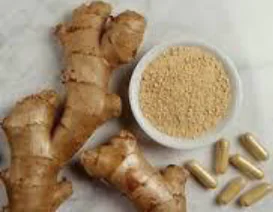
Turmeric’s active compound, curcumin, has anti-inflammatory effects that have been studied in conditions like arthritis. In carpal tunnel, it has mostly been tested combined with other supplements, and a trial of topical curcumin cream was registered without published results. For now, there is no clear proof that turmeric on its own relieves carpal tunnel symptoms.
Our doctors still include turmeric, taken with black pepper extract to help absorption, along with ginger root and boswellia, in their whole-body program for people with high systemic inflammation, the recommendations for persistent carpal tunnel symptoms. The goal there is to lower inflammation throughout the body so the Carpal Solution can clear what is trapped in the tunnel faster.
Like essential oils for carpal tunnel, turmeric in food is safe for most people. Supplements can interact with blood thinners and some diabetes medicines and may upset the stomach, so check with your doctor or pharmacist first.
Fact 4: Ginger Hasn’t Been Studied for Carpal Tunnel
Ginger is widely used for nausea and contains anti-inflammatory compounds, but there are no carpal tunnel trials. Enjoy it as food or tea. Like turmeric, concentrated ginger supplements can interact with blood thinners.
Fact 5: Oils and Spices Can’t Reach the Pressure Inside the Tunnel
Carpal tunnel syndrome is an entrapment syndrome: inflammation and swelling get trapped in the narrow carpal tunnel at the base of the hand, squeezing the median nerve along with the blood vessels and lymph channels that should drain the area. Restricted drainage lets fluid build up, so pressure rises further.
An oil on the skin or a spice in your food can soothe and support general health, but it cannot loosen the tight tissue over the tunnel or move the trapped fluid. That is why the lavender trial paired the oil with a night splint, and why our team pairs essential oils for carpal tunnel and other natural comfort measures with a treatment that works on the cause.
An Occupational Therapist’s View: Comfort Plus Treatment
Occupational therapists spend their days helping people get their hands working again for work, home and play. In that setting, essential oils for carpal tunnel have a useful but limited role. A gentle massage with a diluted oil can relax tight forearm muscles, warm stiff hands and make daytime stretching more comfortable. It can also be a pleasant ritual that helps people stick with their home program. Read Mr. Ward’s full guide, Occupational Therapy for Carpal Tunnel.
What essential oils for carpal tunnel cannot do is replace the treatment that works on the tight tissue over the carpal tunnel. As a hand and forearm specialist with long experience in splinting and bracing, Mr. Ward has seen that splints only hold the wrist still. That is why he uses the Carpal Solution with his own carpal tunnel patients: it provides gentle passive stretching for hours every night, which a splint or an oil cannot do. Read more in his occupational therapist recommendations for carpal tunnel and on his expert profile.

The practical takeaway from an occupational therapy point of view:
- Use essential oils for carpal tunnel as a daytime comfort tool, especially before or after stretching and self-massage.
- Use the Carpal Solution at night as the treatment that loosens the tissue and clears trapped inflammation.
- Skip gripping exercises such as squeeze balls and putty while you heal; your grip returns on its own once pressure is off the nerve. See Physical Therapy for Carpal Tunnel.
The Doctor-Developed Botanical Option
For people who want a plant-based comfort measure designed specifically for hand and wrist pain, the same doctors behind the Carpal Solution developed the Botanical Pain Reliever. It is a cold-pressed plant oil made from natural anti-inflammatory agents, with no preservatives or petroleum-based additives, applied as a compress so it stays in contact with the skin for a long time. Its evidence is clinical experience and patient use rather than published trials.
In our doctors’ persistent symptoms program, the Botanical Pain Reliever compress is used at night, alternating nights with the Carpal Solution, for 6 to 8 weeks. It is a natural alternative to oral pain medication and fits well with other essential oils for carpal tunnel used during the day.
How to Use Essential Oils for Carpal Tunnel Safely
- Always dilute. When using essential oils for carpal tunnel, mix a few drops of essential oil into a carrier oil or unscented lotion; never apply undiluted oil to the skin.
- Patch test first. Try a small amount on your forearm and wait a day to check for redness or itching.
- Massage gently. Rub into the palm side of the wrist and forearm with light pressure, moving toward the elbow to help fluid drain.
- Keep away from eyes and broken skin, and wash your hands after applying.
- Use oils by day, not at bedtime. The Carpal Solution’s adhesive straps hold best on clean, dry skin, so wash off oils before you put it on.
- Ask first if you are pregnant, have sensitive skin or asthma, or are using oils around children or pets.
An OT’s Massage Technique for Essential Oils for Carpal Tunnel
How you apply essential oils for carpal tunnel matters as much as which oil you choose. This simple five-minute routine turns a few drops of diluted oil into a gentle hand and forearm treatment:
- Warm up. Run warm water over your hands for a minute, then dry them.
- Apply. Spread a small amount of diluted lavender or peppermint oil over the palm, the palm side of the wrist and the forearm.
- Stroke toward the elbow. Using light pressure from your other hand, stroke from the fingertips past the wrist toward the elbow 10 times. This direction follows the lymph channels and helps swollen fluid drain away from the carpal tunnel.
- Loosen the forearm. Make small circles with your thumb along the forearm muscles for one to two minutes, avoiding bones and stopping short of pain.
- Finish with stretches and breathing. Do a few gentle wrist and finger stretches while breathing slowly from the diaphragm.
Done after a heavy day of hand use, this routine makes essential oils for carpal tunnel part of a real at-home therapy session rather than just a pleasant scent. Wash your hands and wrists before bedtime so the Carpal Solution can go on clean, dry skin.
A Natural Plan That Combines Comfort and Treatment
- Nights: passive stretching. The Carpal Solution applies gentle, constant tension to three areas around the carpal tunnel for 6 to 8 hours while you sleep, helping trapped inflammation disperse and blood and lymph flow return. Use one device every night for two weeks, then every other night for four weeks, then occasional preventive nights. It is rated 4.9 out of 5 stars on Google Reviews and Birdeye.
- Days: stretching if your schedule allows, up to 6 sets of 10 reps per day with 15-second holds and 30 seconds of rest. See the carpal tunnel prevention exercises.
- Comfort: essential oils for carpal tunnel, such as a diluted lavender or peppermint massage, after a heavy day of hand use, and a cold water plunge in the evening to calm new inflammation.
- Whole-body inflammation: turmeric and ginger in your diet, a healthy weight, steady blood sugar, plenty of water and good sleep. Read how systemic inflammation fuels CTS and the Carpal Solution diet.
If you have had carpal tunnel surgery, wait 3 months after the operation before starting passive stretching so the surgically disturbed tissue can heal first. Compare all your options in Natural Remedies for Carpal Tunnel, Holistic Carpal Tunnel Treatment and Vitamin B6 and Supplements.
When Healing Needs a Doctor’s Help and Professional Medical Evaluation
- Constant numbness that does not improve or loss of feeling in the fingertips that does not improve in 4 to 8 weeks.
- Extreme loss of the muscle at the base of the thumb, with loss of grip strength that does not improve over 6 to 8 weeks.
- Worsening symptoms over 6 to 8 weeks while using the best conservative treatments
- Symptoms that begin suddenly after hand or wrist trauma, a fracture or severe sprain from a fall or auto accident.
- Odd Symptoms that are not consistent with the Carpal Tunnel Symptoms listed on this website, that might be indicative of other nerve issues. A nerve conductivity study can clear up the confusion with minimal costs and not too much pain and no risk.
These signs may mean more advanced nerve involvement or a different condition and deserve professional medical evaluation and in person consultation. Home treatment can be used alongside professional in-person medical care while you wait for the healthcare delivery system to fit you into their schedule. There is no reason to wait doing nothing. You can start proven natural conservative treatment with good patient reviews while you wait for your appointments. If your symptoms start improving over 6 to 8 weeks, then you know you are on the right track and surgery is not necessary.
The Bottom Line
Essential oils for carpal tunnel can be a pleasant, low-risk part of your routine. Lavender has the best early evidence, and peppermint’s menthol eases pain for a few hours. Turmeric and ginger support whole-body inflammation control but have not been proven for carpal tunnel on their own. Use them as daytime comfort measures, and let the Carpal Solution do the healing work every night. Together, comfort and treatment are a natural, drug-free path to remission. Learn more in Carpal Tunnel Home Remedies.
Essential Oils for Carpal Tunnel: FAQ
What essential oil is best for carpal tunnel?
Lavender has the best evidence: in one randomized trial, lavender ointment plus a night splint beat a splint plus placebo for symptoms, pain and pinch strength. Peppermint (menthol) can ease pain for a few hours.
How do I use essential oils for carpal tunnel pain?
Dilute a few drops in a carrier oil or lotion, patch test first, and massage gently into the palm side of the wrist and forearm during the day. Wash the oil off before putting on the Carpal Solution at night.
Does turmeric help carpal tunnel?
Turmeric’s curcumin has anti-inflammatory effects, but there is no clear proof yet that it relieves carpal tunnel on its own. Check with your doctor before taking supplements, especially with blood thinners.
Is ginger good for carpal tunnel?
Ginger has not been studied for carpal tunnel. It is fine as food, but concentrated supplements can interact with blood thinners.
Can essential oils cure carpal tunnel?
No. Oils can soothe and ease pain, but they cannot relieve the pressure inside the tunnel. Pair them with a treatment that works on the cause, like passive stretching at night with the Carpal Solution.
Can I use essential oils with the Carpal Solution?
Yes, during the day. Use essential oils for carpal tunnel comfort in the daytime, then wash your hands and wrists before bed so the Carpal Solution’s adhesive straps hold well on clean, dry skin.
Sources
- Eftekharsadat B, Babaei-Ghazani A. Effectiveness of Lavendula stoechas essential oil in treatment of mild to moderate carpal tunnel syndrome: a randomized controlled clinical trial. Annals of Physical and Rehabilitation Medicine. 2018;61(S):e123. EM-consulte
- Sundstrup E, et al. Acute effect of topical menthol on chronic pain in slaughterhouse workers with carpal tunnel syndrome. Rehabilitation Research and Practice. 2014. DOAJ
- Efficacy of topical curcumin on mild to moderate idiopathic carpal tunnel syndrome (IRCT20140221016666N3). Trial record
Disclosure: First Hand Medical makes the Carpal Solution and the Botanical Pain Reliever. Mr. Ward uses the Carpal Solution with his occupational therapy patients and is featured on this website as a medical expert. First Hand Medical does not sell the essential oils or supplements discussed here. This article is for education and is not a substitute for advice from your own doctor.