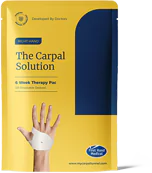
 Created by renowned Harvard health care professionals.


Occupational Therapy for Carpal Tunnel: A Master OT’s Guide to Hand Therapy That Heals
What occupational and hand therapy for carpal tunnel includes, what helps and what to skip, and why a Master OT makes the Carpal Solution the cornerstone of his patients’ care
Written by Alan Ward, MOT, OTR, Vice President and Master Occupational Therapist, Precision Rehabilitation, Blanding, Utah, and Jeff Conley, First Hand Medical · Last reviewed: November 2026
Occupational therapy for carpal tunnel, or occupational therapy carpal tunnel care, focuses on one goal: getting your hands working again for the things you need and love to do, from buttoning a shirt to running a cash register to playing with your grandkids. A good occupational therapist, or a certified hand therapist, can loosen tight tissue, get the median nerve and tendons gliding, teach you safer ways to use your hands, and help you avoid surgery altogether.
Alan Ward, MOT, OTR, is the Vice President and Master Occupational Therapist of Precision Rehabilitation in Blanding, Utah, and a licensed occupational therapist serving southeastern Utah through San Juan Hospital, Blue Mountain Hospital, San Juan County Home Health and outpatient clinics in Monticello, Montezuma Creek and Monument Valley through the Utah Navajo Health System. He has treated carpal tunnel patients in the region since 2005, specializes in therapy, splinting and bracing of the hands and forearms, and depends on the Carpal Solution as the cornerstone treatment in his clinics.
Table of Contents
Occupational Therapy for Carpal Tunnel: The Short Answer
- Occupational therapy helps. Hands-on therapy, nerve and tendon glides, stretching and activity coaching can bring carpal tunnel under control without surgery.
- The cornerstone is nighttime passive stretching. Mr. Ward’s first recommendation for most patients is to start with the Carpal Solution nighttime stretching program, with the goal of avoiding surgery altogether.
- Skip rigid splints and grip trainers. Immobilizing splints can contribute to muscle atrophy, and squeeze balls can make carpal tunnel worse while the nerve is still under pressure.
- Normal hand use plus restorative nights is what rebuilds strength once the pressure is off the median nerve.
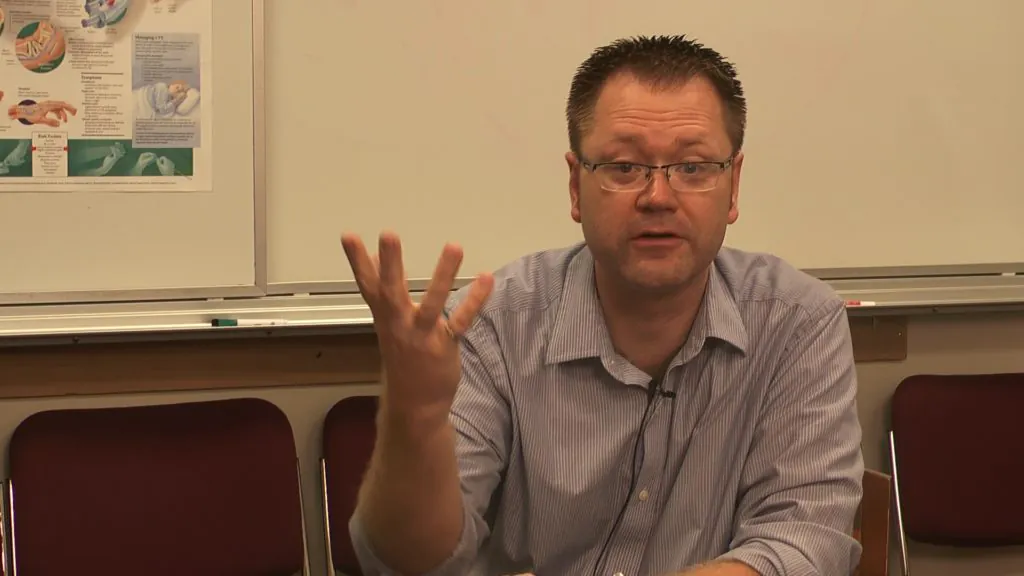
Occupational Therapy vs. Physical Therapy for Carpal Tunnel
Both occupational therapists (OTs) and physical therapists (PTs) treat carpal tunnel, and both can be excellent. Occupational therapy for carpal tunnel and physical therapy overlap a great deal. The difference is focus:
| Occupational therapy | Physical therapy | |
|---|---|---|
| Main focus | Using your hands for daily tasks, work and fine motor skills | Movement, strength and mobility of the whole body |
| Typical carpal tunnel care | Hand and forearm therapy, splint and brace expertise, nerve and tendon glides, activity and workstation changes | Manual therapy, stretching, modalities such as ultrasound and electrical stimulation, neck and shoulder work |
| Hand specialist credential | Certified Hand Therapist (CHT), which either an OT or a PT can earn | |
When choosing occupational therapy for carpal tunnel, look for an occupational or physical therapist with real hand and forearm experience, ideally a certified hand therapist. Read more about the PT side in Physical Therapy for Carpal Tunnel.
What Occupational Therapy Carpal Tunnel Treatment Includes
A good occupational therapy carpal tunnel program usually combines several of these:
- Hand and forearm soft-tissue work to loosen tight muscles and fascia around the wrist.
- Nerve and tendon glides to help the median nerve and the nine finger tendons slide freely through the tunnel. See our nerve glide guide.
- Stretching of the wrist, fingers and thumb, done gently and never into tingling.
- Activity analysis: finding the tasks at work and home that load the tunnel, and changing how you do them.
- Workstation and tool changes: keyboard height, mouse position, tool handles and grip techniques.
- Fine motor retraining for buttons, coins, writing and other precise tasks once sensation returns.
- A home program you can keep doing between visits, with nighttime passive stretching at its center.
What the Research Shows
| Study | What it found |
|---|---|
| Fernández-de-las-Peñas et al., The Journal of Pain, 2015 (120 women) | Hands-on manual therapy matched surgery for pain and function at 6 and 12 months, with faster improvement at 1 and 3 months. |
| Cochrane review of exercise and mobilization, 2022 | Limited, very low quality evidence of benefit for exercise and mobilization treatments on their own. |
| Cochrane review of splinting, 2023 | Splinting may give some short-term relief, but the evidence is low certainty and longer-term benefit is unclear. |
| AAOS guideline review, 2025 | Routine therapy after carpal tunnel surgery has not been shown to help most patients. |
The honest picture: hands-on therapy has some of the best support among non-surgical treatments, while exercises and splints on their own have weaker evidence. That matches what occupational therapists see in the clinic every day. Occupational therapy for carpal tunnel works best when it is combined with a treatment that keeps working on the tight tissue between visits, especially at night.
Why a Master OT Makes the Carpal Solution the Cornerstone
Occupational therapists who provide occupational therapy for carpal tunnel see patients every day. Some come in before surgery, hoping to heal naturally. Many more come in after surgery, trying to get back grip strength, range of motion and relief from lingering symptoms, and that rehabilitation can be a long, frustrating process for both the patient and the therapist.
That experience shaped Mr. Ward’s approach. He has found that passive stretching at night during sleep, the Carpal Solution therapy, is the cornerstone treatment he depends on in his clinics. His first recommendation for most patients is to begin with the Carpal Solution nighttime stretching program, with the intent to avoid carpal tunnel surgery altogether. Read his occupational therapist recommendations for carpal tunnel.
The reason is simple. Carpal tunnel syndrome is an entrapment syndrome: inflammation and swelling get trapped in the narrow carpal tunnel, squeezing the median nerve along with the blood vessels and lymph channels that should drain the area. As Mr. Ward has written, the key is to “first take the pressure off the median nerve” and let the tissue rest and restore itself during sleep with normal blood circulation. The Carpal Solution’s soft straps apply gentle, constant tension to three areas around the carpal tunnel for 6 to 8 hours a night, restoring flexibility to the tissue, helping trapped inflammation disperse and relieving pressure on the nerve.

It takes about a minute to put on at bedtime, it is rated 4.9 out of 5 stars on Google Reviews and Birdeye, and First Hand Medical reports that most users feel relief of their worst symptoms in about 3 weeks and reach complete remission in about 6 weeks. For anyone in occupational therapy for carpal tunnel, that means every night becomes a therapy session the patient never has to remember.
What OTs Have Learned About Rigid Splints
One of the first things patients are often told after a carpal tunnel diagnosis is to buy and wear an immobilizing wrist splint or rigid “cock-up” brace. As a specialist in splinting and bracing, Mr. Ward has seen both sides. These devices can ease discomfort at first because they stop movements that aggravate pain. But in the long run, rigid supports can contribute to muscle atrophy and irritate soft tissue on the hand and forearm, which can make carpal tunnel symptoms worse and complicate recovery.

That is why good occupational therapy carpal tunnel programs, and our doctors, recommend staying away from rigid hand braces and wrist splints except for short periods of heavy lifting. A splint only holds the wrist still; the Carpal Solution actively and gently stretches the tissue while you sleep. Compare the options in our night splint guide.
Why Squeeze Balls and Grip Trainers Can Make It Worse
When carpal tunnel causes muscle loss and a weak grip, it seems intuitive to exercise the hand hard with a squeeze ball, stress ball or spring-loaded grip trainer several times a day. Mr. Ward’s answer is clear: until the pressure is relieved on the median nerve, “no amount of exercise is going to help,” and overdoing hand exercises with a squeeze ball is likely to make carpal tunnel worse.
Weak grip is a nerve problem first, and good occupational therapy for carpal tunnel treats it that way. The pinched median nerve scrambles both the sensory and motor signals your hand needs for fine skills, which is why people feel clumsy, weak and drop things. Normal use of the hand, wrist and forearm is actually good for the hand when it is combined with restorative rest at night and no pressure on the nerve. Once the pressure is off, grip strength returns with everyday use. Read Mr. Ward’s full answer in Muscle Atrophy and Loss of Grip Strength.
Occupational Therapy Tips for Work and Daily Life
Occupational therapy for carpal tunnel is about the tasks that fill your day. These are the changes OTs most often recommend for carpal tunnel:
- Keep wrists straight. Keyboard at elbow height, mouse close to the body, and a light touch on keys and tools.
- Use bigger handles. Foam grips on pens, utensils and tools let you hold with less force.
- Break up repetition. Take a 1 to 2 minute break every 30 to 60 minutes and switch hands or tasks when you can.
- Let bigger joints do the work. Carry bags on the forearm or shoulder instead of pinching them in the fingers.
- Warm cold hands before work; cold, stiff hands grip harder.
- Sleep with straight wrists and rest your forearm on a pillow rather than tucking hands under it.
Use our ergonomic checklist for your workstation, and see carpal tunnel prevention exercises for daytime moves.
Occupational Therapy After Carpal Tunnel Surgery
Many people start occupational therapy for carpal tunnel for the first time after surgery, when stiffness, weakness, scar tenderness or lingering numbness slow their recovery. Routine therapy after surgery has not been shown to help most patients, but people with these problems often benefit from targeted hand therapy. Carpal tunnel can also return after surgery, which is one more reason occupational therapy carpal tunnel specialists prefer to help patients heal naturally first.
If you have had carpal tunnel surgery, wait 3 months after the operation before starting passive stretching so the surgically disturbed tissue can heal first. Then the Carpal Solution can be used to treat lingering or returning symptoms. Learn more in Is Carpal Tunnel Surgery Necessary?
A Day-and-Night Occupational Therapy Carpal Tunnel Plan
- Nights, the cornerstone: the Carpal Solution with one device every night for two weeks, then every other night for four weeks. For persistent symptoms, continue for a total of 10 to 12 weeks, then taper.
- Days at home: nerve and tendon glides and gentle finger and wrist stretches, up to 6 sets of 10 reps per day with 15-second holds and 30 seconds of rest, plus deep diaphragm breathing.
- Occupational therapy for carpal tunnel visits: hands-on soft-tissue work, activity and workstation coaching, and fine motor retraining as sensation returns.
- Speed it up: cold water plunges, self-massage, hydration and the other techniques in our doctors’ recommendations for persistent carpal tunnel symptoms.
- Skip: rigid splints, squeeze balls, putty and grip trainers while you heal.
- Stay in remission: occasional preventive Carpal Solution nights, anywhere from once a week to once every six months depending on your hand use.
When Healing Needs a Doctor’s Help and Professional Medical Evaluation
- Constant numbness that does not improve or loss of feeling in the fingertips that does not improve in 4 to 8 weeks.
- Extreme loss of the muscle at the base of the thumb, with loss of grip strength that does not improve over 6 to 8 weeks.
- Worsening symptoms over 6 to 8 weeks while using the best conservative treatments
- Symptoms that begin suddenly after hand or wrist trauma, a fracture or severe sprain from a fall or auto accident.
- Odd Symptoms that are not consistent with the Carpal Tunnel Symptoms listed on this website, that might be indicative of other nerve issues. A nerve conductivity study can clear up the confusion with minimal costs and not too much pain and no risk.
These signs may mean more advanced nerve involvement or a different condition and deserve professional medical evaluation and in person consultation. Home treatment can be used alongside professional in-person medical care while you wait for the healthcare delivery system to fit you into their schedule. There is no reason to wait doing nothing. You can start proven natural conservative treatment with good patient reviews while you wait for your appointments. If your symptoms start improving over 6 to 8 weeks, then you know you are on the right track and surgery is not necessary.
The Bottom Line
Occupational therapy for carpal tunnel helps people get their hands back for work and daily life, and it works best with the right cornerstone. In Mr. Ward’s clinics, that cornerstone is the Carpal Solution nighttime stretching program, supported by hands-on therapy, nerve and tendon glides, smart changes at work and home, and plenty of normal hand use. In any occupational therapy carpal tunnel plan, skip the rigid splints and squeeze balls, take the pressure off the median nerve, and let your body’s natural healing do the rest. Learn more in Carpal Tunnel Treatment Without Surgery.
Occupational Therapy for Carpal Tunnel: FAQ
Can occupational therapy help carpal tunnel?
Yes. Occupational therapy carpal tunnel care, including hands-on therapy, nerve and tendon glides, stretching and activity changes, can bring carpal tunnel under control without surgery, especially when paired with nightly passive stretching.
Is occupational therapy or physical therapy better for carpal tunnel?
Both can help. Occupational therapists focus on hand function and daily tasks; physical therapists focus on movement and strength. Look for either one with hand experience, ideally a certified hand therapist (CHT).
What does an occupational therapist do for carpal tunnel?
Soft-tissue work on the hand and forearm, nerve and tendon glides, stretching, activity and workstation changes, fine motor retraining and a home program. Mr. Ward makes the Carpal Solution nighttime stretching program the cornerstone of that home program.
Should I wear a wrist splint for carpal tunnel?
Rigid splints may ease discomfort at first, but over time they can contribute to muscle atrophy and irritate soft tissue. Our doctors recommend using one only for short periods of heavy lifting.
Do squeeze balls help carpal tunnel?
No. Experts in occupational therapy for carpal tunnel agree that until pressure on the median nerve is relieved, grip exercises do not rebuild strength, and overdoing them can make carpal tunnel worse. Grip returns with normal hand use once the pressure is off.
How many occupational therapy sessions does carpal tunnel need?
It varies with severity. Many occupational therapy carpal tunnel programs run once or twice a week for several weeks. With the Carpal Solution working every night, many people need fewer visits.
Sources
- Fernández-de-las-Peñas C, et al. Manual physical therapy versus surgery for carpal tunnel syndrome: a randomized parallel-group trial. The Journal of Pain. 2015. Summary
- Exercise and mobilisation interventions for carpal tunnel syndrome. Cochrane Database of Systematic Reviews. 2022. Cochrane
- Karjalainen TV, et al. Splinting for carpal tunnel syndrome. Cochrane Database of Systematic Reviews. 2023. Cochrane Library
- Sadler KP, et al. Management of carpal tunnel syndrome: guidelines from the AAOS. American Family Physician. 2025;112(3):337–339. AAFP
Disclosure: First Hand Medical makes the Carpal Solution. Mr. Ward uses the Carpal Solution with his occupational therapy patients and is featured on this website as a medical expert. This article is for education and is not a substitute for advice from your own doctor or therapist.