 Created by renowned Harvard health care professionals.


Vitamin B6 and Supplements for Carpal Tunnel: What the Evidence Says
Is vitamin B6 the answer for carpal tunnel? The research says not on its own, and high doses can harm nerves. Here is what the evidence shows, which natural anti-inflammatory supplements our doctors recommend in their Persistent Symptoms Protocol, and how to use them safely alongside nightly treatment.

Written by Jeff Conley, First Hand Medical · Medically reviewed by Clyde E. Morgan, DC, co-founder of First Hand Medical · Last reviewed: November 2026
Vitamin B6 is the most-searched supplement for carpal tunnel, and for decades the vitamin B6 carpal tunnel connection was a popular recommendation. The research since then has been disappointing: taken on its own, vitamin B6 has not been shown to relieve carpal tunnel symptoms, and very high doses can actually damage nerves.
That does not mean supplements have no role. Our doctors use a targeted set of natural anti-inflammatory supplements, along with diet changes and nightly treatment, in their Persistent Symptoms Protocol for people whose carpal tunnel is slow to clear. This guide explains what the evidence says about vitamin B6 for carpal tunnel, which supplements make sense and why, and how to use them safely.
Table of Contents
Vitamin B6 Carpal Tunnel Facts: The Short Answer
- Vitamin B6 alone is not a carpal tunnel treatment. Controlled trials have not shown a clear benefit.
- More is not better. Long-term high doses of vitamin B6 can cause nerve damage, the very numbness and tingling you are trying to fix.
- Most vitamins for carpal tunnel are not needed. A B-complex multivitamin makes sense only if you may be low, as our doctors’ protocol advises.
- The supplements worth considering target whole-body inflammation: omega-3 fish oil, turmeric with black pepper, ginger and boswellia, plus electrolytes and an anti-inflammatory diet.
- Supplements support treatment; they don’t replace it. Nightly passive stretching works on the trapped inflammation inside the carpal tunnel.
Vitamin B6 Carpal Tunnel Research: What the Studies Show
The vitamin B6 carpal tunnel idea came from small studies in the 1970s and 1980s suggesting that people with carpal tunnel might be low in B6. Better-designed trials since then have not supported it.
- A Cochrane review of non-surgical treatments found that, in two trials with 50 people, vitamin B6 did not significantly improve overall carpal tunnel symptoms (Cochrane, 2003).
- A later systematic review of conservative treatment concluded there is moderate evidence that vitamin B6 is ineffective for carpal tunnel syndrome (Clinical Rehabilitation, 2007).
- Combination products are being studied. In a 2025 double-blind trial of 70 people with mild to moderate carpal tunnel, a supplement combining alpha-lipoic acid with B vitamins (including a small 8 mg dose of B6) gave modest pain relief over 6 months, but did not significantly improve symptom scores, hand function or nerve test results compared with placebo. The trial was funded by the product’s maker (BMC Neurology, 2025).
So the honest answer to “does vitamin B6 help carpal tunnel?” is: not on its own. If a blood test or your diet suggests you are low in B vitamins, correcting that is reasonable for your overall nerve health. But a bottle of B6 is not a substitute for treating the pressure in the tunnel, and vitamin B6 carpal tunnel claims on supplement labels go well beyond the evidence.
Too Much Vitamin B6 Can Harm Nerves
This is the most important vitamin B6 carpal tunnel safety point. The U.S. National Institutes of Health sets the safe upper limit for adults at 100 mg a day from food and supplements combined. Long-term high doses, in the range of 1 to 6 grams a day for months, can cause a severe sensory neuropathy, with numbness and poor coordination, which usually improves once the supplement is stopped (NIH Office of Dietary Supplements).
Many “nerve support” products contain 50 to 100 mg of B6 or more, and B6 is often added to energy drinks and multivitamins too. Add up every source before you take extra, and talk with your doctor before going above the recommended daily amount. That is why our doctors’ protocol recommends a B-complex multivitamin only if you may be deficient.
Why Supplements for Carpal Tunnel Should Target Inflammation

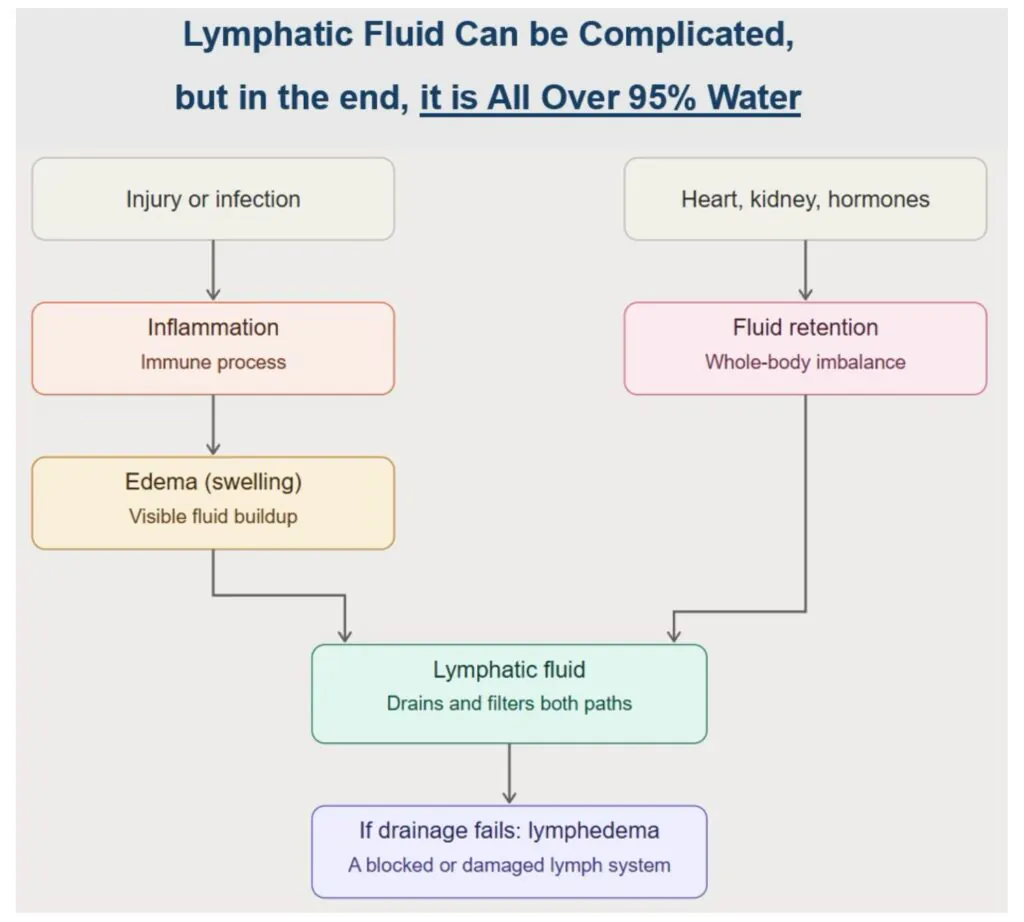
Carpal tunnel syndrome is an entrapment syndrome. Inflammation and swelling build up inside the narrow tunnel at the wrist and squeeze the median nerve, along with the small blood vessels and lymph channels that pass through it. When blood flow and lymph drainage slow, fluid stays trapped and pressure climbs. Read the root cause of carpal tunnel: trapped inflammation.
Some people carry higher levels of whole-body (systemic) inflammation from diet, weight, blood sugar, thyroid problems, autoimmune conditions or stress. Our doctors find these patients have the hardest time getting ahead of the inflammation curve and clearing trapped inflammation from the carpal tunnel space, which is why their symptoms persist. Read how systemic inflammation fuels CTS and Carpal Tunnel Inflammation: The Key to Managing Carpal Tunnel for Life.
That is the logic behind the right supplements for carpal tunnel: not a single vitamin aimed at the nerve, but natural anti-inflammatory support that lowers the body’s overall inflammatory load, so local treatment can do its job.
7 Supplements for Carpal Tunnel, Rated
| Supplement | Evidence | Role |
|---|---|---|
| Vitamin B6 alone | Not effective in controlled trials | Only to correct a deficiency |
| B-complex multivitamin | General nerve health | Only if you may be deficient |
| Omega-3 fish oil | Lowers inflammation markers (meta-analysis) | Core anti-inflammatory support |
| Turmeric with black pepper | Anti-inflammatory; not tested in carpal tunnel | Anti-inflammatory support |
| Ginger and boswellia | Anti-inflammatory; not tested in carpal tunnel | Anti-inflammatory support |
| Potassium and magnesium citrate | Not tested in carpal tunnel | Electrolyte and fluid balance |
| Alpha-lipoic acid with B vitamins | Modest pain relief in one industry-funded trial | Optional; ask your doctor |
1. Vitamin B6 Alone
As covered above, vitamin B6 carpal tunnel trials have not shown a clear benefit, and high doses can harm nerves. Keep total intake within the daily limit unless your doctor advises otherwise.
2. B-Complex Multivitamin, Only if You May Be Deficient
B vitamins support normal nerve function. People who eat a limited diet, drink heavily, take metformin or acid-reducing medicines, or are older may run low on B12 and other B vitamins. Our doctors’ protocol recommends a multivitamin with B-complex only in that case. Your doctor can check levels with a simple blood test.
3. Omega-3 Fish Oil
Of all the natural anti-inflammatory supplements, omega-3 has the strongest general evidence. An umbrella meta-analysis found omega-3 supplementation lowered the inflammation markers CRP, TNF-alpha and IL-6 in adults, and the authors recommend it as an add-on anti-inflammatory (International Immunopharmacology, 2022). It has not been tested specifically in carpal tunnel. Our doctors’ protocol uses 3,000 to 4,000 mg a day; check with your doctor first if you take blood thinners.
4. Turmeric With Black Pepper
Turmeric’s active compound, curcumin, is a well-known natural anti-inflammatory. It is poorly absorbed on its own, which is why the protocol pairs it with black pepper extract. There are no strong trials of oral turmeric for carpal tunnel. The protocol takes it twice daily with a meal, as capsules or tea.
5. Ginger and Boswellia
Ginger root and boswellia (Indian frankincense) are traditional anti-inflammatory herbs, also taken twice daily with meals in the protocol, as capsules or tea. Like turmeric, they have not been tested specifically in carpal tunnel. Turmeric, ginger and fish oil can each increase bleeding risk, so talk with your doctor if you take blood thinners or are scheduled for a procedure.
6. Potassium and Magnesium Citrate
The protocol includes potassium citrate with magnesium citrate, taken with plenty of water, to support fluid and electrolyte balance as you cut back on sugar and processed carbohydrates. People with kidney disease, or who take blood pressure medicines that raise potassium, should not take potassium supplements without their doctor’s approval.
7. Alpha-Lipoic Acid With B Vitamins
This antioxidant combination showed modest pain relief but no significant change in symptom scores, function or nerve tests in a 2025 placebo-controlled trial. It is optional; discuss it with your doctor, especially if you have diabetes, since alpha-lipoic acid can lower blood sugar.
How Supplements Fit Our Doctors’ Persistent Symptoms Protocol
Our doctors developed the Doctor’s Recommendations for Persistent Carpal Tunnel Symptoms for people whose symptoms are slow to clear. Supplements are only one part of it. The full protocol, which you can download from that page, combines:
- Nightly passive stretching. The Carpal Solution every night for 6 weeks, then, for persistent symptoms, 4 to 6 more weeks for a total of 10 to 12 weeks. Once you are 70 to 80% better, taper to every other night for 2 weeks, once a week for 2 months, every 2 weeks for 3 months, then monthly.
- Topical comfort. The Botanical Pain Reliever compress kit on alternate nights.
- Hot and cold. Alternating warm water with Epsom salts and ice water, or a cold soak at least an hour before bed. See ice or heat for carpal tunnel.
- Daytime stretching and self-massage. Gentle finger and thumb stretches within comfort, and rolling a small ball over the palm and forearm. See the best exercises for carpal tunnel and carpal tunnel massage.
- An anti-inflammatory diet and the supplements above.
- Checking for underlying causes with your doctor, such as thyroid problems, diabetes, pregnancy or menopause, autoimmune conditions, kidney problems or gout.
- Lowering stress, which can worsen nerve symptoms.
Soft tissue takes at least 6 weeks to heal, and sometimes up to 10 weeks. Some people feel worse for a week or two as tight tissue starts to change before they feel better. Supplements and vitamins for carpal tunnel help lower the inflammatory load; the nightly treatment is what works directly on the carpal tunnel.

If you have had carpal tunnel surgery, wait 3 months before starting passive stretching, so the surgical tissue can heal first.
Food First: The Anti-Inflammatory Diet Behind the Protocol
Supplements work best on top of a diet that lowers inflammation. The protocol’s diet guidance is simple:
- Cut sugar and processed carbohydrates. The transition can take 3 to 6 weeks; sugar-free dark chocolate and monk fruit or stevia can help with cravings.
- Eat dark leafy greens and dark berries every day.
- Add collagen or bone broth from a reliable source, about a cup a day.
- Use MCT oil, a teaspoon in the morning and one at lunch, for 4 to 8 weeks.
- Drink plenty of water, especially after self-massage.
Weight, blood sugar and inflammation are closely linked, and being overweight is one of the strongest known risk factors for carpal tunnel. Learn more in Decoding Inflammation, Swelling and Lymph Fluid and The Carpal Solution Diet.
Supplement Safety Checklist
- Tell your doctor and pharmacist about every supplement you take.
- Blood thinners: fish oil, turmeric and ginger can increase bleeding risk.
- Kidney disease or potassium-raising medicines: avoid potassium supplements unless your doctor approves.
- Diabetes: alpha-lipoic acid can lower blood sugar.
- Pregnancy and breastfeeding: check with your obstetrician before any supplement.
- Vitamin B6: before trying any vitamin B6 carpal tunnel product, keep total daily intake within the safe limit unless your doctor advises otherwise.
- Quality: choose products with third-party testing.
For more natural options rated by evidence, read Natural Remedies for Carpal Tunnel and Mild Carpal Tunnel Treatment: What to Do First.
When Healing Needs a Doctor’s Help and Professional Medical Evaluation
- Constant numbness that does not improve or loss of feeling in the fingertips that does not improve in 4 to 8 weeks.
- Extreme loss of the muscle at the base of the thumb, with loss of grip strength that does not improve over 6 to 8 weeks.
- Worsening symptoms over 6 to 8 weeks while using the best conservative treatments
- Symptoms that begin suddenly after hand or wrist trauma, a fracture or severe sprain from a fall or auto accident.
- Odd Symptoms that are not consistent with the Carpal Tunnel Symptoms listed on this website, that might be indicative of other nerve issues. A nerve conductivity study can clear up the confusion with minimal costs and not too much pain and no risk.
These signs may mean more advanced nerve involvement or a different condition and deserve professional medical evaluation and in person consultation. Home treatment can be used alongside professional in-person medical care while you wait for the healthcare delivery system to fit you into their schedule. There is no reason to wait doing nothing. You can start proven natural conservative treatment with good patient reviews while you wait for your appointments. If your symptoms start improving over 6 to 8 weeks, then you know you are on the right track and surgery is not necessary.
Vitamin B6 Carpal Tunnel FAQ
Does vitamin B6 help carpal tunnel?
Not on its own. Controlled trials and systematic reviews have not shown that vitamin B6 relieves carpal tunnel symptoms. Correcting a true deficiency is reasonable, but B6 is not a treatment for the pressure in the tunnel.
How much vitamin B6 is safe?
The NIH sets the adult upper limit at 100 mg a day from food and supplements combined. Long-term high doses can cause nerve damage, so talk with your doctor before taking more.
What are the best supplements for carpal tunnel?
Our doctors focus on natural anti-inflammatory support: omega-3 fish oil, turmeric with black pepper, ginger and boswellia, plus electrolytes and a B-complex multivitamin only if you may be deficient. They support treatment rather than replace it.
Can vitamins cure carpal tunnel?
No. Carpal tunnel is a chronic, recurring condition driven by trapped inflammation. Vitamins and supplements can help lower whole-body inflammation, but nightly passive stretching is what works on the carpal tunnel itself.
Why do my carpal tunnel symptoms keep coming back?
Many people with persistent symptoms carry high levels of systemic inflammation. Our doctors’ Persistent Symptoms Protocol combines a longer course of nightly treatment with diet changes, supplements and a check for underlying conditions.
Should I take supplements with the Carpal Solution?
You can. In our doctors’ protocol, anti-inflammatory supplements and diet changes run alongside nightly passive stretching. Check with your doctor first if you take other medicines.
Sources
- O’Connor D, Marshall S, Massy-Westropp N. Non-surgical treatment (other than steroid injection) for carpal tunnel syndrome. Cochrane Database of Systematic Reviews. 2003. Cochrane
- Piazzini DB, et al. A systematic review of conservative treatment of carpal tunnel syndrome. Clinical Rehabilitation. 2007;21(4):299–314. PubMed
- Zainal NA, et al. Efficacy and tolerability of oral alpha lipoic acid and vitamin B complex in carpal tunnel syndrome: a randomized, double-blind, placebo-controlled trial. BMC Neurology. 2025. PMC
- National Institutes of Health, Office of Dietary Supplements. Vitamin B6: Fact Sheet for Health Professionals. NIH ODS
- Efficacy of omega-3 fatty acids supplementation on inflammatory biomarkers: an umbrella meta-analysis. International Immunopharmacology. 2022;111. PubMed
Disclosure: First Hand Medical makes the Carpal Solution and the Botanical Pain Reliever, and Dr. Morgan is a co-founder of the company. First Hand Medical does not sell the supplements discussed here. This article is for education and is not a substitute for advice from your own doctor.