 Created by renowned Harvard health care professionals.


Risks and Complications of Carpal Tunnel Surgery
Surgery is routine for Surgeons and they become accustom to the risks and tend to minimize the risks of surgery when they talk to patients. However, there are well documented risks of any surgical procedure.


Written by Julie Sunberg, Director of Marketing and Customer Service at First Hand Medical · Medically reviewed by Benjamin E. Bierbaum, MD, orthopedic surgeon and hand specialist, clinical professor of orthopedic surgery at Harvard Medical School · Last reviewed: November 2026
Table of Contents

 Carpal Tunnel Surgery Complications and Risks
Surgery is routine for surgeons, and they become accustomed to the risks and tend to minimize the risks of surgery when they talk to patients. It is only natural, it is human nature to minimize the risks a person deals with on a daily basis. Airline pilots do it, big mountain skiers do it, and so do hand surgeons.
However, there are well documented risks of any surgical procedure. They fall into two groups: general risks of any surgery and specific carpal tunnel surgery complications.
Patients considering this surgery should go into the procedure with their eyes wide open to the potential risks.
General Risks of Any Surgery
Wondering whether it is time for an operation? Read when to get carpal tunnel surgery and why our doctors recommend trying the Carpal Solution first.
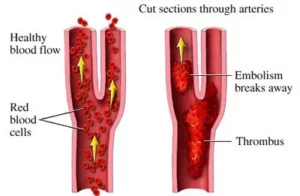 Every operation carries some general risks. The good news is that carpal tunnel release is usually done as an outpatient procedure under local anesthesia, so serious general complications are uncommon. They include:
- Reactions to anesthesia or medications, which are rare with local anesthesia but possible.
- Infection. In a study of 3,003 carpal tunnel releases, about 0.4% of patients developed a surgical site infection, and deep infections were rarer still (Harness et al., Journal of Hand Surgery, 2010). See our guide to carpal tunnel infection signs.
- Bleeding and blood clots, which are uncommon after hand surgery but more of a concern for people who take blood thinners.
If you take a blood thinner, never stop it on your own. Talk with both your surgeon and the doctor who prescribes it about whether elective surgery is wise for you and how your medication would be managed.
Specific Carpal Tunnel Surgery Complications
During carpal tunnel surgery, the transverse carpal ligament, a thick band across the base of the palm, is cut to relieve pressure on the median nerve. Possible carpal tunnel surgery complications include:
- Lingering or recurring symptoms. About 31% of patients report lingering or recurring symptoms, which is why patient satisfaction is lower than 69% (Bland, Muscle & Nerve, 2001). In a review of 209 studies, about 8% of patients said they were worse after surgery (Bland, Muscle & Nerve, 2007).
- Weak grip and pinch. According to the American Academy of Orthopaedic Surgeons, strength usually returns within 2 to 3 months, but it can take 6 to 12 months if the nerve was badly compressed, and some people never fully regain it.
- Scar tenderness and pillar pain. Aching on either side of the scar at the base of the palm is common and usually fades over months, but for some people it lingers.
- Stiffness and loss of motion in the wrist and thumb, and in some people, reduced dexterity and fine motor control.
- Scar tissue that can press on the nerve again and, in some cases, make symptoms worse than before.
- Nerve, tendon or blood vessel injury. Damage to the median nerve or its branches during surgery is rare but can be permanent.
- Painful neuroma. Injury to a small skin branch of the median nerve (the palmar cutaneous branch) or of the radial sensory nerve can form a painful neuroma that sends electric or burning pain when the area is touched.
- Long rehabilitation. Some patients need hand therapy for weeks or months to regain full function.
- Repeat surgery. Because carpal tunnel syndrome is chronic and recurring, symptoms can return even after a successful operation. Second surgeries are harder because of scar tissue, and they have a patient satisfaction rate between 16% and 40%. See our summary of recurrence after surgery.
Who Faces Higher Risks of Carpal Tunnel Release?
The risks of carpal tunnel release are not the same for everyone. Talk with your surgeon in detail if you:
- Have diabetes, a weakened immune system or obesity, which raise the risk of infection and slow healing
- Smoke, which slows wound healing
- Take blood thinners or corticosteroids
- Have very severe or long-standing carpal tunnel syndrome, where the nerve may not fully recover even after a successful operation
- Have had carpal tunnel surgery on the same hand before, since repeat surgery is harder because of scar tissue
Questions to Ask About Carpal Tunnel Surgery Complications
- How many carpal tunnel releases do you perform each year, and what is your own complication rate?
- Which carpal tunnel surgery complications do your patients see most often?
- What are the chances I will still have symptoms afterward, given how severe my case is?
- How long until I can work, drive and grip normally?
- What happens if symptoms come back?
When Surgery May Be the Right Choice
Being honest about carpal tunnel surgery complications does not mean surgery is never needed. See a doctor promptly if you have constant numbness, weakness when pinching or gripping, or thinning of the muscle at the base of the thumb, or if your symptoms keep getting worse over 6 to 8 weeks despite the best conservative treatment. These signs can mean more advanced nerve involvement, and surgery may be the right next step. For most people with mild to moderate symptoms, though, a safe conservative treatment comes first.

 Medical Text books suggest that you should not undergo any more than two Carpal Tunnel Surgeries in a lifetime. This is another reason to put off a surgical solution for as long as you can.
Carpal Tunnel Surgery gets a patient satisfaction rate lower than 69% based on patient surveys and CTS symptoms come back within about five and a half years after surgery for up to 57% of people. Surgeons rarely follow patients long enough to know how often this happens; most studies stop at two years, and the longest published follow-up found that 57% of patients had at least some symptoms return within five and a half years, usually about two years after surgery (Nancollas et al., 1995).
Many patients ask: “Why would I take that risk for a condition that comes back even after Surgery?” Good question. Why would anybody take that risk if there are other clinically documented alternatives to Carpal Tunnel Surgery?
People with conditions like Arthritis find that the potential for excessive scar tissue formation is high. This makes the potential for complications much higher for the Carpal Tunnel Surgical procedure for people with Arthritis. CTS can get worse after surgery due to the formation of scar tissue.
Also, there are over 27 different contributing factors or causes for CTS. For people with autoimmune disorders, such as a thyroid condition or any other physiological condition that contributes to CTS, the time frame for the return of Carpal Tunnel Symptoms is reduced dramatically post-surgery. Carpal Tunnel Symptoms come back much more quickly after surgery under these conditions, making surgery a much more questionable option for treatment of Carpal Tunnel.
You can learn more about conditions that contribute to the rapid return of CTS: Carpal Tunnel Causes
 One person after being relieved from their Carpal Tunnel prison said,
“I feel like an enormous weight has been lifted from my life. I feel empowered and able to do the things I need and love to do without limitations. It is such an exhilarating feeling to be free of the nagging symptoms of Carpal Tunnel without the costs, downtime and risks of surgery.
I have so many friends and colleagues who have tried surgery or steroid injections with bad results, I was afraid to go that direction. Now with the Carpal Solution I can do whatever I want to do with confidence knowing that if my symptoms return, I can quickly bring them under control without any hassles or worries. It is a great feeling to have an all natural solution to CTS.“
When there are clinically documented treatments that do not carry any of these risks, there is no reason to consider Carpal Tunnel Surgery until you have exhausted the safe and non-invasive treatments that are clinically documented. The Carpal Solution is clinically documented, safe and convenient, and it earns 97% patient satisfaction over 21 years and 4.9 out of 5 stars on independent review sites like Google Reviews. Neurologists, including Dr. James S. Zu, MD, PhD, of Edison, New Jersey, call it a better first line of defense for Carpal Tunnel Syndrome.
The good news is that there is an alternative medical treatment for Carpal Tunnel Syndrome that was developed by doctors is clinically documented to work for a high percentage of patients, is FDA registered and has been used by over 100,000 people.

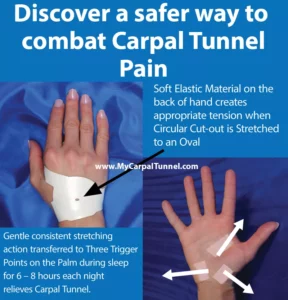 The Carpal Solution is a Better First Line of Defense for CTS. What people love about the Carpal Solution is that it is so simple and convenient. It allows them to control their Carpal Tunnel Symptoms conveniently and cost effectively relying on their body’s natural healing process, in the comfort of their own home. The Carpal Solution gently stretches simultaneously at three key points on the palm surrounding the carpal tunnel during sleep. Consistent gentle pulling action applied for 6 to 8 hours while the hand is relaxed, gently stretches and reshapes the soft fascia tissue around the carpal tunnel relieving pressure on the Median Nerve.
There is an old adage that gentle pressure consistently applied is the key to solving most problems in life. This describes the power behind Carpal Solution Therapy. In our doctors’ two decades of experience, about 90% of people get complete remission in six weeks, naturally and non-invasively – without the risky outcomes and long rehabs associated with surgery, the complications of oral pain medication or the downside of steroid injections or the muscle atrophy caused by immobilizing the hand in conventional rigid braces and restrictive splints. A splint holds the wrist in a neutral position, which can reduce pain from movement, but it does not promote healing from carpal tunnel syndrome. It causes muscle atrophy and stiffness, and its tight compression restricts blood circulation and lymphatic fluid exchange, which slows the dispersion of entrapped swelling, the root cause of carpal tunnel syndrome. Our medical team has observed that splints give some relief at first but aggravate symptoms in the long run. Immobilization is great for fractures and sprains, but not for carpal tunnel syndrome.
Carpal Solution combines gentle soft tissue stretching and reshaping at night during sleep with active use during the day. This results in an ideal rhythmic therapy for rapid relief from Carpal Tunnel symptoms with no muscle atrophy or down time and no limitations from restrictive braces. The hand rehabilitates through normal use once pain is relieved and free movement is restored. It is well known among muscular skeletal specialists that muscle atrophy from rigid wrist braces and hand splints can severely complicate recovery from Carpal Tunnel Syndrome. To see which non-surgical options are worth trying, read our surgery alternatives, ranked by the evidence.
The Carpal Solution has been shown to enhance blood circulation to the hand. Dr. Morgan suggests that increased nutrient and oxygen rich blood circulation reinvigorates the hand naturally and helps contribute to rapid recovery through metabolic processes at the cellular level.
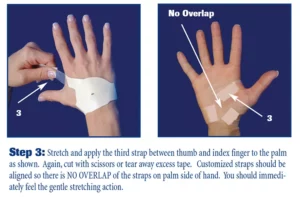
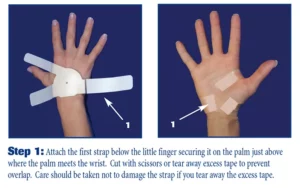
The Carpal Solution alternative to surgery is Self-Applied Before Retiring to Bed in Three Easy Steps

Frequently Asked Questions About Carpal Tunnel Surgery Complications
What is the most common complication of carpal tunnel surgery?
Lingering or recurring symptoms. About 31% of patients report symptoms that linger or return, and pillar pain and scar tenderness are also common in the first months.
Are carpal tunnel surgery risks serious?
Most carpal tunnel surgery risks are minor and temporary, and serious general complications are uncommon. But lingering symptoms, weakness, pillar pain and, rarely, nerve injury can affect daily life, which is why surgery should be the last resort.
How can I lower my risk of complications?
Choose an experienced hand surgeon, control conditions like diabetes, stop smoking, follow wound-care instructions closely and keep every follow-up visit. Best of all, try a safe conservative treatment first.
Can I use the Carpal Solution after surgery?
Yes. Wait 3 months after surgery so the surgically disturbed tissue can heal, then the Carpal Solution’s gentle nighttime stretching can help with lingering symptoms.
How long should I try conservative treatment before considering surgery?
Give a treatment like the Carpal Solution a fair test of 6 to 8 weeks. If your symptoms are improving, you know you are on the right track and surgery is not necessary. Everyone waits in healthcare anyway: the average new-patient appointment wait is 31 days (AMN Healthcare, 2025).
Complications and relapse are more likely for some patients. Read Who Should Avoid Carpal Tunnel Surgery? Inflammatory Conditions and Other Red Flags.
When Healing Needs a Doctor’s Help and Professional Medical Evaluation
- Constant numbness that does not improve or loss of feeling in the fingertips that does not improve in 4 to 8 weeks.
- Extreme loss of the muscle at the base of the thumb, with loss of grip strength that does not improve over 6 to 8 weeks.
- Worsening symptoms over 6 to 8 weeks while using the best conservative treatments
- Symptoms that begin suddenly after hand or wrist trauma, a fracture or severe sprain from a fall or auto accident.
- Odd Symptoms that are not consistent with the Carpal Tunnel Symptoms listed on this website, that might be indicative of other nerve issues. A nerve conductivity study can clear up the confusion with minimal costs and not too much pain and no risk.
These signs may mean more advanced nerve involvement or a different condition and deserve professional medical evaluation and in person consultation. Home treatment can be used alongside professional in-person medical care while you wait for the healthcare delivery system to fit you into their schedule. There is no reason to wait doing nothing. You can start proven natural conservative treatment with good patient reviews while you wait for your appointments. If your symptoms start improving over 6 to 8 weeks, then you know you are on the right track and surgery is not necessary.