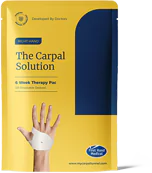
 Created by renowned Harvard health care professionals.


Dental Hygienist Carpal Tunnel: Aishah Stops Dropping Instruments Without Surgery
Aishah, a dental hygienist in Kuala Lumpur, shares her dental hygienist carpal tunnel story: hand pain, sleepless nights and dropping instruments five times in one day, then relief at home without surgery.

This carpal tunnel treatment testimonial comes from Aishah, a dental hygienist in Kuala Lumpur, Malaysia, who says dropping her instruments five times in one day was her moment of truth.
Table of Contents
 I suffered much with hand numbness, wrist pain and sleepless nights. As a dental hygienist I depend on my hands and wrists to function well. I also need a full night of sleep to be my best during the day. Carpal Tunnel was robbing me of my sleep and my ability to work fast and efficiently. Dropping my dental tools in front of a patient is embarrassing and also means they have to be sterilized all over again. It slows me down and takes me longer to get my work done.
One day I dropped my instruments 5 times in one day. That was my moment of truth. I knew I did not want to take the risks and downtime of surgery, but I was desperate and knew I had to take action before I lost my job. I looked online and found a treatment developed by Doctors that you can use at home to treat Carpal Tunnel. It claimed 97% patient satisfaction. So, I ordered the Carpal Solution Kit. It arrived within a week from the USA to my home address in Kuala Lumpur. I started sleeping through the night within three days.
The Carpal Solution is easy to use and comfortable to wear. It gives me confidence when I go to bed that I know I can sleep through the night without interruptions from my numb tingling hands. The intensity of the pain in my hands, thumb and wrist was gone within 10 days. It took the edge off. Within three weeks I did not drop any instruments at work. That was a big issue for me. I knew at that point I was going to be ok and the Carpal Solution Treatment was my answer for “curing” Carpal Tunnel Syndrome.
After completing the six week treatment time, my symptoms were completely gone. I was surprised, and delighted the symptoms did not come back. I am able to work all day with no hand pain, no dropping instruments and no numbness at night. I am able to do a good service for my patients.
The Carpal Solution is my blessing from Allah.
Thank You and Best Wishes!
Aishah
Dental Hygienist
Kuala Lumpur, Malaysia
What This Carpal Tunnel Treatment Testimonial Shows About Dental Work
Dental hygienists work with small instruments in tight spaces, so numbness or a weaker grip can be hard to hide. Aishah says she started sleeping through the night within three days, felt the intensity of the pain ease within ten days and stopped dropping instruments within three weeks. A carpal tunnel treatment testimonial is personal, so results vary and a doctor should guide your decisions. You can read about carpal tunnel symptoms and carpal tunnel treatment options.

If you are suffering with Carpal Tunnel Syndrome like Aishah in Malaysia or anywhere in the world we can ship the Carpal Solution to you through DHL worldwide delivery service. The Carpal Solution arrives within 4 to 6 business days anywhere in the world. You can treat yourself in the comfort of home with a Carpal Tunnel Treatment that was developed by Doctors working with Patients.
The Carpal Solution has been used by tens of thousands of people worldwide to avoid the risks, downtime and expense of Carpal Tunnel Surgery. It has 97% patient satisfaction. The Carpal Solution will likely work for you too. There is no need to suffer, worry and wait any longer. First Hand Medical offers a viable solution for treating Carpal Tunnel and putting it in remission for 2 to 7 years. There is no permanent fix for Carpal Tunnel Syndrome.
It comes back even after surgery for up to 57% of people. Surgeons rarely follow patients long enough to know how often this happens; most studies stop at two years, and the longest published follow-up found that 57% of patients had at least some symptoms return within five and a half years, usually about two years after surgery (Nancollas et al., 1995). Most people do not want to submit themselves to a surgical procedure for Carpal Tunnel if it is going to come back.
First time Carpal Tunnel Surgeries have a patient satisfaction rate lower than 69% (about 31% of patients report lingering or recurring symptoms after surgery, and no patient is satisfied with lingering symptoms). Second Carpal Tunnel Surgeries have a patient satisfaction rate between 16% and 40%. Most surgeons will not perform a third surgery for Carpal Tunnel due to the risks of scar tissue.

Order Your Six Week Carpal Tunnel Treatment Now
The ONLY treatment for carpal tunnel that comes with a no questions asked 30-Day Patient Satisfaction Guarantee and in-house dedicated pain relief team.
Dental Hygienist Carpal Tunnel: Why the Job Is So Hard on the Hands
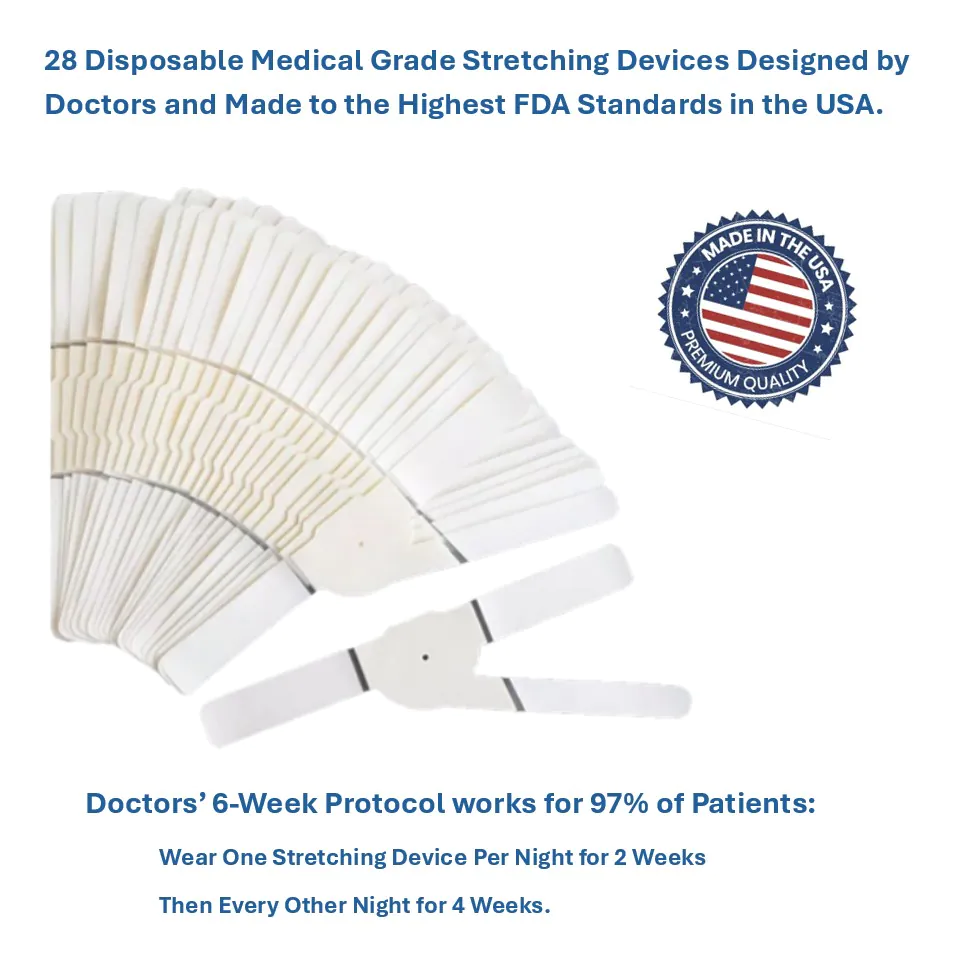
Dental hygienist carpal tunnel is a common story, and Aishah’s shows why. Scaling and polishing mean holding small instruments in a precise pinch grip, with the wrist often bent, for patient after patient. The muscles that power that grip sit in the forearm, and their nine tendons pass through the carpal tunnel beside the median nerve: four flexor digitorum superficialis, four flexor digitorum profundus and the flexor pollicis longus. When those tendons and the tissue around them swell, the nerve gets squeezed.
Carpal tunnel in dental hygienists usually shows up the way it did for Aishah: numb fingers, wrist pain, sleepless nights and instruments slipping from the hand. The median nerve also supplies the thenar muscles at the base of the thumb, which control the fine pinch dental work depends on.
Dental Hygienist Hand Pain and Wrist Pain
Dental hygienist hand pain often starts as an ache at the end of a long day and becomes numbness that wakes you at night. Dental hygienist wrist pain is common too, because the wrist is held bent while the fingers work. Both are signs that pressure is building in the carpal tunnel.
Dropping Instruments: Carpal Tunnel’s Warning Sign
Dropping instruments is one of the clearest carpal tunnel warning signs for anyone in dental work. As Aishah explains, every dropped instrument has to be sterilized again and slows the whole schedule. When dropping instruments becomes a pattern, it is time to treat the pressure on the nerve, not just push through.
Why the Carpal Solution Worked for Aishah
Start with pressure. Swelling and entrapped inflammation in the soft tissue in and around the carpal tunnel squeeze the median nerve and restrict blood flow and lymphatic fluid transport, so the nerve becomes irritated, short of oxygen and compressed. The Carpal Solution’s targeted passive stretching restores flexibility to the injured soft tissue, relieves pressure on the median nerve, frees circulation and lets lymph fluid flow to clear out the swelling. It is your body that does the healing; the Carpal Solution just jump-starts it.
Because it is worn during sleep, Aishah kept working through the six weeks. Most people are better from their worst symptoms in two to three weeks, and over 90% resolve in six weeks; about 10% need 8 to 12 weeks. Remission usually lasts five to seven years, and prevention nights from once a week to once every six months help keep symptoms away. The Carpal Solution has 97% patient satisfaction over 21 years and 4.9 out of 5 stars on independent review sites like Google Reviews.
A splint holds the wrist in a neutral position, which can reduce pain from movement, but it does not promote healing, and healthy adults lost about 8% of muscle size and 23% of strength after 14 days in a cast (Wall et al., Acta Physiologica, 2014). For a clinician who needs fine hand control, that loss matters.
Tips for Dental Hygienists With Carpal Tunnel

Between patients, relax your grip and shake out your hands. Alternate instruments and positions when you can, keep the wrist as straight as the procedure allows, and use larger-handled instruments if your practice has them. Skip grip exercises, squeeze balls and putty while you heal; daytime stretches are a bonus, up to six sets of ten, holding each 15 seconds with 30 seconds of rest. Compression gloves by day with the Carpal Solution at night is one of the best combinations we know.
Our doctors’ clinical experience is that people with three or more classic symptoms can be about 95% confident they have carpal tunnel syndrome; that is clinical experience, not a published statistic, so still get a formal diagnosis. If you are waiting, the average new-patient physician appointment wait is 31 days (AMN Healthcare, 2025); see relief while waiting for carpal tunnel treatment. Dentists face the same strain; read how one dentist approached carpal tunnel. Neurologists, including Dr. James S. Zu, MD, PhD, of Edison, New Jersey, call the Carpal Solution “a better first line of defense.”
Dental Hygienist Wrist Brace and Thumb Pain
Many hygienists first notice carpal tunnel as dental hygienist thumb pain: an ache or weakness at the base of the thumb after long holds of a scaler. The median nerve supplies the thenar muscles at the base of the thumb, and the muscles that bend the thumb and fingers live in the forearm, with their nine tendons running through the carpal tunnel. When swelling squeezes the nerve, thumb strength and dexterity are among the first things to go.
A dental hygienist wrist brace is often the next purchase. A splint holds the wrist in a neutral position, which can reduce pain from movement, but it does not promote healing from carpal tunnel syndrome. It causes muscle atrophy and stiffness, its tight compression restricts blood circulation and lymphatic fluid exchange, and a rigid brace limits the wrist motion that scaling requires. Our doctors recommend keeping the wrist neutral with good ergonomics by day and using the Carpal Solution at night.
Carpal tunnel dental hygienist problems often start with grip and posture. Our guide to dental hygienist ergonomics covers grip, instruments, positioning and stretches for dental hygienists, and our dental ergonomics guide covers the whole dental team.
A Day in the Life: Dental Hygienist Carpal Tunnel at Work
A typical day shows why dental hygienist carpal tunnel builds up. A hygienist may see eight or more patients, each with scaling, polishing and charting. Every appointment means holding a scaler or probe in a pinch grip, working in a small space with the wrist flexed, and repeating fine strokes hundreds of times. By the afternoon, the forearm muscles are tired, the tendons are working in a crowded tunnel, and dental hygienist hand pain often begins.
At night, the pattern continues. Many people sleep with their wrists bent, which raises pressure in the carpal tunnel further. That is why dental hygienist wrist pain and numbness so often wake people at 2 or 3 a.m., as they did for Aishah. Poor sleep then makes the next day harder, and the cycle repeats.
Dropping instruments is usually the point where people realize something has to change. Carpal tunnel in dental hygienists tends to be gradual, so it is easy to ignore early numbness. The sooner the pressure on the nerve is relieved, the sooner the fine motor control comes back.
What Practice Owners Can Do
Dental practices can help their team avoid dental hygienist carpal tunnel too. Scheduling short breaks between long scaling appointments, offering instruments with larger, lighter handles, adjusting chair and patient positions so wrists stay straighter, and encouraging hygienists to report early hand pain all make a difference. A hygienist who treats carpal tunnel early keeps working; one who waits may need time away.
The Carpal Solution fits a busy practice because it is worn at night, so no appointments are lost. It is billed under HCPCS code L3924, and many insurance plans reimburse 70 to 80% of the cost.
Hygienists who share Aishah’s story with their team often find coworkers have quietly been dealing with the same numb fingers and night pain, and treating it early helps everyone stay at work.
When Healing Needs a Doctor’s Help and Professional Medical Evaluation
- Constant numbness that does not improve or loss of feeling in the fingertips that does not improve in 4 to 8 weeks.
- Extreme loss of the muscle at the base of the thumb, with loss of grip strength that does not improve over 6 to 8 weeks.
- Worsening symptoms over 6 to 8 weeks while using the best conservative treatments
- Symptoms that begin suddenly after hand or wrist trauma, a fracture or severe sprain from a fall or auto accident.
- Odd Symptoms that are not consistent with the Carpal Tunnel Symptoms listed on this website, that might be indicative of other nerve issues. A nerve conductivity study can clear up the confusion with minimal costs and not too much pain and no risk.
These signs may mean more advanced nerve involvement or a different condition and deserve professional medical evaluation and in person consultation. Home treatment can be used alongside professional in-person medical care while you wait for the healthcare delivery system to fit you into their schedule. There is no reason to wait doing nothing. You can start proven natural conservative treatment with good patient reviews while you wait for your appointments. If your symptoms start improving over 6 to 8 weeks, then you know you are on the right track and surgery is not necessary.
Dental Hygienist Carpal Tunnel FAQ
Is carpal tunnel in dental hygienists common?
The job combines a sustained pinch grip, bent wrists and repetitive motion, which loads the forearm tendons that pass through the carpal tunnel. Hand pain, numbness and dropping instruments are signs worth checking.
Can a dental hygienist keep working while treating carpal tunnel?
Most can, because the Carpal Solution is worn during sleep. Aishah kept working through her six weeks.
How fast did Aishah improve?
She reports sleeping through the night within three days, less pain within ten days, and no more dropped instruments within three weeks.
What about surgery?
Carpal tunnel surgery has a patient satisfaction rate lower than 69%, because about 31% of patients report lingering or recurring symptoms and no patient is satisfied with lingering symptoms. For a hygienist, recovery time also means time away from patients.
Can dental hygienist hand pain be something other than carpal tunnel?
Yes. Tendinitis, thumb arthritis and a pinched nerve in the neck can also cause hand and wrist pain in dental work. Numbness and tingling in the thumb and first three fingers, especially at night, point more toward carpal tunnel. A doctor can tell the difference.
Is dental hygienist wrist pain worse with certain instruments?
Thin, heavy or poorly balanced instruments make the hand work harder and bend the wrist more. Larger, lighter handles and sharp instruments reduce the force needed.
What should I do if I start dropping instruments?
Treat it as an early warning. Dropping instruments usually means the median nerve and the thumb muscles it supplies are affected. Start treatment, take breaks, and see a doctor promptly for constant numbness or weakness.
Questions about dental hygienist carpal tunnel, or whether the Carpal Solution fits your schedule? Call our carpal tunnel experts toll free at 1-800-798-5210. We are happy to help.
Should a carpal tunnel dental hygienist wear a wrist brace?
A rigid dental hygienist wrist brace can ease pain from movement but does not heal carpal tunnel syndrome, and it limits the motion scaling needs. Neutral positioning by day and the Carpal Solution at night is our doctors’ approach.
Is dental hygienist thumb pain a sign of carpal tunnel?
It can be. Thumb weakness, numbness in the thumb, index and middle fingers, and night symptoms point toward carpal tunnel syndrome. See a doctor promptly for constant numbness, weakness or thinning of the thumb muscle.
For general background on the condition, see the NINDS carpal tunnel syndrome fact sheet. When you read any carpal tunnel treatment testimonial, remember that it describes one person’s experience.
Learn More about Carpal Tunnel Treatment options
About the word “cure”: Many patients tell us the Carpal Solution “cured” their carpal tunnel, and “carpal tunnel cure” is one of the most searched phrases in this field. Our position is that carpal tunnel syndrome is a chronic, recurring condition that cannot be “cured”. The Carpal Solution is the next best thing: it lets you control symptoms conveniently at home, without downtime, surgical risks, scar tissue or complications.
That is what patients are looking for when they search for a “carpal tunnel cure” or carpal tunnel relief without surgery, and it is why more than 100,000 people have used it over two decades, with 97% patient satisfaction and 4.9 out of 5 stars in independent reviews on sites like Google Reviews. Read more in Carpal Tunnel “Cure”: The Honest Truth and a Plan for Life.