 Created by renowned Harvard health care professionals.


What is the Success Rate of Carpal Tunnel Surgery?
Patients are often told that success rates are high (over 90%) for Carpal Tunnel Surgery when they visit the surgeon’s office. However, patients know so many people who need Repeat Carpal Tunnel Surgeries or have friends for which Surgery did not work at all.


Carpal Tunnel Surgery Success Rate – Get The Facts
 Carpal Tunnel Release Surgery is one of the most performed procedures in medicine. Almost everyone knows someone that has had it. It is one of the quickest and easiest surgeries from a Surgeon’s perspective.
It can be confusing to try to understand all the different points of view. Where does the confusion over the success of the surgery stem from?
Surgeons will often define success for a surgical procedure very differently than how patients define success, so it is in the definition of success that the confusion is created.
Surgeons typically will deem a surgery successful if any of the original symptoms are eliminated immediately after surgery or if there are any improvements after surgery. By this standard, Carpal Tunnel Release Surgery yields high success rates, because once the Transverse Carpal Ligament is severed, the pressure on the Median Nerve is eliminated and some of the original symptoms are usually relieved.
However, a patient’s point of view can be very different from the surgeon’s point of view. To a Patient, if only some of the symptoms improve, but not all of the symptoms, the surgical procedure is not considered a success. Also, Patients deem success of a surgical procedure based on how quickly they recover without lingering effects. Recovery can take anywhere from 6 weeks to over a year to regain some of the basic functionality with painstaking rehabilitation programs and a lot of downtime. All that downtime can be very frustrating to a patient who depends on their hands for the most basic of needs of everyday life.
$1,200
Average Out-Of-Pocket Expenses For Carpal Tunnel Surgery
$1,800–$9,000
Cost Of Carpal Tunnel Surgery Without Insurance
85%
Percentage Of People Experiencing Carpal Tunnel Symptoms Even After Successful Surgery
Surgery cost source: $1,800–$9,000 without insurance, national median about $4,200 (CoveredUSA, How Much Does Carpal Tunnel Surgery Cost in 2026, August 2026).
 Also, most patients report permanent tenderness over the point of incision for years after surgery. Patients also report a permanent loss of grip strength for years. These are issues they were not informed about before surgery and so it causes frustration, misunderstanding and a lack of trust in the system.
Some people experience a build-up of scar tissue around the Carpal Tunnel during the healing process and in these cases the symptoms of Carpal Tunnel will be worse after surgery than the symptoms were before.
For some people the symptoms are relieved immediately after surgery, but once the transverse carpal ligament scars back together, it has the same space as before and the symptoms return when they resume full activity with their hands.
Can Carpal Tunnel Symptoms Return After Surgery?

Probably the biggest point of contention is when the surgery is completed, the patient has undergone a long rehabilitation and finally gained back their hand/wrist functionality and within a year or two the symptoms come back. It is a dreadful feeling for a patient to undergo a surgical procedure, with an extended rehabilitation and all the downtime and risks, only to find that their symptoms are back.
Repeat surgical procedures are more complicated than the original procedure and the success rates are always much lower because of the potential for scar tissue and the overall weakening of the supporting tissue around the joints. Medical textbooks suggest strongly that surgery for Carpal Tunnel should not be performed more than twice on one hand.
So, it can be frustrating for a patient to undergo the ordeal of surgery only to find that they are facing another procedure and what to expect after. Is one just expected to endure the hand pain, numbness, clumsiness and sleep loss when the symptoms come back after the second surgery?

Written by Julie Sunberg, Director of Marketing and Customer Service, First Hand Medical · Medically reviewed by Benjamin E. Bierbaum, MD, orthopedic surgeon and hand specialist · Last reviewed: November 2026
On This Page
5 Honest Facts About the Success Rate of Carpal Tunnel Surgery

Before you decide, it helps to see the carpal tunnel surgery success rate from both sides: what surgeons measure and what patients actually live with afterward.
- Most patients improve, but improved is not the same as symptom-free. Carpal tunnel release relieves pressure on the median nerve, and many patients feel better. Yet researchers report that up to about 30% of patients remain symptomatic after their first release (Sun et al., Journal of Plastic Surgery and Hand Surgery).
- Surgeons and patients define success differently. A surgeon may count any improvement as a success. A patient usually means all symptoms gone, a quick recovery, and no new problems.
- Symptoms can come back. Carpal tunnel is a chronic, recurring condition. A 2022 review in the Journal of Clinical Medicine found that scar formation inside the carpal tunnel is the most common cause of symptoms returning after a period of relief (J Clin Med review).
- Second surgeries have a lower success rate. Nearly 40% of patients report persistent symptoms after a revision carpal tunnel release, according to research presented to the American Association for Hand Surgery (AAHS 2024 abstract). Each repeat surgery adds scar tissue to the same small space.
- Recovery takes longer than many people expect. Returning to full hand use can take weeks to months, and some patients report lasting tenderness at the incision (pillar pain) and reduced grip strength.
Carpal Tunnel Surgery Success Rate: Surgeon View vs. Patient View
Wondering whether it is time for an operation? Read when to get carpal tunnel surgery and why our doctors recommend trying the Carpal Solution first.
Much of the confusion about the success rate of carpal tunnel surgery comes from who is keeping score. Here is how the two views usually compare:
| Measure | Typical surgeon view | Typical patient view |
|---|---|---|
| Symptom relief | Any improvement counts as success | Success means all numbness, tingling and pain are gone |
| Recovery | A healed incision at the follow-up visit | Back to work, hobbies and sleep without hand pain |
| Long term | Often measured in the first months after surgery | Still symptom-free years later, with no repeat surgery |
| Side effects | Expected and temporary | Any lasting tenderness or weakness is a problem |
When you read a carpal tunnel surgery success rate, ask which definition it uses. A high success rate of carpal tunnel surgery by the surgeon’s measure can still leave many patients living with symptoms after carpal tunnel surgery.
For the most complete look at surgery from the patient’s side, including the research behind each claim, read 6 Carpal Tunnel Surgery Myths.
Carpal Tunnel Release Success Rate by the Numbers
Searches for the carpal tunnel release success rate turn up very different numbers. Here is what the published research shows when patients, not surgeons, judge the result.
What Is the Success Rate of Carpal Tunnel Surgery?
What is the success rate of carpal tunnel surgery? Surgeons often quote 90% or more, because any improvement counts. When patients themselves rated 1,268 operations, 69% called the result a success (Bland, Muscle & Nerve, 2001), which is why we say carpal tunnel surgery has a patient satisfaction rate lower than 69%. About 31% of patients report lingering or recurring symptoms, and no patient is satisfied with lingering symptoms.
Carpal Tunnel Release Success Rate: Open vs. Endoscopic
The success rate of carpal tunnel release is similar for open and endoscopic surgery over the long term, because both cut the same transverse carpal ligament. The carpal tunnel release surgery success rate you hear quoted depends far more on who is asked and how long they are followed than on the technique.
Carpal Tunnel Operation Success Rate Over Time
- Worse after surgery: about 8% of patients say their condition is worse (Bland, Muscle & Nerve, 2007, a review of 209 studies).
- Symptoms returning: in the longest published follow-up, 57% had at least some symptoms return within 5.5 years (Nancollas, 1995).
- Second surgeries: a patient satisfaction rate of only 16% to 40%.
So the carpal tunnel operation success rate looks lower the longer patients are followed.
Does Surgery for Carpal Tunnel Work?
Does surgery for carpal tunnel work? For many people it relieves the worst symptoms, at least for a while. But carpal tunnel surgery does it work for good? Not reliably: how effective is carpal tunnel surgery in the long run is one of the most poorly studied questions in hand surgery. That is why our doctors recommend a well-reviewed conservative treatment for at least 12 weeks first, such as the Carpal Solution, with 97% patient satisfaction over two decades.
What Affects the Success Rate of Carpal Tunnel Surgery?
The success rate of carpal tunnel surgery is not the same for everyone. Several factors make a lasting result more or less likely:
- Accuracy of the diagnosis. If numbness comes from a pinched nerve in the neck, neuropathy or another condition, releasing the carpal tunnel will not fix it. Confirming the diagnosis is the first step toward a good carpal tunnel surgery success rate.
- Underlying health conditions. Diabetes, thyroid problems, rheumatoid arthritis and other inflammatory conditions keep producing inflammation after surgery, which can lead to symptoms after carpal tunnel surgery.
- How long symptoms have been present. Nerves that have been under pressure for many years may recover more slowly, whichever treatment you choose.
- Scar tissue. Some people form more scar tissue than others. Scarring around the median nerve is the leading cause of recurrence and the main reason a second operation is harder.
- Daily hand use and habits. Sleeping with bent wrists and heavy, repetitive gripping can bring symptoms back after any treatment.
Because so many factors are outside a surgeon’s control, the Doctors recommend a full trial of conservative care first. Starting with a safe alternative to carpal tunnel surgery costs little, carries no surgical risk, and tells you within 4 to 6 weeks whether surgery is necessary at all.
Why Symptoms Can Persist After Carpal Tunnel Surgery
Hand surgeons group problems after carpal tunnel release into three categories:
| Category | What it means | Common cause |
|---|---|---|
| Persistent symptoms | Symptoms never fully went away after surgery | Incomplete release of the ligament, or a second compression point elsewhere along the nerve |
| Recurrent symptoms | Symptoms improved, then returned months or years later | Scar tissue forming around the median nerve in the carpal tunnel |
| New symptoms | Different pain or numbness that began after surgery | Nerve irritation from the procedure, pillar pain, or an unrelated condition |
Some patients also experience “reawakening” nerve pain, a temporary flare of worse nerve pain right after surgery, reported in about 3.9% of hands in one study published in Plastic and Reconstructive Surgery. And because other conditions such as a pinched nerve in the neck can mimic carpal tunnel, an incorrect diagnosis can also explain why symptoms continue.
Second operations face even steeper odds; see Revision Carpal Tunnel Surgery and the 31% Problem for the research on repeat surgery. If you already had surgery and still have symptoms, read more about carpal tunnel surgery and the Doctors’ Persistent Symptoms Protocol.
Questions to Ask Before Carpal Tunnel Surgery
- How do you define a successful outcome, and what percentage of your patients are completely symptom-free a year later?
- How long will I be unable to work or use my hand normally?
- What happens if my symptoms return? How often do your patients need a second surgery?
- Have I given conservative treatment a full trial of at least 6 weeks?
- Could another condition, such as a pinched nerve in my neck, be causing my symptoms?
Honest answers to these questions help you weigh the real success rate of carpal tunnel surgery against a safe alternative to carpal tunnel surgery.
The Best Alternative to Carpal Tunnel Surgery: Start Conservative First
Patients with mild, moderate and even severe carpal tunnel syndrome should try conservative treatment first while they wait for doctor’s appointments and nerve testing. If symptoms improve in the first 4 to 6 weeks, the treatment is working and surgery is not necessary.
Seen through the lens of success rates, a conservative trial is a low-cost bet. It does not close the door on surgery, it carries none of the risks of scar tissue or nerve irritation described above, and it gives you real information: if your symptoms improve, you may never need an operation; if they do not, you go into a surgical consultation knowing you gave the alternative a fair chance. With patient satisfaction numbers this sobering, “first, do no harm” isn’t a slogan. It’s the reason to start here.

The Doctors recommend nightly passive stretching with the Carpal Solution as that first step; the full protocol is explained on our natural treatment for carpal tunnel page. If you have already had surgery and still have symptoms, wait 3 months so the surgically disturbed tissue can heal before starting, and see our guide to persistent symptoms.
A Surgical Nurse’s Perspective
Kathy, a registered nurse with 20 years of experience, many as a surgical nurse, was referred for carpal tunnel surgery and nearly scheduled it. Then a coworker showed her the scar from his own carpal tunnel surgery and told her his symptoms were worse than before. She chose the Carpal Solution instead, used it nightly for six weeks, and reports that her carpal tunnel was gone. Her advice is simple: get diagnosed by your doctor, but surgery “should be actually your last choice.” Her experience is a reminder to ask how a surgeon defines success before you agree to an operation.
Patient satisfaction is lowest for people whose inflammation keeps returning. Read Who Should Avoid Carpal Tunnel Surgery? Inflammatory Conditions and Other Red Flags.
When Healing Needs a Doctor’s Help and Professional Medical Evaluation
- Constant numbness that does not improve or loss of feeling in the fingertips that does not improve in 4 to 8 weeks.
- Extreme loss of the muscle at the base of the thumb, with loss of grip strength that does not improve over 6 to 8 weeks.
- Worsening symptoms over 6 to 8 weeks while using the best conservative treatments
- Symptoms that begin suddenly after hand or wrist trauma, a fracture or severe sprain from a fall or auto accident.
- Odd Symptoms that are not consistent with the Carpal Tunnel Symptoms listed on this website, that might be indicative of other nerve issues. A nerve conductivity study can clear up the confusion with minimal costs and not too much pain and no risk.
These signs may mean more advanced nerve involvement or a different condition and deserve professional medical evaluation and in person consultation. Home treatment can be used alongside professional in-person medical care while you wait for the healthcare delivery system to fit you into their schedule. There is no reason to wait doing nothing. You can start proven natural conservative treatment with good patient reviews while you wait for your appointments. If your symptoms start improving over 6 to 8 weeks, then you know you are on the right track and surgery is not necessary.
Carpal Tunnel Surgery Success Rate: Frequently Asked Questions
What is the success rate of carpal tunnel surgery?
It depends on how success is measured. Many patients improve after surgery, but studies report that up to about 30% remain symptomatic after a first release, and success rates are lower for second surgeries.
Why do symptoms come back after carpal tunnel surgery?
The most common cause of recurring symptoms after carpal tunnel surgery is scar tissue forming around the median nerve. Carpal tunnel is also a chronic condition driven by inflammation, so it can return even after a successful operation.
Is a second carpal tunnel surgery more successful?
Generally no. Revision surgery works in the same space with added scar tissue, and nearly 40% of revision patients report persistent symptoms.
What is the best alternative to carpal tunnel surgery?
The Doctors recommend starting with passive stretching at night using the Carpal Solution. It is safe, repeatable and rated 4.9 out of 5 stars by patients on Google. If you improve in the first 4 to 6 weeks, surgery is not necessary.
 The trauma and psychological stress of repeat surgeries with recurring symptoms and loss of function can lead to depression and anxiety in patients. It can be a very frustrating process to go through.
About 15% of patients find that the Carpal Tunnel Space is increased after the Transverse Carpal Ligament heals back together. For these people they usually do not have to undergo repeat surgeries.
When patients are asked about the outcome of the procedure, the patient satisfaction rate comes in lower than 69%, because about 31% report lingering or recurring symptoms and no patient is satisfied with lingering symptoms. Also, for those patients who have not yet had to endure a second surgery. They are in a state of bliss thinking they had a successful permanent fix to their carpal tunnel woes, not knowing that it will likely come back.
So, even a patient satisfaction rate lower than 69% is probably generous, inflated somewhat by those patients who think they are “cured”, but the symptoms will eventually come back. Carpal Tunnel Syndrome comes back for up to 57% of people within about five and a half years of a successful surgical procedure. Surgeons rarely follow patients long enough to know how often this happens; most studies stop at two years, and the longest published follow-up found that 57% of patients had at least some symptoms return within five and a half years, usually about two years after surgery (Nancollas et al., 1995).
We believe that people should go into a surgical procedure with their eyes wide open to the facts. You can rely on this website backed by leading doctors to get the facts about Carpal Tunnel diagnosis and treatment.
For general medical background on carpal tunnel surgery, see the NINDS fact sheet on carpal tunnel syndrome. Ask your doctor about patient satisfaction with carpal tunnel surgery in your own case.
We hope this helps to explain the different points of view on the patient satisfaction rate of Carpal Tunnel Surgery.
Explore further reading:
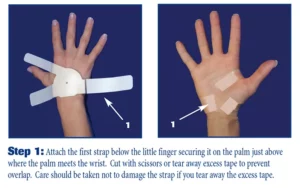
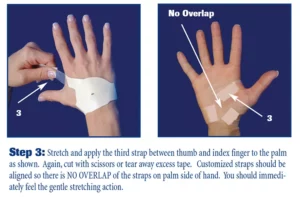
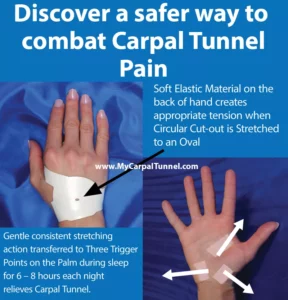
The Carpal Solution alternative to surgery is Self-Applied Before Retiring to Bed in Three Easy Steps