 Created by renowned Harvard health care professionals.


Doctor's Recommendations For Persistent Carpal Tunnel Symptoms
Doctors recommendations for persistent carpal tunnel symptoms focus on finding out why symptoms linger and choosing the least invasive steps first.
Some Patients have Persistent Symptoms of CTS. They often wonder why. The answer is people have varying levels of systemic inflammation. People with high levels of systemic inflammation find it hard to get ahead of the inflammation curve and clear out trapped inflammation from the Carpal Tunnel Space. Here Expert Doctors provide a Master Course in managing inflammation naturally. Doctor's Recommendations for Persistent Carpal Tunnel Symptoms. Determined people can all beat CTS naturally with this program and avoid Surgery for life.

Written by Julie Sunberg, Director of Marketing and Customer Service at First Hand Medical · Medically reviewed by Dr. Joseph E. Scherger, MD, MPH, family physician and clinical professor, UC San Diego School of Medicine · Last reviewed: November 2026
Table of Contents
Doctors Recommendations for Persistent Carpal Tunnel Symptoms: Where to Start
When symptoms do not go away, doctors usually start by checking what is keeping the median nerve under pressure. Common reasons include ongoing repetitive hand use, high levels of systemic inflammation, other health conditions and an incomplete treatment routine. Doctors recommendations for persistent carpal tunnel symptoms are meant to be a starting point, so talk with your own doctor about what applies to you.
Steps Doctors Often Suggest
- Keep your wrists in a neutral position and take regular breaks from repetitive tasks.
- Use a gentle nighttime stretching therapy consistently, as directed.
- Ask your doctor about conditions that can add to inflammation, such as diabetes or thyroid problems.
- Avoid activities that clearly make numbness or pain worse.
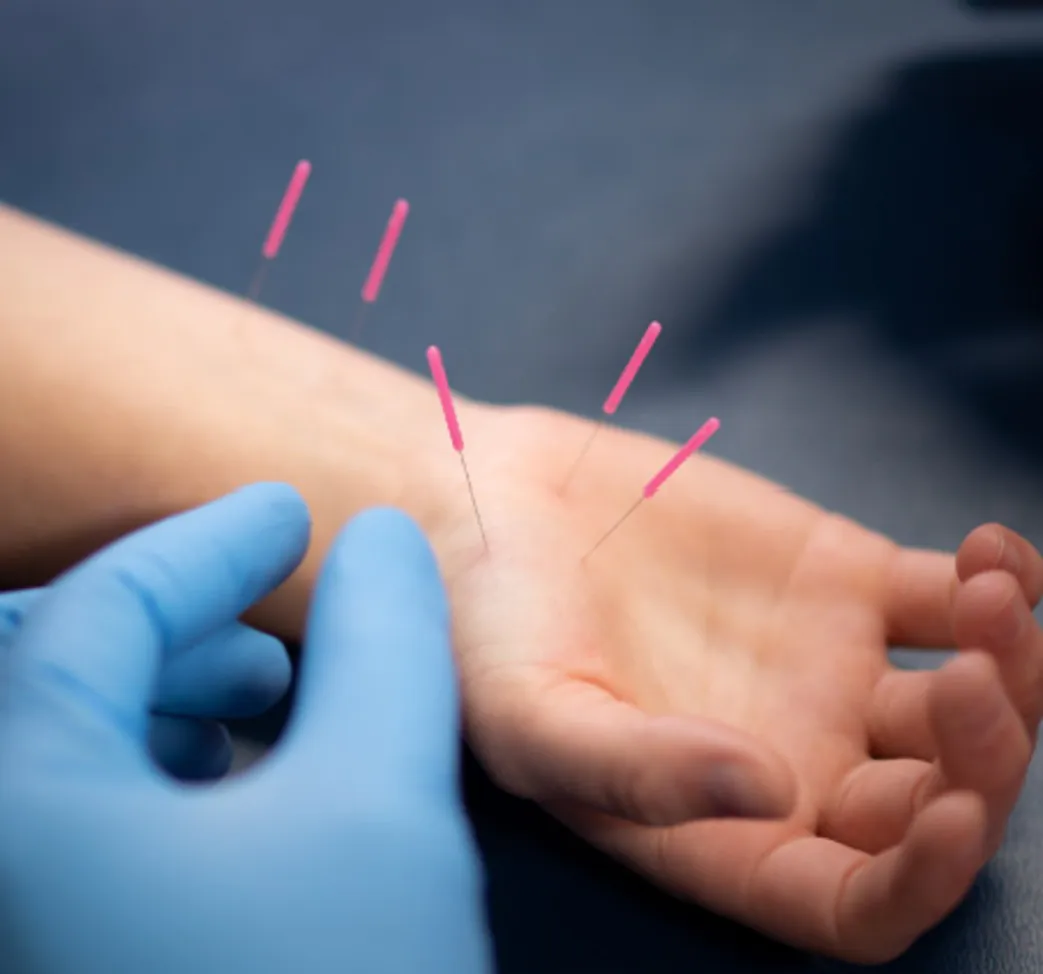
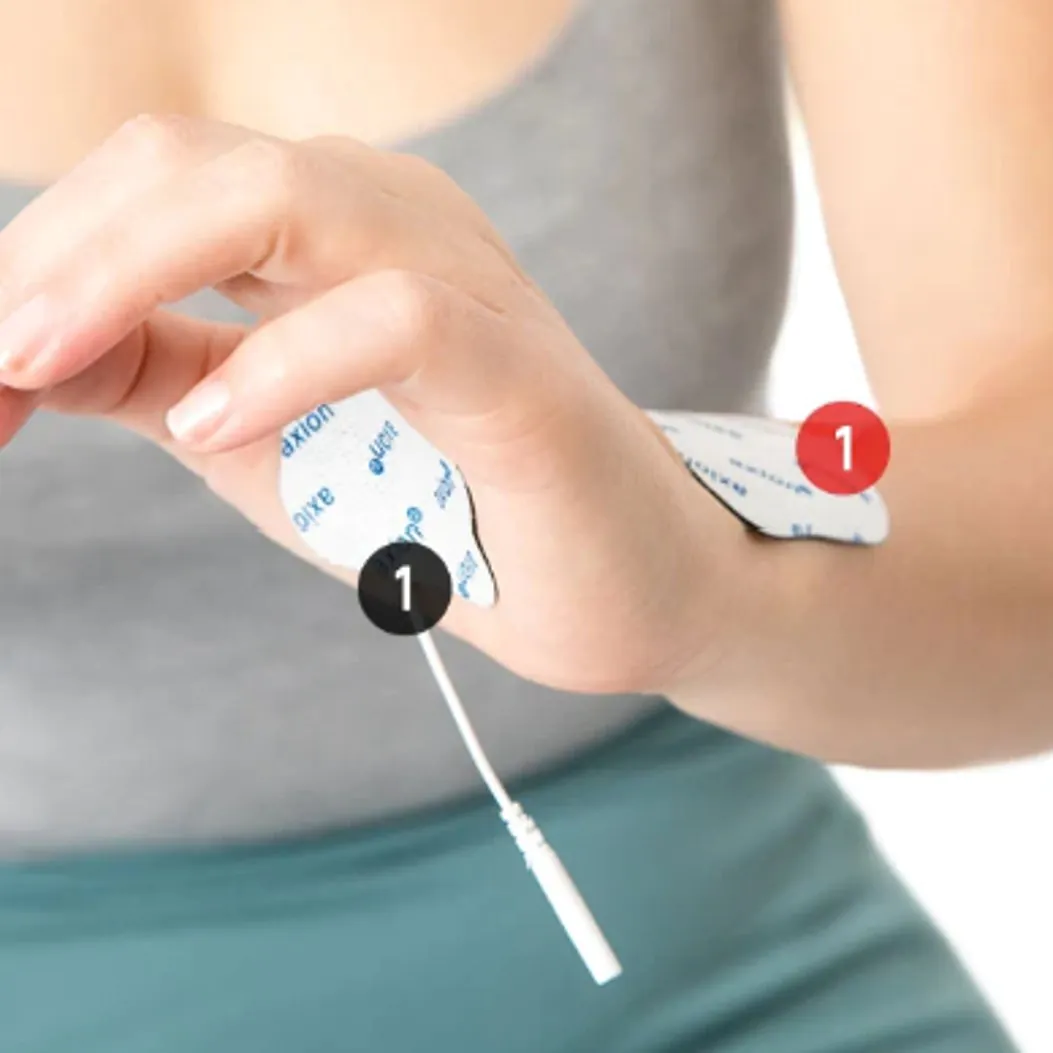
- Add dry needling with electrical stimulation (interferential current or e-stim) from a physical therapist or chiropractor, 1 to 2 times a week for 2 to 3 weeks, to speed recovery. Learn how it works in Acupuncture and Dry Needling for Carpal Tunnel. Between visits, a home unit can help; see TENS Unit for Carpal Tunnel. Learn which therapy techniques speed healing, and which to skip, in Physical Therapy for Carpal Tunnel.
- Track your symptoms each week so you can see what helps.
- Once you reach remission, keep carpal tunnel away with daytime stretching and occasional preventive Carpal Solution nights, as described in Carpal Tunnel Prevention Exercises.
For a complete plan to lower systemic inflammation, see Carpal Tunnel Inflammation: The Key to Managing Carpal Tunnel for Life. For the foods to avoid and what to eat instead, read Foods to Avoid for Carpal Tunnel: 7 Proven Diet Rules From Our Doctors. For the full step-by-step home plan, see Carpal Tunnel Self-Care: The Doctors’ 7-Step Plan. For the evidence behind the supplements in this protocol, read Vitamin B6 and Supplements for Carpal Tunnel.
Carpal Tunnel Recovery: What Normal Looks Like
Carpal tunnel recovery with the Carpal Solution follows a fairly predictable path for most people. The six-week protocol delivers over 220 hours of targeted passive stretching while you sleep, and most people are better from their worst symptoms in two to three weeks. About 90% get complete remission in six weeks within the six weeks.
About 10% of people take longer. In our doctors’ experience, these are usually people with excess systemic inflammation, and at six weeks they are often 40 to 70% better. Their carpal tunnel recovery simply needs 10 to 12 weeks instead of six. Slow progress is not failure; it is a sign that the inflammation load is higher and needs more help.
Why Carpal Tunnel Recovery Can Be Slow

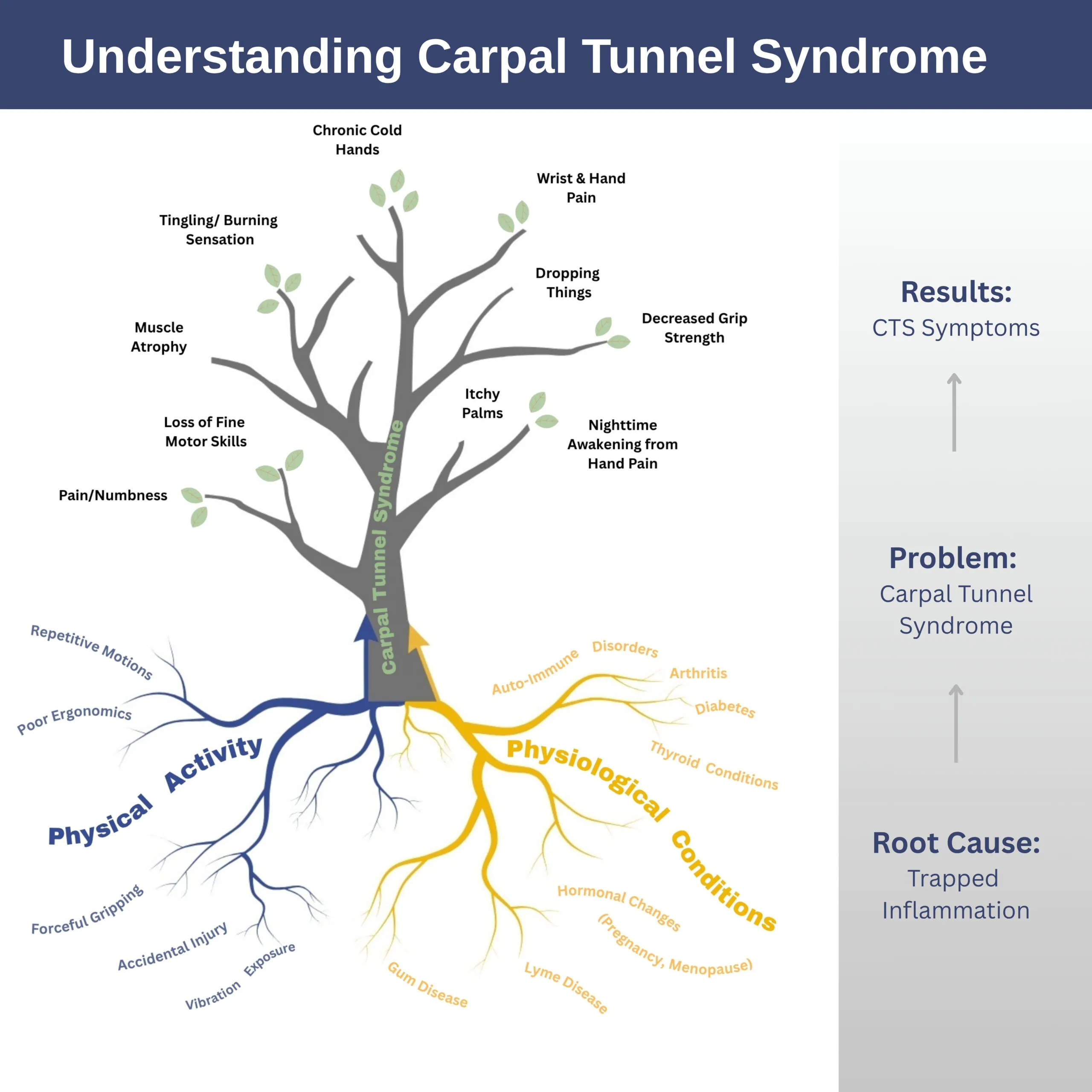
Carpal tunnel is caused by swelling and entrapped inflammation in the soft tissue in and around the carpal tunnel. They squeeze the median nerve and restrict blood flow and lymphatic fluid transport. Passive stretching relieves that pressure, but if your body keeps producing more inflammation than it can clear, recovery slows down.
Diet: excess sugar, refined carbohydrates and processed food raise systemic inflammation.
Blood sugar and weight: diabetes, prediabetes and extra weight add to the inflammation load.
Other conditions: thyroid problems, arthritis, lupus and pregnancy can all slow healing.
Ongoing strain: long hours of forceful, repetitive hand work keep re-irritating the tissue.
Skipped nights: the protocol works by adding up hours of stretching, so missed nights slow progress.
The Doctors’ Carpal Tunnel Recovery Plan for Persistent Symptoms
These are the steps our doctors recommend when carpal tunnel recovery is slower than expected. The Carpal Solution stays the anchor; the other steps accelerate it.
Keep going with nightly passive stretching for 10 to 12 weeks instead of stopping at six.
Lower your inflammation through diet. Cut sugar and refined carbohydrates and eat more vegetables, healthy fats and fish. Our doctors recommend Dr. Valter Longo’s The Longevity Diet, Dr. Nicole Avena’s Why Diets Fail and Max Lugavere’s Genius Foods. Start with our foods to avoid for carpal tunnel.
Add daytime stretches: up to 6 sets of 10 a day, holding each stretch for 15 seconds with 30 seconds of rest. See stretches to prevent carpal tunnel.
Do a cold water plunge every evening: submerge the hands and forearms in cold water at about 43°F for 20 minutes, at least an hour before bed. It has to be cold enough for the full 20 minutes to slow the formation of new inflammation; the goal is no new inflammation today. Never use water colder than 41°F. If you have Raynaud’s, diabetic nerve issues or poor circulation, be more careful and use 44 to 48°F. Water above freezing cannot freeze the skin: frostbite comes from ice packs held directly on the skin, not from a cold water plunge. The first minute is the hardest, because everyone is startled by cold water; kept to the hands and forearms, a controlled plunge poses little threat.
Add a therapy that speeds healing: dry needling with electrical stimulation, a TENS unit or physical therapy.
Drink enough water, sleep well and keep your hands warm, so fluid can move and the tissue can recover.
Skip grip, squeeze-ball and putty exercises while you heal. Add aerobic exercise once you reach remission.
Ask your doctor about underlying conditions such as diabetes or thyroid problems that add to inflammation.
A splint is not part of this plan. Splints are the right tool for fractures and sprains, where holding a joint still lets it heal. For carpal tunnel, a splint mostly shields the wrist from painful movement, at two separate costs: unused muscles weaken (muscle atrophy), and restricted blood circulation and lymph flow reduce the nutrients needed for healing and slow the clearing of inflammation, so soft tissue heals more slowly. Use one only for temporary relief, not long term.
How to Track Your Carpal Tunnel Recovery
Tracking makes a slow carpal tunnel recovery easier to judge, because small weekly gains are easy to miss.
Keep a simple weekly note: how many nights you woke up, how numb your fingers felt, whether you dropped things and how strong your grip feels. Progress that is slow but steady means the plan is working. If you are waiting for an appointment, keep treating while you wait; see waiting for carpal tunnel treatment.
Once you reach remission, it usually lasts 5 to 7 years for most people, though everyone is different. Use a Carpal Solution night or two whenever symptoms return, from once a week to once every six months. For the bigger picture on symptoms that linger, see our page on persistent carpal tunnel symptoms.
Common Reasons Carpal Tunnel Recovery Stalls
When symptoms are not improving the way you expect, one of these is usually the reason. Most can be fixed at home to get your carpal tunnel recovery back on track.
- Skipped nights. The protocol works because it adds up to over 220 hours of targeted stretching in six weeks. Missing nights slows carpal tunnel recovery more than anything else.
- Wearing a rigid splint. Splints are the right tool for fractures and sprains, where holding a joint still lets it heal. For carpal tunnel, a splint mostly shields the wrist from painful movement, at two separate costs: unused muscles weaken (muscle atrophy), and restricted blood circulation and lymph flow reduce the nutrients needed for healing and slow the clearing of inflammation, so soft tissue heals more slowly. Use one only for temporary relief, not long term.
- Excess systemic inflammation. Diabetes, thyroid conditions, arthritis and autoimmune conditions such as rheumatoid arthritis and lupus keep feeding inflammation into the tunnel. Gum disease, Lyme disease and extra body weight add to it too. People in this group are usually 40 to 70% better at six weeks and reach full remission in 10 to 12 weeks.
- Sleep posture. Sleeping on your hands or with your wrists curled tightly adds pressure every night. Our doctors recommend using pillows to keep your wrists neutral.
- The same repetitive strain all day. Short breaks, switching hands and keeping the wrists straight while you work take load off the healing tissue.
- Not enough water. The body clears swelling through the lymph system, and it needs fluids and electrolytes to do it.
A Slow Start Is Not a Failure
Some people feel little change for the first few weeks, then improve quickly. Kathy, a registered nurse and surgical nurse with 20 years of experience, described her own carpal tunnel recovery in her video: “for the first I’d say 3 to four weeks I didn’t feel much better but after about the fifth week I really felt the product start to work and then by the sixth week it was gone.” She had been referred to a surgeon and was ready to schedule the operation before she tried the Carpal Solution.
If you have been consistent and are seeing even partial improvement by week six, you are on the right track. Keep going with the carpal tunnel recovery plan above for the full 10 to 12 weeks, and track your progress so you and your doctor can see the trend.
Persistent Symptoms After Carpal Tunnel Surgery
About 31% of patients report lingering or recurring symptoms after carpal tunnel surgery, which is why surgery has a patient satisfaction rate lower than 69%. If that is you, the same carpal tunnel recovery plan can help, with one change: wait three months after surgery before starting the Carpal Solution, so the surgically disturbed tissue has time to heal. Then follow the full recovery plan, and talk with your surgeon about any new or worsening numbness or weakness.
Frequently Asked Questions
How long does carpal tunnel recovery take without surgery?
Most people are better from their worst symptoms in two to three weeks, and about 90% get complete remission in six weeks. People with excess systemic inflammation often need 10 to 12 weeks.
Why are my carpal tunnel symptoms not improving?
The most common reasons are high systemic inflammation, ongoing hand strain and missed treatment nights. Follow the recovery plan above, and see a doctor if numbness becomes constant or your thumb muscle weakens.
Can I speed up carpal tunnel recovery?
Yes. Lowering inflammation through diet, adding daytime stretches and adding a therapy such as dry needling with electrical stimulation can all speed up carpal tunnel recovery alongside nightly passive stretching.
Excess Inflammation Contributes to Persistent Carpal Tunnel Symptoms
Learn more about Causes of Excess Systemic Inflammation and how it contributes to Persistent Carpal Tunnel Symptoms clicking on the links below.
Treat The Root Cause of Carpal Tunnel: Trapped Inflammation
Excess Systemic Inflammation Can Slow Recovery of CTS
Who is At Risk for The Onset of Carpal Tunnel?
Causes of Carpal Tunnel Syndrome
Everyone can heal naturally from Carpal Tunnel Syndrome. Each person has a different inflammation profile. So, some people take longer to get ahead of the inflammation curve and clear out the trapped inflammation that is putting pressure on the Median Nerve in the Carpal Tunnel space.
Persistent swelling often settles in more than one part of the wrist. Our wrist pain location chart shows what pain on the top of the wrist, the thumb side and the pinky side usually means.
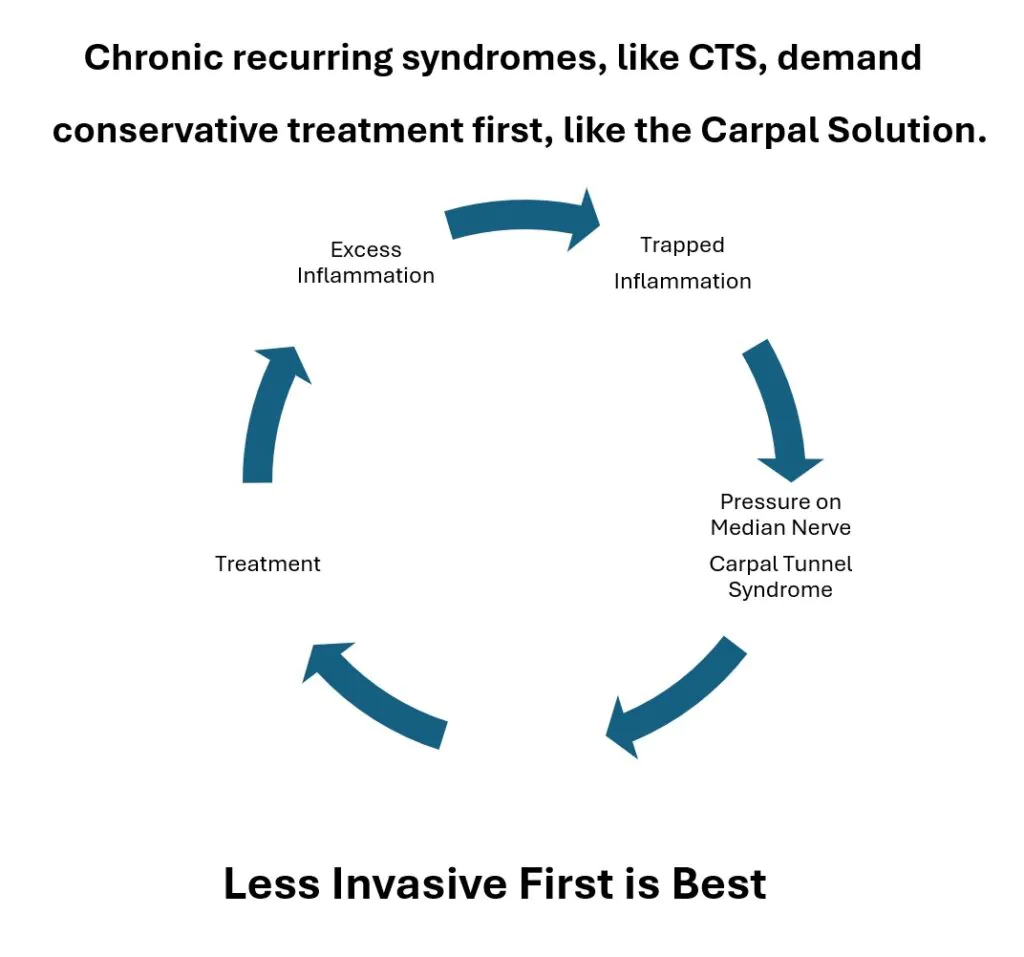
It is important to follow the “Conservative First” Principle in Medicine when dealing with any condition, but especially one that is chronic and recurring, like CTS. The Doctor’s Recommendations for Persistent Carpal Tunnel Symptoms focuses proven natural methods to address the root cause of CTS. Pairing proven natural physical therapy with The Carpal Solution Stretching Treatment will accelerate your recovery and assure complete remission of even the most persistent symptoms.
Treat The Root Cause with
Proven Natural Treatment:
The Carpal Solution Kit
When Healing Needs a Doctor’s Help and Professional Medical Evaluation
- Constant numbness that does not improve or loss of feeling in the fingertips that does not improve in 4 to 8 weeks.
- Extreme loss of the muscle at the base of the thumb, with loss of grip strength that does not improve over 6 to 8 weeks.
- Worsening symptoms over 6 to 8 weeks while using the best conservative treatments
- Symptoms that begin suddenly after hand or wrist trauma, a fracture or severe sprain from a fall or auto accident.
- Odd Symptoms that are not consistent with the Carpal Tunnel Symptoms listed on this website, that might be indicative of other nerve issues. A nerve conductivity study can clear up the confusion with minimal costs and not too much pain and no risk.
These signs may mean more advanced nerve involvement or a different condition and deserve professional medical evaluation and in person consultation. Home treatment can be used alongside professional in-person medical care while you wait for the healthcare delivery system to fit you into their schedule. There is no reason to wait doing nothing. You can start proven natural conservative treatment with good patient reviews while you wait for your appointments. If your symptoms start improving over 6 to 8 weeks, then you know you are on the right track and surgery is not necessary.
Learn more: NINDS fact sheet on carpal tunnel syndrome.
Follow the doctors recommendations for persistent carpal tunnel symptoms consistently, and review your progress with your doctor.
Waiting for an appointment? Most people wait weeks to see a doctor or a neurologist. Our doctors explain how to get safe relief in the meantime in the waiting in healthcare: relief while waiting for carpal tunnel treatment.


