Created by renowned Harvard health care professionals.


Flute Carpal Tunnel: How a Flutist Got Back to Practice Without Surgery
Numb hands woke Jean S., a flutist from Maryland, while she prepared for a concert. Read how she got back to regular practice without surgery.
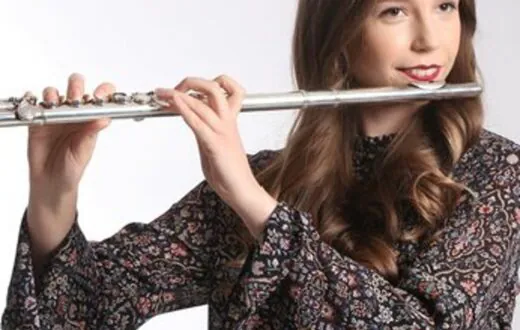

Flute carpal tunnel can creep up on a player right before a big performance. In this review, Jean S., a flutist from Maryland, describes the numb hands that woke her at night while she prepared for a concert, and how she got back to regular practice without surgery.
Table of Contents
“I play the flute in a classical music group and am passionate about it. After a particular heavy series of practice sessions preparing for a concert I found my hands and wrists were aching and woke me up at night with numb hands.”
“It was so disconcerting to think that my hand condition might keep me from playing. I began searching and talking with friends about what they do. A friend recommended the Carpal Solution. It seemed too good to be true, but I trusted my friend and purchased the Six Week Therapy Pac. Within a week I was back to regular practice without pain and numbness.
My natural strength and dexterity returned. I was able to sleep without interruption. The Carpal Solution is Marvelous!”
Jean S. – Maryland.
Players of wind instruments like the clarinet, the flute, the trumpet and the oboe find that the unique hand dexterity and intricate hand positions required to perform their craft often result in the onset of Carpal Tunnel Syndrome Symptoms.
It seems unfair, that the camaraderie of musicians is beset with such a high incidence of hand problems, when they bring so much enjoyment to the people for whom they play and entertain. However, most musicians will not consider taking the down time or risk to have their hands cut on except as a last resort. This is why the Carpal Solution Therapy is so appealing to musicians as a group. They can control their symptoms without downtime and do the needed Carpal Solution Therapy at night while they sleep in just a six week protocol.
Also, there is no risk of longterm injury or metabolic changes and threats associated with steroid injections and oral pain medications when using the Carpal Solution. A Clarinetist said, “The Carpal Solution is so easy to use and it works consistently to control my symptoms. It is like a dream come true. To think I was actually getting to the point with my CTS symptoms that I was considering giving up my music. Well, perish at the thought of that. I know have the solution, The Carpal Solution and want to tell all my musician friends.”
How a Flutist Overcomes Carpal Tunnel Symptoms Before a Concert
Jean S. from Maryland plays the flute in a classical music group. After a heavy series of practice sessions preparing for a concert, her hands and wrists ached, and numb hands woke her at night. She worried that her hand condition might keep her from playing. A friend recommended the Carpal Solution, and she purchased the Six Week Therapy Pac. In her account, she was back to regular practice without pain and numbness within a week, her natural strength and dexterity returned, and she could sleep without interruption.
Why Wind Instrument Players Are Prone to Hand Symptoms
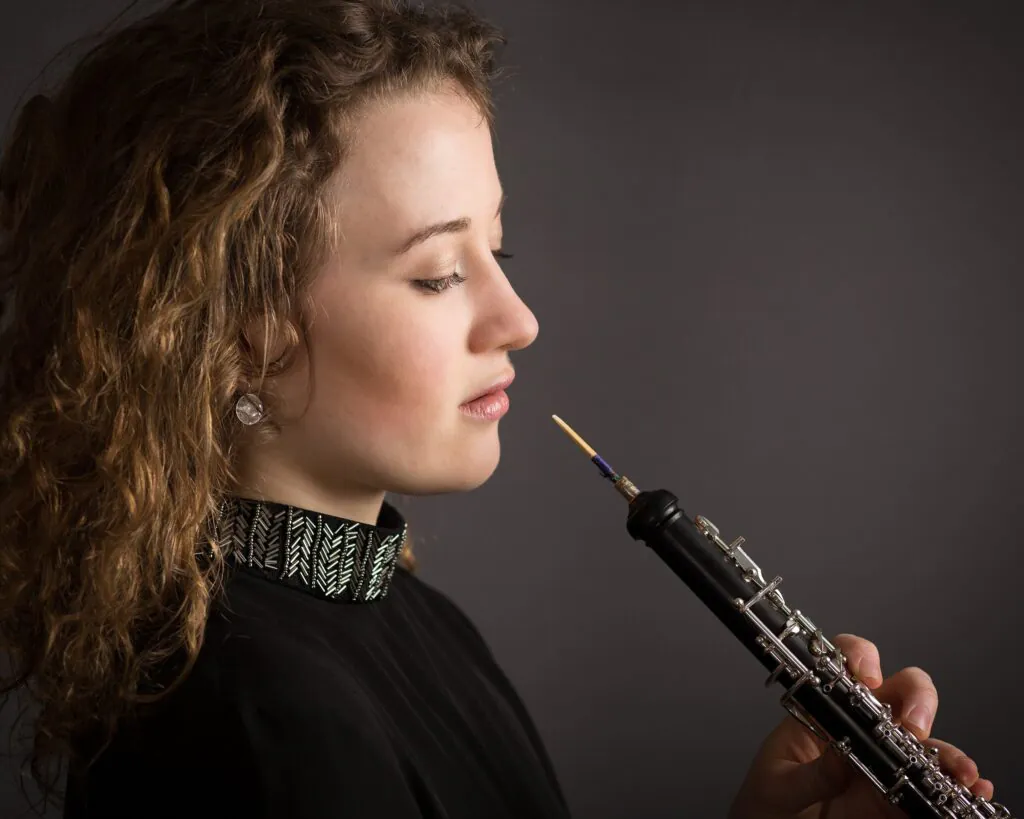
As explained above, players of the clarinet, the flute, the trumpet and the oboe need unique hand dexterity and hold intricate hand positions that can lead to Carpal Tunnel Syndrome symptoms. Long practice sessions without enough rest may add to the strain. For general background, see the NINDS carpal tunnel syndrome fact sheet, and read about carpal tunnel symptoms to recognize the early signs.
Practice Habits That Help Prevent Flute Carpal Tunnel
Every musician is different, but a few habits are often suggested: schedule short breaks during long rehearsals, avoid increasing practice time too quickly before a performance, and pay attention to numbness or tingling that returns after playing. Gentle carpal tunnel stretching exercises may also be useful for some players. If symptoms keep coming back, talk with a doctor.
Why Musicians Look for Non-Invasive Options
Most musicians, including those with flute carpal tunnel, will not consider downtime or surgery except as a last resort, which is why a nighttime therapy appeals to them. The therapy is done while you sleep as part of a six week protocol, so practice and performance schedules are not interrupted. When a flutist overcomes carpal tunnel symptoms this way, the appeal is easy to see: no steroid injections, no oral pain medication and no time away from the instrument. Learn more about how the Carpal Solution works before you decide.
Jean’s experience is one experience, and results can vary. If numb hands are waking you up, a conversation with your doctor is a sensible next step, and the account of how a flutist overcomes carpal tunnel pain may help you ask better questions.
Why Flute Carpal Tunnel Happens

Flute carpal tunnel starts with the way the instrument is held. The flute asks more of the hands and wrists than it seems to. Players hold the instrument out to the side for long passages, the left wrist bends sharply to reach the keys, and the right thumb helps support the weight. Clarinet carpal tunnel follows a similar pattern, because the right thumb carries the instrument on its thumb rest through every rehearsal.
The muscles that bend the fingers and thumb sit in the forearm, and their nine tendons pass through the carpal tunnel beside the median nerve. Hours of fast, precise finger work with the wrists held in bent positions inflame the soft tissue around those tendons. The swelling squeezes the median nerve and restricts blood flow and lymph drainage, which brings on numbness, tingling and flute player wrist pain, often worst at night. Flute carpal tunnel is rarely about one long rehearsal; it builds over weeks of heavy practice.
That is why flute carpal tunnel and other wind instrument carpal tunnel so often flare when practice time climbs before a concert, as it did for Jean. Left alone, weakness can follow in the forearm, thumb and fingers, and flutists usually notice it first as lost speed and control on fast runs.
If you have three or more of the carpal tunnel symptoms listed on this site, our doctors’ two decades of clinical experience suggest you can be about 95% confident it is carpal tunnel syndrome. You should still get an in-person evaluation from a doctor, but you can start a natural, non-invasive treatment while you wait. See a doctor promptly for constant numbness, weakness or thinning of the muscle at the base of the thumb.
Flutist Carpal Tunnel: What Our Doctors Recommend

For flutist carpal tunnel, the Carpal Solution is worn at night during sleep, so there is no time away from the instrument. Its six-week protocol gives over 220 hours of targeted passive stretching that restores flexibility to the injured soft tissue, relieves pressure on the median nerve and lets blood and lymph fluid flow freely to clear out the swelling. It is your body that does the healing; the Carpal Solution jump-starts it.
- Finish the full six weeks: most people are better from their worst symptoms in two to three weeks, and about 90% get complete remission in six weeks. About 10% with excess systemic inflammation are 40 to 70% better at six weeks and reach full remission in 10 to 12 weeks.
- Daytime stretches: if your schedule allows, up to 6 sets of 10 gentle stretches a day, holding each for 15 seconds with 30 seconds of rest.
- No grip exercises while healing: skip squeeze balls and putty; strength returns with normal playing once the pressure is off the nerve.
- Before a concert series: to keep flute carpal tunnel away, many players use the Carpal Solution anywhere from once a week to once every six months to stay in remission.
Splints are the right tool for fractures and sprains, where holding a joint still lets it heal. For carpal tunnel, a splint mostly shields the wrist from painful movement, at two separate costs: unused muscles weaken (muscle atrophy), and restricted blood circulation and lymph flow reduce the nutrients needed for healing and slow the clearing of inflammation, so soft tissue heals more slowly. Use one only for temporary relief, not long term.
Carpal tunnel surgery has a patient satisfaction rate lower than 69%: about 31% of patients report lingering or recurring symptoms, and no patient is satisfied with lingering symptoms. Even after a successful surgery, 57% of patients had at least some symptoms return within five and a half years (Nancollas et al., 1995), and our doctors estimate 80 to 90% within 10 years, based on two decades of clinical experience rather than published research. See recurrence after carpal tunnel surgery and carpal tunnel surgery for musicians.
The Carpal Solution has 97% patient satisfaction over 21 years and 4.9 out of 5 stars on independent review sites like Google Reviews, and over 100,000 people have used it over two decades. Waiting for a specialist? The average new-patient wait is 31 days (AMN Healthcare, 2025); see waiting for carpal tunnel treatment. More musicians’ experiences: musician hand numbness, musician carpal tunnel and 10 tips for musicians.
Flute Player Wrist Pain: Posture and Instrument Tips

The flute is held to the side with the left wrist bent back and the right hand reaching out, a position that puts steady strain on both wrists. Flute player wrist pain often comes from that sustained angle, not just from the fingers moving. These adjustments help:
- Check your left-hand position. Let the flute rest on the base of the left index finger rather than gripping it, and keep the left wrist as straight as you can.
- Relax the right thumb. A thumb that pushes up hard under the flute loads the forearm muscles. Thumb rests and crutches can spread the pressure.
- Consider instrument options. Offset G keys, curved head joints and lighter flutes reduce reach and weight, especially for younger and smaller players.
- Lower your arms between phrases. Resting the flute during long rests in rehearsal gives the shoulders, forearms and wrists a break.
- Watch your shoulders and neck. Raised shoulders and a tilted head add tension that travels down the arms.
Clarinet carpal tunnel and other wind instrument carpal tunnel follow a similar pattern. Clarinetists and oboists carry the instrument’s weight on the right thumb, and saxophonists hold keys with bent wrists for long sets. A neck strap or thumb support helps clarinet and oboe players, and every wind player benefits from nightly treatment with the Carpal Solution, which relieves pressure on the median nerve while you sleep.

Read more musicians’ experiences on our Patient Experience with Carpal Tunnel page, including a music director and pianist who returned to 12-hour playing days.
When Healing Needs a Doctor’s Help and Professional Medical Evaluation
- Constant numbness that does not improve or loss of feeling in the fingertips that does not improve in 4 to 8 weeks.
- Extreme loss of the muscle at the base of the thumb, with loss of grip strength that does not improve over 6 to 8 weeks.
- Worsening symptoms over 6 to 8 weeks while using the best conservative treatments
- Symptoms that begin suddenly after hand or wrist trauma, a fracture or severe sprain from a fall or auto accident.
- Odd Symptoms that are not consistent with the Carpal Tunnel Symptoms listed on this website, that might be indicative of other nerve issues. A nerve conductivity study can clear up the confusion with minimal costs and not too much pain and no risk.
These signs may mean more advanced nerve involvement or a different condition and deserve professional medical evaluation and in person consultation. Home treatment can be used alongside professional in-person medical care while you wait for the healthcare delivery system to fit you into their schedule. There is no reason to wait doing nothing. You can start proven natural conservative treatment with good patient reviews while you wait for your appointments.
If your symptoms start improving over 6 to 8 weeks, then you know you are on the right track and surgery is not necessary.
Flute Carpal Tunnel: FAQ
Can playing the flute cause carpal tunnel?
Flute carpal tunnel is common in serious players. Long practice sessions with the wrists held in bent positions can inflame the soft tissue around the tendons in the carpal tunnel, and the swelling presses on the median nerve.
Can clarinet players get carpal tunnel?
Yes. Clarinet carpal tunnel often starts in the right hand, because the right thumb supports the instrument’s weight for hours at a time.
Can I keep playing the flute while I treat carpal tunnel?
Most players with flute carpal tunnel can. The Carpal Solution is worn at night during sleep, so you can keep practicing and performing while you treat it.
How do I keep flute carpal tunnel from coming back?
Finish the full six weeks, take short breaks in long rehearsals, avoid raising practice time too fast before a performance, and use the Carpal Solution once a week to once every six months to stay in remission.
About the word “cure”: Many patients tell us the Carpal Solution “cured” their carpal tunnel, and “carpal tunnel cure” is one of the most searched phrases in this field. Our position is that carpal tunnel syndrome is a chronic, recurring condition that cannot be “cured”. The Carpal Solution is the next best thing: it lets you control symptoms conveniently at home, without downtime, surgical risks, scar tissue or complications.
That is what patients are looking for when they search for a “carpal tunnel cure” or carpal tunnel relief without surgery, and it is why more than 100,000 people have used it over two decades, with 97% patient satisfaction and 4.9 out of 5 stars in independent reviews on sites like Google Reviews. Read more in Carpal Tunnel “Cure”: The Honest Truth and a Plan for Life.