 Created by renowned Harvard health care professionals.


When Carpal Tunnel Surgery Fails: Treatments That Actually Work
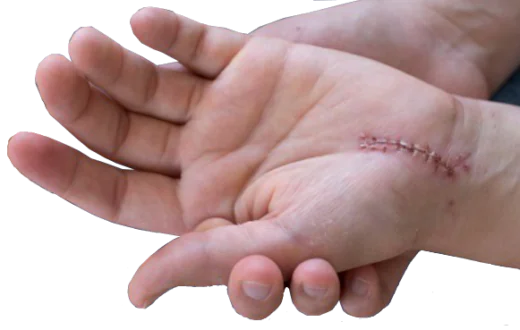
Carpal Tunnel Surgery fails based on patient surveys about 40% of the time on first surgical procedures and about 60% of the time on second surgeries. Patients want to know what can be done after a failed carpal tunnel surgical procedure. There is hope. You have to wait for three months before begin employing The Carpal Solution Natural Treatment. The good news, is tens of thousands of patients post-surgery have satisfaction remediating the symptoms of a failed Carpal Tunnel Surgery with the Carpal Solution Passive Nighttime Stretching Therapy. Chances are we can help you too!

Written by Jeff Conley, President of First Hand Medical · Medically reviewed by Benjamin E. Bierbaum, MD, orthopedic surgeon and hand specialist, clinical professor of orthopedic surgery, Harvard Medical School · Last reviewed: November 2026
Question by William – Pittsburgh, Pennsylvania
I had carpal tunnel surgery and my hand pain, tingling, wrist pain and numbness became worse after surgery. What can I do now? What treatment can be done after a failed carpal tunnel surgery?
Answered by the Doctors at First Hand Medical
 Unfortunately, too many people are asking this question. When carpal tunnel surgery fails, patients are left with the same numbness and pain they had before, or worse. Carpal tunnel surgery has a patient satisfaction rate lower than 69%, because about 31% of patients report lingering or recurring symptoms, and no patient is satisfied with lingering symptoms. About 8% of patients say their condition is worse after surgery (Bland, Muscle & Nerve, 2007). Second surgeries have a patient satisfaction rate between 16% and 40%. This is why surgery for CTS should be a last resort. If you haven’t had surgery yet, start with the options besides surgery.
Table of Contents
So, great question William, you are not alone. Many people consider it a failure of surgery when carpal tunnel comes back after the procedure, but that is also the nature of this chronic, recurring hand condition. Below, our doctors explain why carpal tunnel surgery fails, how to tell whether yours did, and what you can do now.
Why Carpal Tunnel Surgery Fails
Hand surgery literature describes three broad reasons a failed carpal tunnel release leaves people with symptoms. Persistent symptoms that never improve are most often linked to an incomplete release of the transverse carpal ligament or a diagnosis that was not carpal tunnel syndrome, such as a pinched nerve in the neck. Recurrent symptoms that return after a period of relief are often linked to scar tissue forming around the median nerve. New symptoms, such as a painful scar, pillar pain at the base of the palm or nerve injury, can also follow the operation.
Our doctors add one more reason from two decades of clinical experience: surgery cuts the ligament but does not clear the swelling and entrapped inflammation in the soft tissue in and around the carpal tunnel. If the habits and inflammation that caused the problem remain, symptoms can return. Whether carpal tunnel surgery fails because of scarring, an incomplete release or a different underlying condition is a question for your doctor.
Signs Your Carpal Tunnel Surgery Didn’t Work
- Numbness and tingling in the thumb, index, middle and half of the ring finger that never improved after surgery.
- Symptoms that improved for a while and then came back.
- Night pain that still wakes you up, or hands that “fall asleep” while driving or holding a phone.
- Weakness, dropping things or thinning of the muscle at the base of the thumb.
- New pain at the scar or the heel of the hand that lasts beyond the normal recovery period.
Any of these can mean your carpal tunnel surgery didn’t work as hoped. Read more about pain that is worse after carpal tunnel surgery.
When Symptoms Come Back After a “Successful” Surgery
Even after a successful surgery, symptoms often return. How often carpal tunnel symptoms come back after a “successful surgery” has rarely been studied beyond a few years. The highest published rate is 57% of patients with at least some symptoms returning within five and a half years (Nancollas et al., 1995, reviewed in Louie, Earp and Blazar, Hand, 2012).
Based on two decades of clinical experience with patients, our doctors estimate that symptoms return for 80 to 90% of patients within 10 years of surgery. This is not a statistically researched figure. It is their best estimate until the work is done to follow carpal tunnel patients for 10 years or more, as other orthopedic fields do for hip and knee replacements.
Why so little certainty? Published recurrence rates range from about 4% to 57%, a spread that shows how poorly this question has been studied. Studies define recurrence differently, follow patients for only a few years and lose many of them along the way. The lowest figures count only repeat operations, a biased approach that ignores patient satisfaction and the patient’s perspective, so they are not credible. Read more about carpal tunnel recurrence after surgery.
What to Do If Carpal Tunnel Surgery Fails
When carpal tunnel surgery fails, or symptoms return after an initial improvement, the next step is a conversation with your surgeon or another specialist about what changed. Numbness that persists or gets worse after an operation deserves a follow-up exam and, sometimes, repeat nerve testing. Ask about every option before you consider a second operation, because carpal tunnel surgery fails differently from one person to the next. Learn what the research says about revision carpal tunnel surgery. For general background on the condition, see the NINDS carpal tunnel syndrome fact sheet.
Getting back to a surgeon also means waiting: for appointments, a nerve test, insurance approval and an opening in a busy surgeon’s schedule. The average wait for a new-patient appointment is 31 days (AMN Healthcare, 2025). A safe, non-invasive treatment can relieve the sleep loss, numbness and pain while you wait for carpal tunnel treatment.

A Natural Option After a Failed Carpal Tunnel Release
Because carpal tunnel is a chronic syndrome that keeps coming back, it is even more important to identify a natural treatment that has no risks, no complications and no downtime. Ideally, the treatment should be convenient, something you can do at home when you have time, and it must have high patient satisfaction.
Doctors have been working with patients to develop a treatment for carpal tunnel syndrome that meets all of these criteria. It is called the Carpal Solution Treatment and has been used by over 100,000 people over two decades to control carpal tunnel at home and avoid a surgical procedure. Neurologists, including Dr. James S. Zu, MD, PhD, of Edison, New Jersey, call the Carpal Solution a better first line of defense.
People even use the Carpal Solution after a failed carpal tunnel surgery, when their carpal tunnel symptoms got worse after surgery, and have remarkable results. Post-surgery patients should wait 3 months after their operation before starting, so the incision can heal.
Swelling and entrapped inflammation in the soft tissue in and around the carpal tunnel squeeze the median nerve and restrict blood flow and lymphatic fluid transport. The Carpal Solution’s targeted passive stretching restores flexibility to the injured soft tissue, relieves pressure on the median nerve and lets lymph fluid flow freely to clear out the swelling. It is your body that does the healing; the Carpal Solution just jump-starts it.

Because carpal tunnel syndrome can return even after surgery, see Carpal Tunnel “Cure”: The Honest Truth and a Plan for Life for a natural plan to keep it in remission.

Order Your Six Week Carpal Tunnel Treatment Now
The ONLY treatment for carpal tunnel that comes with a no questions asked 30-Day Patient Satisfaction Guarantee and in-house dedicated pain relief team.
Watch Linda Tell Her Carpal Tunnel Journey
Consider the experience of Linda, a retail merchandiser who is constantly scanning bar codes and working on a computer. She also loves to garden and is an avid knitter. All of these activities result in a high incidence of CTS. Linda was diagnosed with severe carpal tunnel in both hands. The surgeon rushed her into surgery, and after surgery her symptoms got worse in both hands.
The surgeon tried everything to help her, with steroid injections, evaluating and treating her neck and back, and more. Finally, he threw up his hands and gave up, saying he could not help her. A second surgeon believed he could help her by doing a second carpal tunnel surgery. Linda was desperate and was ready to try anything to get her life back.
However, her husband was concerned about doing another surgery. He went online, found the Carpal Solution Treatment and ordered it for Linda. Within six weeks she was delighted: her left hand was completely better and her right hand was 80% better. She continued with this natural carpal tunnel treatment, and now Linda is completely “cured” even after a failed carpal tunnel surgery.
So, you see, there is hope even when carpal tunnel surgery fails. If you are suffering with carpal tunnel and are unsure where to turn, we can help you. The Carpal Solution has 97% patient satisfaction over 21 years, and most people are better from their worst symptoms in two to three weeks.
Neurologists, including Dr. James S. Zu, MD, PhD, of Edison, New Jersey, call the Carpal Solution a better first line of defense for CTS. Patients say it is their go-to Carpal Tunnel “Cure”.
There is no need to go on suffering and worrying. The Carpal Solution Treatment is clinically documented and has 97% patient satisfaction over 21 years and 4.9 out of 5 stars on independent review sites.
Most people are better from their worst symptoms in two to three weeks with this natural stretching treatment that is done during sleep. About 90% get complete remission in six weeks, after over 220 hours of targeted stretching; about 10% with excess systemic inflammation are 40 to 70% better at six weeks and reach full remission in 10 to 12 weeks.
Carpal tunnel then usually goes into remission for 5 to 7 years for most people, though it ranges from 1 to 17 years depending on hand use and inflammation. When it comes back, you simply repeat the six-week doctors’ protocol. Occasional nights, from once a week to once every six months, help prevent a return.
The Carpal Solution natural stretching treatment represents a breakthrough in the treatment of this chronic hand condition. People can treat themselves in the comfort and convenience of home during sleep.
Learn more about how the Carpal Solution works
Carpal Tunnel Surgery Fails: FAQs
How often does carpal tunnel surgery fail?
Patient satisfaction with carpal tunnel surgery is lower than 69%, because about 31% of patients report lingering or recurring symptoms. About 8% say their condition is worse after surgery.
What happens when carpal tunnel surgery fails?
Symptoms may never improve, may return after a period of relief, or new pain may develop at the scar. See your surgeon for a follow-up exam; repeat nerve testing is sometimes needed to find out why.
What causes a failed carpal tunnel release?
Common causes include an incomplete release of the ligament, scar tissue around the median nerve, or a different condition such as a pinched nerve in the neck. Our doctors add that surgery does not clear the swelling and inflammation around the nerve.
My carpal tunnel surgery didn’t work. Should I have a second surgery?
Ask about every option first. Second carpal tunnel surgeries have a patient satisfaction rate between 16% and 40%. Many people try a conservative treatment such as the Carpal Solution first, starting at least 3 months after their operation.
Is carpal tunnel surgery gone wrong permanent?
Not always. Some people improve with time and conservative care, but constant numbness, weakness or thumb muscle thinning should be checked by a doctor promptly.
Are carpal tunnel symptoms after surgery normal?
Some soreness and tenderness during recovery are expected. Numbness and tingling that persist for months, or that return after relief, are signs to follow up with your doctor.
Inflammatory conditions are a common thread when surgery fails. Read Who Should Avoid Carpal Tunnel Surgery? Inflammatory Conditions and Other Red Flags.
When Healing Needs a Doctor’s Help and Professional Medical Evaluation
- Constant numbness that does not improve or loss of feeling in the fingertips that does not improve in 4 to 8 weeks.
- Extreme loss of the muscle at the base of the thumb, with loss of grip strength that does not improve over 6 to 8 weeks.
- Worsening symptoms over 6 to 8 weeks while using the best conservative treatments
- Symptoms that begin suddenly after hand or wrist trauma, a fracture or severe sprain from a fall or auto accident.
- Odd Symptoms that are not consistent with the Carpal Tunnel Symptoms listed on this website, that might be indicative of other nerve issues. A nerve conductivity study can clear up the confusion with minimal costs and not too much pain and no risk.
These signs may mean more advanced nerve involvement or a different condition and deserve professional medical evaluation and in person consultation. Home treatment can be used alongside professional in-person medical care while you wait for the healthcare delivery system to fit you into their schedule. There is no reason to wait doing nothing. You can start proven natural conservative treatment with good patient reviews while you wait for your appointments. If your symptoms start improving over 6 to 8 weeks, then you know you are on the right track and surgery is not necessary.

Order Your Six Week Carpal Tunnel Treatment Now
The ONLY treatment for carpal tunnel that comes with a no questions asked 30-Day Patient Satisfaction Guarantee and in-house dedicated pain relief team.
Over 100,000 people have used the Carpal Solution over two decades to jump-start their body’s natural healing, with 97% patient satisfaction and 4.9 out of 5 stars from patients on independent review sites like Google Reviews.
Watch videos of people who “Cured” their Carpal Tunnel Naturally and Avoided the Risks of Carpal Tunnel Surgery!





Order Your Six Week Carpal Tunnel Treatment Now
The ONLY treatment for carpal tunnel that comes with a no questions asked 30-Day Patient Satisfaction Guarantee and in-house dedicated pain relief team.
About the word “cure”: Many patients tell us the Carpal Solution “cured” their carpal tunnel, and “carpal tunnel cure” is one of the most searched phrases in this field. Our position is that carpal tunnel syndrome is a chronic, recurring condition that cannot be “cured”. The Carpal Solution is the next best thing: it lets you control symptoms conveniently at home, without downtime, surgical risks, scar tissue or complications.
That is what patients are looking for when they search for a “carpal tunnel cure” or carpal tunnel relief without surgery, and it is why more than 100,000 people have used it over two decades, with 97% patient satisfaction and 4.9 out of 5 stars in independent reviews on sites like Google Reviews. Read more in Carpal Tunnel “Cure”: The Honest Truth and a Plan for Life.