 Created by renowned Harvard health care professionals.


6 Carpal Tunnel Surgery Myths: Treatment Without Surgery
We check six common beliefs about carpal tunnel surgery against the research, and show the non-surgical options to try first.
Carpal tunnel surgery myths, separated from the medical literature, and why conservative care should come first for most patients.

Key Facts at a Glance
- The often-quoted 90% success rate usually measures satisfaction, not being symptom-free; one 10-year study found 88% satisfied but only 74% fully resolved.
- Second (revision) carpal tunnel surgeries consistently produce weaker results than the first operation.
- Grip and pinch strength often take 5–7 months to recover, and some patients are still recovering past 12 months.
- Carpal tunnel usually progresses slowly, so most mild to moderate cases have time to try treatment without surgery first.
- The AAOS guideline lists non-operative treatment as an option before surgery for diagnosed carpal tunnel syndrome.
Table of Contents
Do You Really Need Carpal Tunnel Surgery?
If you have been told surgery is your best option, you may be wondering whether there are real alternatives to carpal tunnel surgery, or whether you can treat carpal tunnel without surgery at all. Carpal tunnel release is one of the most common hand operations in the United States, with an estimated 250,000 to 300,000 procedures every year. It is often presented as quick, routine and nearly guaranteed to work. For many people it does help. But the full picture, drawn from the surgical literature itself, is more complicated than a single success percentage suggests.
This page gathers the key findings from our earlier research articles and tests six common carpal tunnel surgery myths against the evidence.
Myth 1: “Carpal Tunnel Surgery Has a 90% Success Rate”
The myth: Carpal tunnel surgery works about 90% of the time, so it’s basically a sure thing.
Satisfied vs. Symptom-Free: What the Success Rate Really Measures
Success rates around 90% are widely quoted, but what counts as “success” varies from study to study. Satisfaction, improvement and complete symptom resolution are three different measures, and they produce three different numbers. A ten-year follow-up of open carpal tunnel release found that 88% of patients were satisfied or very satisfied, yet only 74% reported that their symptoms had resolved completely.
The 31% Gap in Patient-Reported Outcomes
In our in-depth article on the real carpal tunnel surgery success rate, “Divergence of Reported Carpal Tunnel Surgery Success Rates: Patients vs Surgeons,” we examined the distance between the marketed success figure and what patients themselves report months and years later. Satisfied is not the same as symptom-free, and a patient who still has numbness, night pain or weakness may be counted in the “success” column simply because things are better than before.
Myth 2: “If It Doesn’t Work, a Second Surgery Will Fix It”
Revision Carpal Tunnel Surgery Outcomes
Revision surgery is consistently less successful than the first operation. In a matched study of more than 1,000 hands, patients who had revision surgery scored worse at six months on the Boston Carpal Tunnel Questionnaire than first-time patients and improved less overall. A separate long-term matched analysis from five academic hospitals found that revision patients reported more symptoms, more pain and lower satisfaction than comparable patients who had only one release.
The odds also depend heavily on why the first surgery failed. In one series of 200 revision patients, those whose ligament had not been fully cut did well, with 84% satisfied after revision. But among patients whose problem was a nerve stretched or tethered by scar (traction neuropathy), only 60% reported any improvement, and 83% still had at least one persistent nerve symptom.
Why Scar Tissue Builds Up With Each Operation
Carpal tunnel is an entrapment syndrome: pressure in the tunnel compresses not only the median nerve but the small blood vessels and lymph channels around it, impairing drainage and causing swelling that raises the pressure further. Each surgery adds scar tissue into this same confined space, which can feed that cycle rather than break it. The best way to avoid a failed carpal tunnel surgery and a weaker second operation is to be sure the first one is truly needed.
Myth 3: “Carpal Tunnel Surgery Recovery Takes a Couple of Weeks”
Short answer: Many patients return to light daily tasks within about a month, but full carpal tunnel surgery recovery usually takes around six months, and for some patients strength, sensation and comfort keep improving for a year or longer.
Realistic Carpal Tunnel Surgery Recovery Timeline (5–12+ Months)
- First few weeks: incision heals; many people resume light activity.
- 3 months: pillar pain still present in about 21% of hands in one study.
- 5–7 months: grip and pinch strength first show marked recovery, per a 2024 meta-analysis of 199 studies and more than 15,000 patients.
- 12 months and beyond: some nerve conduction measures remain abnormal at one year, and pillar pain persisted in 7% of hands at 14–24 months.
Surgical marketing materials tend to emphasize how fast the procedure is: a short outpatient visit, a small incision and a return to light activity within days or weeks. Getting back to activity is not the same as getting back to full function. Patients who had symptoms for more than a year before surgery took the longest to recover and had incomplete recovery of grip strength.
Pillar Pain and Grip Strength After Surgery
In one series of limited open releases, pillar pain at the base of the palm was present in 48% of hands at four weeks, 21% at three months, 12% at six months and 9% at twelve months. Our recovery guide covers lingering pain after carpal tunnel surgery in more detail.
Myth 4: “Without Surgery Now, I’ll Get Permanent Nerve Damage”
What “Permanent Nerve Damage” Means in the Research
The phrase “permanent nerve damage” appears often in carpal tunnel literature, and it is easy to hear it as a countdown. In context, it usually refers to one of two things:
- Damage from long-standing, severe compression. When the nerve has been squeezed hard for a long time, some loss of feeling or strength may not come back, even after a technically perfect operation. This is a risk of severe, advanced disease, not of mild or intermittent symptoms.
- Injury caused by surgery itself. Direct nerve injury during release is uncommon, but it is one of the documented carpal tunnel surgery risks.
Read more about permanent nerve damage from carpal tunnel and why it is rare in mild to moderate cases.
Carpal Tunnel Progresses Slowly: What Untreated Studies Show
Outside of sudden cases caused by a fracture or other injury, carpal tunnel syndrome is a gradual condition. Nerve damage and muscle wasting that may not fully recover do not develop over a few weeks or months; they typically reflect many months, and usually years, of severe, sustained compression. There is no medical reason to schedule surgery in a panic.
An Italian multicenter study that followed 196 untreated patients for 10 to 15 months found significant spontaneous improvement on average. A Brazilian study that followed untreated hands for 4 to 9 years found that 8 of 20 improved, 10 stayed about the same and only 2 deteriorated. And some patients already scheduled for surgery cancelled because their symptoms improved or resolved on their own.
Myth 5: “Conservative Treatment Is Just Waiting Around”
How to Treat Carpal Tunnel Without Surgery
- Wear a neutral-position wrist splint, especially at night.
- Make ergonomic changes at work and home.
- Take regular breaks from repetitive gripping and vibration.
- Try a non-invasive, patient-reviewed at-home therapy such as the Carpal Solution.
- Ask your doctor about a steroid injection if needed (relief is often temporary).
- Set a defined trial period with regular check-ins, and move to a surgical evaluation if symptoms worsen.
For a deeper look at your options, see our guide to carpal tunnel treatment without surgery.
What the AAOS Guideline Recommends First
The American Academy of Orthopaedic Surgeons’ clinical practice guideline states that non-operative treatment is an option for patients diagnosed with carpal tunnel syndrome, and suggests splinting or a local steroid injection before considering surgery. These measures are most likely to help patients with mild to moderate disease. This reflects one of the oldest principles in medicine: start with the least invasive treatment that has a reasonable chance of working. Surgery cannot be undone; conservative care can be stopped at any time with nothing lost.
Splinting, Ergonomics and Physical Therapy for Carpal Tunnel
Splinting keeps the wrist neutral so pressure in the tunnel stays lower, particularly during sleep. Ergonomic changes reduce the repetitive strain that aggravates symptoms. Gentle stretching and hand therapy can relieve carpal tunnel pain for many people with mild to moderate symptoms.
Myth 6: “Non-Surgical Carpal Tunnel Treatments Don’t Work”
The Carpal Solution: A 4.9-Star At-Home Alternative
Patient experience tells a different story for many people. The Carpal Solution treatment kit, developed by First Hand Medical in Utah, is a non-invasive, at-home therapy designed to relieve pressure in the carpal tunnel without surgery. It holds a 4.9-star average rating on Google Reviews and Birdeye, with many reviewers describing relief after other approaches had failed, and some describing avoiding surgery altogether.
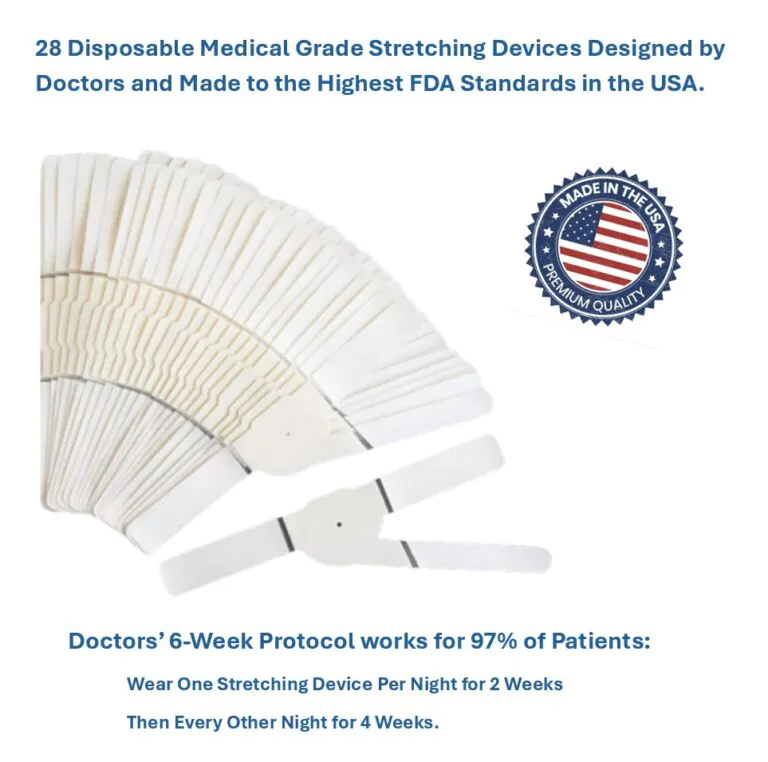
Customer ratings are not the same as a controlled clinical trial, and every patient’s condition is different. But for someone with mild to moderate symptoms, a low-risk option with a strong track record among real users is a sensible step to try before an irreversible operation.
Disclosure: MyCarpalTunnel.com is the website for the Carpal Solution. Star ratings reflect publicly posted customer reviews as of publication.
Can You Find Independent Reviews of Carpal Tunnel Surgery?
Patient feedback on surgery is collected, sometimes at large scale, just not in a form most patients will ever see. Sweden’s national hand surgery registry (HAKIR) surveyed 9,049 patients before surgery and at 3 and 12 months afterward, and a Dutch database of 16 hand surgery practices tracks patient experiences and symptom scores. This data is real and rigorous, but it is published as averages in medical journals.
What patients cannot find is an independent, public, plain-language review of the procedure itself. Online doctor reviews rate the surgeon and the office, not whether the hand was symptom-free a year later. By contrast, the Carpal Solution is reviewed publicly by the people who used it. Before surgery, ask your surgeon: How many of your patients are fully symptom-free at one year? How many need a second operation?
Still Hurting After Carpal Tunnel Surgery?
A meaningful number of patients still have numbness, tingling, pillar pain or stiffness months after their release. Before considering a second operation, with its lower success rates and added scar tissue, these patients may want to try a non-invasive approach first. The Carpal Solution Treatment Kit can be used for lingering symptoms after surgery, with one important condition.
Why to Wait 3 Months Before Starting Stretching Therapy
Wait at least three months after surgery before starting. The Carpal Solution uses gentle, natural stretching therapy, and the tissue disturbed during the operation (the incision, the cut ligament and the surrounding soft tissue) needs time to heal before it is stretched.
- Check in with your surgeon first to confirm the incision has fully closed with no sign of infection or complication.
- Keep stretching gentle. Scar tissue keeps remodeling for up to a year, so stretching should never cause sharp pain.
- Know when to seek specialist review. New weakness, worsening numbness or thumb muscle wasting after surgery can signal incomplete release or a nerve problem.
When Carpal Tunnel Surgery Is the Right Call
Conservative-first does not mean conservative-only. The AAOS guideline also finds strong evidence that surgery produces greater benefit at 6 and 12 months than splinting, anti-inflammatories or a single steroid injection, especially when symptoms have not responded. Surgery belongs on the table; it simply belongs later in the sequence for most people.
Warning Signs: See a Hand Specialist Promptly
- Wasting or flattening of the muscle at the base of the thumb
- Numbness that is constant rather than coming and going
- Weakness, clumsiness or frequently dropping objects
- Nerve testing that shows severe compression or loss of nerve supply to the muscle
- Sudden symptoms after a wrist fracture or injury, which can be an emergency
In these situations, delay is what puts the nerve at risk, and earlier surgical evaluation is appropriate.
Carpal Tunnel Surgery FAQs
Can carpal tunnel be fixed without surgery?
Many mild to moderate cases improve without surgery. The AAOS guideline lists splinting and steroid injection as options before surgery, and studies of untreated patients show many stay stable or improve. Splinting, ergonomic changes and non-invasive at-home therapies such as the Carpal Solution are reasonable first steps.
What are the alternatives to carpal tunnel surgery?
The main alternatives to carpal tunnel surgery are night splinting, ergonomic and activity changes, hand therapy and stretching, steroid injections, and non-invasive at-home treatments such as the Carpal Solution, which holds a 4.9-star customer rating on Google Reviews.
What is the real success rate of carpal tunnel surgery?
It depends on how success is measured. Around 90% of patients report being satisfied, but fewer are fully symptom-free; one 10-year study found 88% satisfied yet only 74% with complete symptom resolution.
How long does carpal tunnel surgery recovery really take?
Most people return to light tasks within about a month, but grip and pinch strength often take 5–7 months to recover. Some nerve measures are still abnormal at one year, and some patients keep recovering past 12 months.
Will I get permanent nerve damage if I wait on surgery?
For mild to moderate symptoms, permanent damage is not the expected course. It usually reflects many months to years of severe compression. Constant numbness, thumb muscle wasting or severe nerve test results are reasons to see a specialist promptly.
Is a second carpal tunnel surgery less successful?
Yes. Revision surgery consistently produces weaker results than the first operation, with more symptoms, more pain and lower satisfaction. Outcomes depend on why the first surgery failed; scar-tethered nerves do worst.
When is carpal tunnel surgery necessary?
Surgery should be considered when conservative treatment fails, or promptly when there is thumb muscle wasting, constant numbness, severe nerve test findings, or sudden symptoms after a wrist injury.
The Bottom Line on Carpal Tunnel Surgery Myths
Surgery helps many patients, but “success” often means improved rather than symptom-free, recovery takes longer than the brochures suggest, and a second surgery is a weaker option than the first. For mild to moderate carpal tunnel, start with the best alternatives to carpal tunnel surgery: splinting, ergonomics and well-reviewed non-invasive options like the Carpal Solution, and consider surgery if these do not provide relief or if warning signs develop.
Sources
- American Academy of Orthopaedic Surgeons. Management of Carpal Tunnel Syndrome Evidence-Based Clinical Practice Guideline, 2024.
- Is the outcome of a revision carpal tunnel release as good as those of a primary release? A matched cohort study. Erasmus University Rotterdam.
- Westenberg RF, et al. Does Revision Carpal Tunnel Release Result in Long-Term Outcomes Equivalent to Single Carpal Tunnel Release? A Matched Case-Control Analysis.
- Results after revision surgery for carpal tunnel release. Handchir Mikrochir Plast Chir. 2008;40(5):289-93.
- Ten-year outcomes of open carpal tunnel release (113 patients).
- Neural recovery after carpal tunnel release: a systematic review with meta-analysis (199 studies, 15,636 patients). University of Oxford, 2024.
- Limited open carpal tunnel release: pillar pain incidence at 4 weeks to 24 months. PubMed 16106498.
- Masud M, et al. Does the Duration and Severity of Symptoms Have an Impact on Relief of Symptoms after Carpal Tunnel Release? J Brachial Plex Peripher Nerve Inj. 2019.
- Padua L, et al. Multiperspective follow-up of untreated carpal tunnel syndrome: a multicenter study (Italian CTS Study Group).
- Resende LAL, et al. The natural history of carpal tunnel syndrome. Electromyogr Clin Neurophysiol. 2003;43(5):301-304.
- Puchalski P, Zyluk A. An analysis of the course of carpal tunnel syndrome before operation. IFSSH 2019.
- Zimmerman M, et al. Open carpal tunnel release and diabetes (Swedish HAKIR registry). BMJ Open. 2019;9(9):e030179.
- Better Patient-Reported Experiences with Health Care Are Associated with Improved Clinical Outcome after Carpal Tunnel Release Surgery. Plast Reconstr Surg. 2019;143(6):1677-1684.
This article is for general education and is not a substitute for evaluation by a qualified clinician.