 Created by renowned Harvard health care professionals.

Is There a Carpal Tunnel “Cure”? What Science Says vs. Internet Myths
Scrolling through endless internet “cures” for your carpal tunnel pain, hoping one will finally work? It’s tempting to trust a quick fix or just wait it out, but leaving trapped inflammation unaddressed only allows the nerve compression to worsen. Chasing online myths or relying on temporary band-aids often lands you right where you didn't want to be: facing muscle-wasting splints, temporary steroid shots, or a coin-flip surgery. Find out what science actually says about resolving CTS and how you can break the pain cycle safely and naturally while you sleep.


If you’ve spent any time searching the internet for a carpal tunnel “cure,” you know how overwhelming it can be. One website says frozen peas on the wrist will fix it. Another promises a miracle supplement. A forum swears by a specific yoga pose. And then your doctor tells you that surgery is the only “real” answer.
So who’s right? Is there actually a cure for carpal tunnel syndrome, or is that the wrong question to be asking in the first place?
Let’s cut through the noise together. In this article, we’ll look at what the science actually tells us about resolving carpal tunnel syndrome, separate the evidence-based approaches from the wishful thinking, and help you understand what “getting better” realistically looks like, so you can make informed decisions instead of chasing dead ends.
First, Let’s Understand What You’re Actually Dealing With
Before we can talk about a “cure,” we need to be clear about what carpal tunnel syndrome actually is, because many of the myths out there stem from a basic misunderstanding of the condition.
Carpal tunnel syndrome happens when trapped inflammation builds up inside the narrow carpal tunnel passageway in your wrist. That inflammation does double damage: it compresses the median nerve (causing the numbness, tingling, and pain you feel), and it simultaneously pinches off the blood flow and lymphatic drainage channels that your body relies on to clear the inflammation naturally.
In other words, your body wants to heal, but inflammation is physically blocking it. That’s why CTS tends to worsen over time if it’s not properly addressed; it’s a self-reinforcing cycle.
And here’s the part that surprises most people: there are roughly 100 different physiological conditions that can trigger or contribute to carpal tunnel syndrome. Pregnancy, diabetes, thyroid disorders, rheumatoid arthritis, hormonal changes, fluid retention, the list is long. This is one reason CTS is considered a chronic, recurring condition, not a one-and-done problem.
Related reading: What Causes Carpal Tunnel Syndrome?
Why “Cure” Is the Wrong Word, and Why That’s Actually Good News
Here’s something most internet “cure” articles won’t tell you: the medical community doesn’t typically use the word “cure” when it comes to carpal tunnel syndrome. That’s not because CTS can’t be resolved; it absolutely can. It’s because CTS is a chronic, recurring condition that can come back if the underlying factors aren’t managed.
Think of it like managing blood pressure or keeping your back healthy. You can get your symptoms fully under control, feel great, and live without pain. Still, it takes the right approach and an understanding that your body may need periodic support, especially if the underlying triggers (your job, a health condition, hormonal changes) are still part of your life.
Why is this good news? Because it means you don’t need a dramatic, high-risk intervention like surgery to feel better. You need an approach that works with your body’s natural healing ability and that you can return to whenever you need it, without risk.
Internet Myths vs. What Science Actually Supports
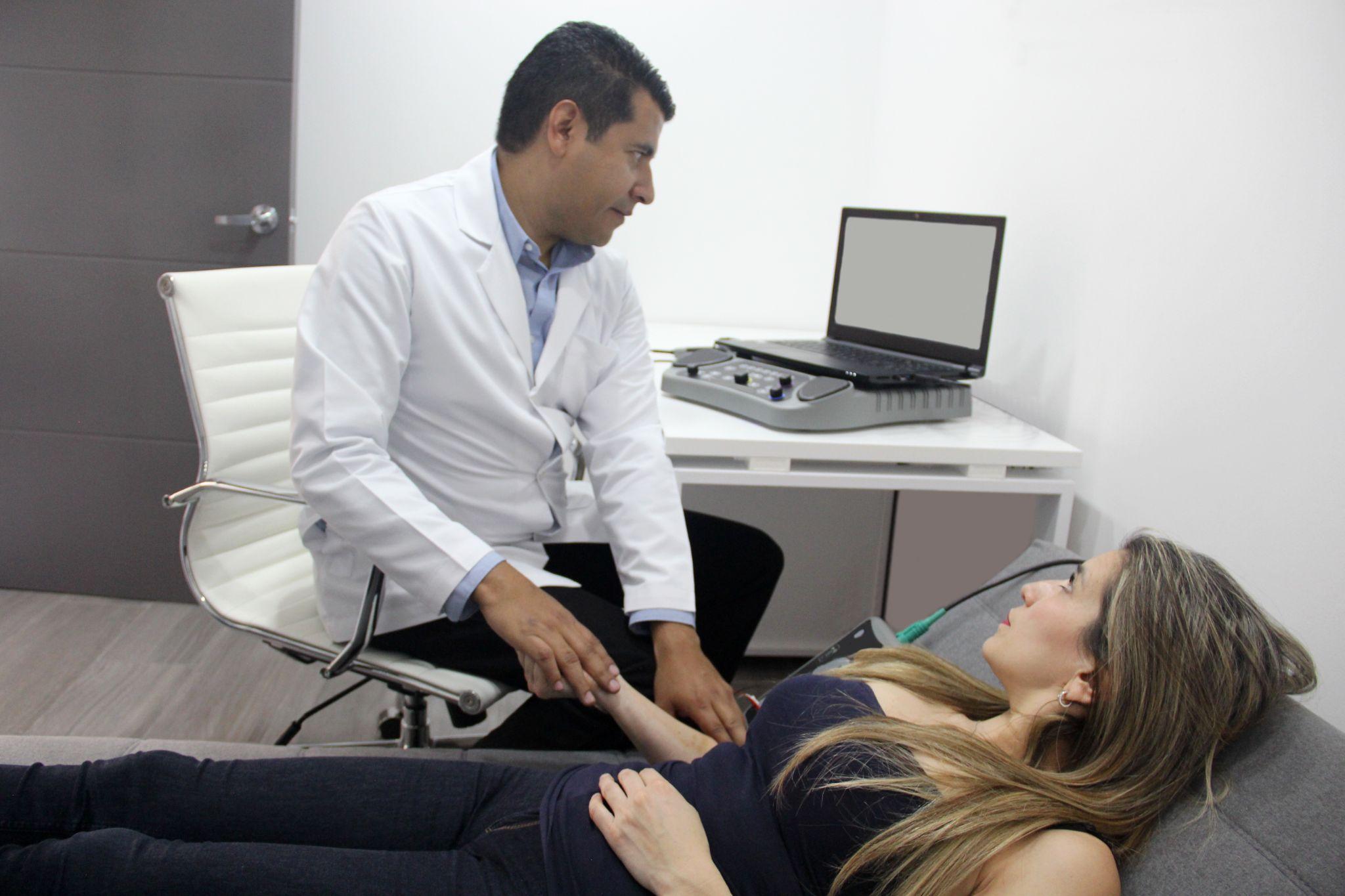
Let’s go through the most common claims you’ll find online and see how they hold up to scrutiny.
Myth #1: “Surgery Is the Only Real Cure”
What you’ll hear: Many doctors and websites present carpal tunnel surgery as the definitive, permanent fix, the one option that truly “cures” the problem.
What the science says: Carpal tunnel surgery has roughly a 50% success rate. That means half the people who go through the procedure, recovery time, and risk don’t get the outcome they were hoping for. Even more importantly, most patients aren’t told that symptoms frequently return after surgery, sometimes within months, sometimes within a few years. The surgery cuts the transverse carpal ligament to create more space, but it doesn’t address the underlying inflammation cycle or the conditions that triggered CTS in the first place.
A lot of physicians recommend surgery relatively quickly because they know the other conventional options (medications, splints, injections) don’t provide lasting relief. It’s not that surgery is the best option; it’s often presented as the only one left. But that’s a reflection of limited treatment options in conventional medicine, not evidence that surgery is the answer.
Myth #2: “Just Wear a Wrist Splint, and It’ll Go Away”
What you’ll hear: Splints are probably the most commonly recommended first step. The logic seems sound: immobilize the wrist, let it rest, let it heal.
What the science says: Wrist splints can provide temporary relief early on, and they have a legitimate role if you’re doing heavy lifting and need short-term support. But wearing a rigid, restrictive splint over time actually makes carpal tunnel worse. Here’s why: immobilizing the wrist leads to muscle atrophy and decreased flexibility, and, critically, it does nothing to restore the blood circulation and lymphatic drainage your body needs to clear the trapped inflammation. Splints manage symptoms while quietly making the underlying problem bigger.
Myth #3: “This Supplement / Essential Oil / Super Food Will Cure It”
What you’ll hear: The internet is full of claims about vitamin B6, turmeric, fish oil, essential oils, and other supplements that supposedly cure carpal tunnel.
What the science says: Some anti-inflammatory supplements may offer modest support as part of an overall health strategy, and there’s nothing wrong with eating well and taking care of your body. But no supplement has been clinically shown to resolve carpal tunnel syndrome on its own. The trapped inflammation inside the carpal tunnel is a mechanical problem, swollen tissue physically compressing a nerve in a tight space. A pill or a topical oil simply can’t reach and release that pressure. Be especially wary of any product claiming to be a “carpal tunnel cure”; that’s a marketing claim, not a medical one.
Myth #4: “Pain Medication Will Get You Through It”
What you’ll hear: Take NSAIDs for the inflammation, or stronger painkillers if it’s really bad. Just manage the pain.
What the science says: Oral pain medications take the edge off, that’s about it. They don’t address compression, restore circulation, or break the inflammation cycle. For a chronic, recurring condition like CTS, the medications commonly prescribed carry real risks: stomach damage from long-term NSAID use, and dependency risks with stronger painkillers. Using addictive or potentially dangerous medications for a condition you’ll likely deal with on and off for years is simply not a safe or logical path.
Myth #5: “Steroid Injections Will Fix It”
What you’ll hear: Cortisone injections are a common recommendation, often presented as a quick, targeted intervention.
What the science says: Steroid injections work about 50% of the time, and when they do provide relief, it typically lasts only two to three months before symptoms return. What’s more, medical guidelines recommend no more than two steroid injections in a single joint over your entire lifetime. So at best, you’re looking at two chances for temporary relief, each with a coin-flip probability of working. That’s not a cure by any definition.
Myth #6: “Just Rest It, and It’ll Heal on Its Own”
What you’ll hear: Take a break from whatever you’re doing, let it rest, and it’ll get better naturally.
What the science says: Rest can reduce symptom flare-ups in the short term, and taking breaks during repetitive activities is a smart prevention habit. But remember the core problem: trapped inflammation is blocking your body’s own healing mechanisms. The blood flow and lymphatic drainage are physically compressed. Simply resting doesn’t release that compression; it just gives you a reprieve from aggravating it. Without something that actively restores circulation and relieves the pressure, rest alone rarely resolves CTS.
The Reality Check: A Quick Comparison
Here’s a straightforward look at how the most common approaches stack up:
| Approach | Addresses Root Cause? | Lasting Relief? | Risks / Drawbacks |
| Surgery | No, cuts ligament but doesn’t address the inflammation cycle | ~50% success; symptoms often return | Scarring, nerve damage, infection, significant downtime |
| Wrist Splints | No, immobilizes but doesn’t restore circulation | Short-term only; worsens over time | Muscle atrophy, reduced flexibility |
| Pain Medications | No, masks cause pain only | None, temporary edge off | Dependency, stomach damage, side effects |
| Steroid Injections | Partially reduces inflammation temporarily | 2–3 months if it works (50% chance) | Max 2 injections per joint, lifetime |
| Supplements / Oils | No, can’t reach trapped inflammation | No clinical evidence for CTS | False hope; delayed real treatment |
| The Carpal Solution | Yes, restores circulation, relieves compression | Clinically documented lasting relief | Non-invasive, no side effects |
So What Actually Works? The Science-Backed Approach

If the goal is to resolve carpal tunnel symptoms and keep them from coming back, the science points to a clear principle: you need to break the cycle of trapped inflammation by restoring the natural blood flow and lymphatic drainage that the compression is blocking.
That’s exactly what The Carpal Solution was designed to do. It’s a non-invasive stretching therapy that you wear at night while you sleep. Rather than restricting your wrist with a splint, it gently stretches the soft tissues around the carpal tunnel to relieve pressure on the median nerve and open the circulatory and lymphatic pathways your body needs to heal.
The key difference is that The Carpal Solution works with your body instead of against it. It doesn’t cut anything, inject anything, or numb anything. It restores the conditions your body needs to resolve inflammation on its own while you rest.
And because CTS is a recurring condition, The Carpal Solution gives you something none of the conventional options can: a safe, repeatable therapy you can come back to anytime symptoms begin to reappear, without accumulated risk or side effects.
With The Carpal Solution, you don’t need to worry about:
- Risky oral pain medications and their side effects
- Restrictive splints that lead to muscle atrophy
- Steroid injections have limited uses and limited effectiveness
- Painful nerve conduction studies
- Surgery has a 50% success rate, and there is no guarantee that it won’t come back
Learn how it works: The Carpal Solution, How It Works
How to Spot Bad Carpal Tunnel Advice Online
Not all health information is created equal, and when you’re in pain, you’re especially vulnerable to claims that sound too good to be true. Here are some red flags to watch for:
- “Instant cure” claims. CTS involves trapped inflammation and nerve compression. Nothing resolves that instantly. Any product promising immediate results is selling hope, not science.
- No explanation of how it works. If a treatment can’t clearly explain the mechanism by which it addresses the trapped inflammation and nerve compression in the carpal tunnel, be skeptical.
- One-size-fits-all solutions. With 100+ conditions connected to CTS, any source that doesn’t acknowledge the complexity of the condition probably doesn’t understand it well enough to help you.
- Pressure to act immediately. Good medical guidance gives you information and lets you decide. If something feels like a high-pressure sales pitch, trust your instincts.
The Bottom Line: You Can Get Real Relief, Without the Risk
Is there a single, permanent “cure” for carpal tunnel syndrome? Honestly, no, and anyone who tells you otherwise isn’t being straight with you. CTS is a chronic condition influenced by a wide range of factors, and it can recur.
But can you achieve full symptom relief, get back to your life, and manage the condition safely whenever it reappears? Absolutely.
The Carpal Solution has helped over 100,000 people do exactly that, without surgery, without addictive medications, without the limitations and risks of conventional treatments. It works by restoring what your body needs to heal itself, and you can use it as many times as needed with zero accumulated risk.
That’s not a miracle cure. It’s something better: a science-based, repeatable, safe solution that puts you in control of your own recovery.
Ready to Take the Next Step?
If you’re tired of chasing treatments that don’t last, we’d love to help you find a better path. Our team is here to answer your questions, help you understand your specific situation, and walk you through how The Carpal Solution can work for you.
- Contact us directly — talk to a real person who understands carpal tunnel
- Explore treatment options — see a full, honest comparison of what’s available
- Learn what causes CTS — understand what’s behind your symptoms
- Read real patient stories — hear from people who’ve been where you are
You don’t have to settle for treatments that only half-work. Get in touch today and let’s find the right solution for you.
Disclaimer: This article is for educational purposes and is not a substitute for professional medical advice. If you’re experiencing hand or wrist symptoms, consult a healthcare provider for a proper diagnosis.