 Created by renowned Harvard health care professionals.

Carpal Tunnel in 2026: Your Complete Guide to Symptoms, Treatments & Prevention
Waking up with numb, tingling fingers or struggling to keep a grip on your morning coffee? It’s tempting to brush off early carpal tunnel symptoms, but that trapped inflammation is actively pinching off the blood flow your body needs to heal itself. Ignoring the warning signs only allows the cycle to progress, eventually trapping you in a frustrating loop of muscle-weakening splints, temporary steroid shots, or a coin-flip surgery. Discover why conventional treatments often fail and how you can break the cycle of pain naturally while you rest.
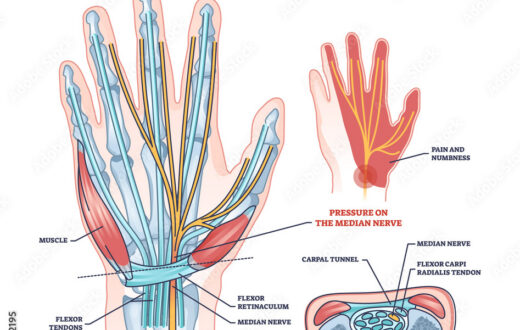

If you’re waking up in the middle of the night with numb, tingling hands, or you’re struggling to grip a coffee cup, open a jar, or type for more than a few minutes without pain, you’re not alone. Millions of people deal with carpal tunnel syndrome (CTS) every year, and the confusion around what causes it, how to spot it, and what actually works to treat it can feel just as overwhelming as the condition itself.
The good news? You have more options than you might think. And with the right information, you can find real, lasting relief without resorting to risky oral pain medications, restrictive splints, steroid injections, painful nerve studies, or carpal tunnel surgery.
This guide brings everything together in one place. Think of it as your home base. We’ll walk you through the essentials and point you toward our in-depth resources for each topic, so you can dive as deep as you’d like.
What Is Carpal Tunnel Syndrome, Really?
At its core, carpal tunnel syndrome is caused by trapped inflammation in the narrow carpal tunnel passageway of the wrist. That trapped inflammation does two things: it compresses the median nerve (which is what causes the numbness, tingling, and pain), and it simultaneously pinches off the blood flow and lymphatic drainage channels your body needs to heal itself.
That’s the real catch with CTS. It’s not just that something is inflamed; it’s that your body’s natural healing mechanisms are being blocked at the same time. The inflammation pinches the nerve, blood supply, and lymphatic channels, creating a cycle that progressively worsens without the right intervention.
Dive deeper: What Causes Carpal Tunnel Syndrome?
Recognizing the Symptoms
Carpal tunnel symptoms can sneak up on you gradually or arrive all at once. Here are the most common signs to watch for:
- Numbness or tingling in the thumb, index, middle, and ring fingers
- Pain or burning that radiates up the forearm or into the shoulder
- Weakness in the hand, dropping things more often than usual
- Waking up at night, needing to shake out your hands
- Difficulty with fine motor tasks like buttoning a shirt or texting
Here’s something many people don’t realize: there are roughly 100 different physiological conditions connected to carpal tunnel syndrome. Pregnancy, diabetes, thyroid disorders, rheumatoid arthritis, and even fluid retention can all trigger or worsen CTS. If you’ve been told you have carpal tunnel but aren’t sure what’s behind it, you’re not alone, and understanding the underlying cause makes a real difference in choosing the right treatment.
Dive deeper: Carpal Tunnel Symptoms & Diagnosis
Why Conventional Treatments Often Fall Short
If you’ve seen a doctor about your carpal tunnel, chances are you’ve been offered one (or several) of the standard treatment options. Let’s talk honestly about what each one actually does, and doesn’t do.
Oral Pain Medications
The medications typically prescribed for CTS—NSAIDs, and in some cases, stronger painkillers, don’t address the root cause. They take the edge off the pain temporarily, but carpal tunnel is a chronic, recurring condition. Relying on oral medications long-term comes with real risks, including dependency and side effects that can be more dangerous than the condition itself. For something you may deal with on and off for years, that’s simply not a sustainable path.
Wrist Splints
Splints might give you a little relief at first, and they do have a place if you’re doing heavy lifting and need temporary support. But here’s the problem: wearing a rigid, restrictive splint over time actually makes carpal tunnel worse. Your muscles begin to atrophy from lack of use, your flexibility decreases, and the underlying inflammation never gets resolved. It’s a band-aid that can quietly make the problem bigger.
Steroid Injections
Cortisone injections work about 50% of the time, and when they do work, the relief typically lasts only two to three months before symptoms return. What many patients aren’t told is that medical guidelines recommend no more than two steroid injections in a single joint over your entire lifetime. That’s not a long-term solution; it’s two shots, and you’re done, whether they helped or not.
Carpal Tunnel Surgery
Many physicians move fairly quickly to recommending surgery because they know the other options listed above don’t provide lasting relief. And while surgery sounds like a definitive fix, the reality is quite different. Carpal tunnel surgery is only successful about 50% of the time. What’s more, most patients don’t realize that even when surgery does provide initial relief, the symptoms frequently come back. It’s not the permanent cure many people hope for, and it comes with all the risks of any surgical procedure, scarring, nerve damage, infection, and significant downtime.
Dive deeper: Carpal Tunnel Treatment Options Compared
A Better Approach: The Carpal Solution
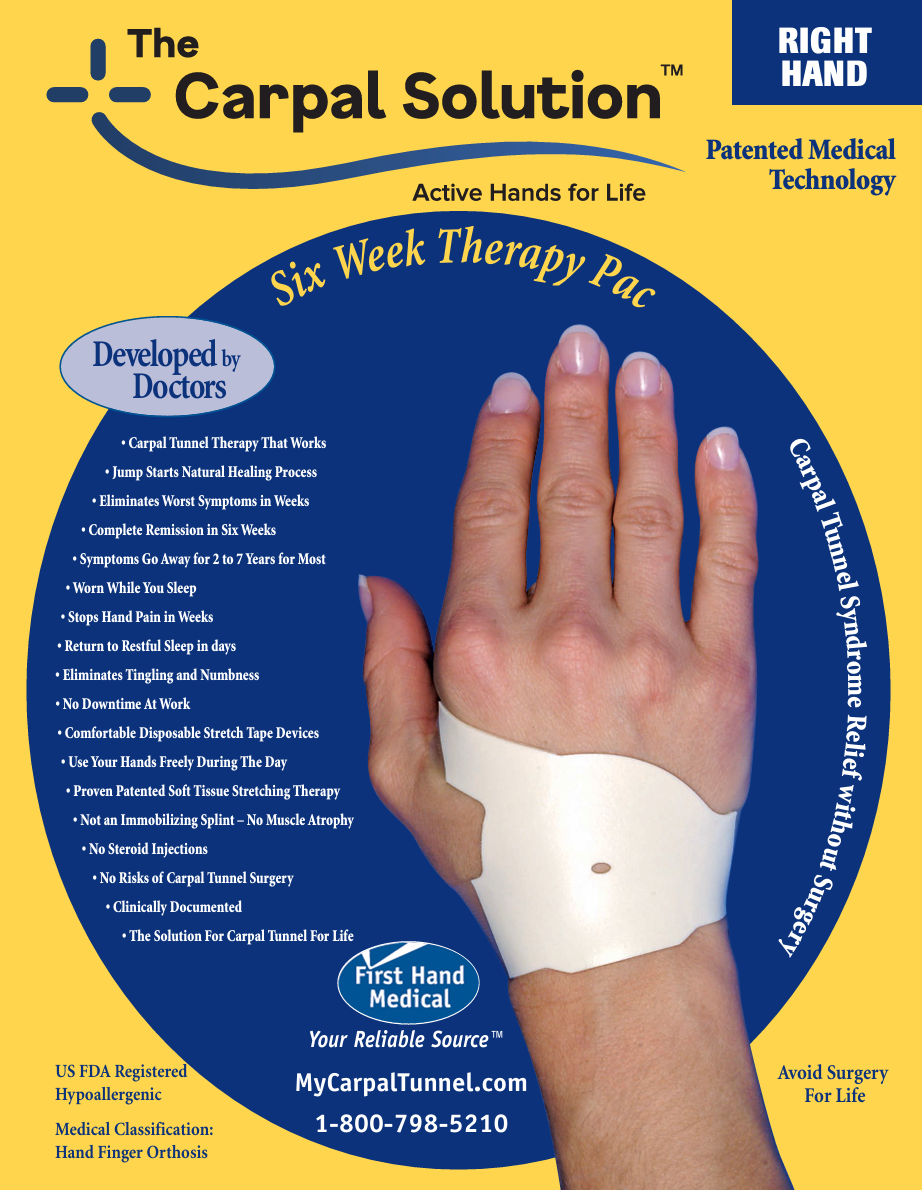
So if conventional treatments either mask symptoms, make things worse, or come with a coin-flip success rate, what actually works?
The Carpal Solution is a non-invasive, clinically documented stretching therapy that you wear at night while you sleep. Instead of restricting movement like a splint, it gently stretches the soft tissue around the carpal tunnel to relieve pressure on the median nerve and, just as importantly, restore the natural blood circulation and lymphatic drainage that your body needs to flush out the trapped inflammation on its own.
That’s what makes it fundamentally different. It doesn’t just treat the pain. It addresses the underlying mechanism that keeps your body stuck in the cycle of inflammation, compression, and worsening symptoms.
With The Carpal Solution, there’s:
- No risky oral pain medication
- No restrictive splints
- No steroid injections
- No painful nerve studies
- No carpal tunnel surgery
Just gentle, natural therapy that works with your body while you rest.
Learn more: How The Carpal Solution Works
Prevention: Staying Ahead of Carpal Tunnel
Whether you’re trying to prevent carpal tunnel from developing in the first place or keep it from coming back after treatment, a few proactive habits go a long way:
- Take regular breaks during repetitive hand and wrist activities, set a timer if you need to.
- Keep your wrists in a neutral position when typing, using a mouse, or working with tools.
- Stretch your hands, fingers, and wrists throughout the day; gentle stretching helps maintain circulation.
- Manage underlying health conditions (like diabetes or thyroid issues) that can contribute to CTS.
- If you start noticing early symptoms, act early; carpal tunnel is much easier to address before it becomes severe.
The Carpal Solution also works exceptionally well as a preventive therapy. Many people use it at the first sign of symptoms to restore circulation and stop the cycle from progressing.
Dive deeper: Preventing Carpal Tunnel Syndrome
Who’s Most at Risk?
Carpal tunnel doesn’t discriminate, but certain groups face a higher likelihood of developing it:
- People who perform repetitive hand motions at work (office workers, assembly line workers, musicians, hairstylists)
- Pregnant women (fluid retention increases pressure in the carpal tunnel)
- People with diabetes, thyroid conditions, or rheumatoid arthritis
- Adults over 40, especially women (who are three times more likely to develop CTS than men)
- People with previous wrist injuries or fractures
If you fall into any of these categories, being proactive about hand health is one of the best things you can do for yourself.
Dive deeper: Carpal Tunnel Risk Factors
Explore Our Complete Carpal Tunnel Resource Library
We’ve built a comprehensive library of resources to help you understand every aspect of carpal tunnel syndrome. Here’s a quick overview of what you can find:
- What Causes Carpal Tunnel? — The science behind trapped inflammation and the 100+ connected conditions.
- Symptoms & Diagnosis — How to identify CTS early and get a proper diagnosis.
- Treatment Options Compared — An honest look at splints, medications, injections, surgery, and what actually works.
- How The Carpal Solution Works — The science behind our non-invasive nighttime stretching therapy.
- Prevention Strategies — Practical habits and early interventions to stay symptom-free.
- Risk Factors — Find out if your job, health history, or lifestyle puts you at higher risk.
- Patient Success Stories — Real people who found relief with The Carpal Solution.
You Don’t Have to Live with Carpal Tunnel Pain

Carpal tunnel syndrome can feel isolating and frustrating, especially when the treatments you’ve been offered either don’t work or come with trade-offs that seem worse than the condition itself. But you have real options.
The Carpal Solution has helped over 100,000 people find relief naturally, without the risks and limitations of conventional treatments. It works with your body’s own healing ability to break the cycle of trapped inflammation, restore circulation, and let your hands recover, all while you sleep.
If you’re ready to take the next step, explore The Carpal Solution today or order your Carpal Solution therapy pack and start feeling the difference.
Disclaimer: This article is for educational purposes and is not a substitute for professional medical advice. If you’re experiencing hand or wrist symptoms, consult a healthcare provider for a proper diagnosis.