 Created by renowned Harvard health care professionals.

Carpal Tunnel Exercises, Nerve Glides and Stretching, Safety Tips
Carpal tunnel nerve glides are key to calming symptoms by restoring the smooth movement of your median nerve. But beware: forceful stretching can actually increase irritation. This guide introduces safe, controlled exercises to lower wrist pressure and improve mobility. Learn the right way to move so you can return to typing and gripping with confidence, ensuring your hands feel soothed rather than stressed.
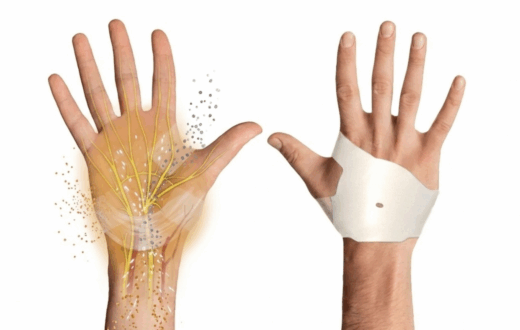

Introduction: Why Movement Helps
Carpal tunnel symptoms often flare when tendons and the median nerve lose easy glide inside the wrist. Gentle motion restores slide, reduces pressure from stiff tissues, and teaches your wrist to tolerate everyday grip, typing, or tool use again. The goal is controlled motion, not forceful stretching. You should finish a session feeling calmer, not irritated.
For the complete treatment landscape, including splints, injections, and surgery, use the comparison guide.
Gentle motion restores slide, reduces pressure from stiff tissues, and teaches your wrist to tolerate everyday grip, typing, or tool use again — that’s the whole point of carpal tunnel nerve glides.
Safety Rules Before You Start
Use these rules to keep sessions productive and safe.
- Pain rule: Stop before sharp pain. Mild pulling or a light tingle is acceptable; burning or zapping is not.
- Symptom rule: Symptoms should settle within five to ten minutes after you finish. If not, cut the dose in half next time.
- Speed rule: Slow in, slower out. Nerves dislike fast, jerky motion.
- Range rule: Use a small range first. Increase only when the small range is consistently calm.
- Frequency rule, short sessions twice a day beat one long session.
- Hand position rule: aim for a straight wrist. Avoid deep flexion or extension unless a clinician guides you.
- Red flags, persistent numbness, apparent weakness, or thumb muscle atrophy warrant medical review before proceeding.
Carpal Tunnel Nerve Glides vs. Stretches: What’s the Difference
- Nerve glides: very gentle movements that slide the median nerve relative to surrounding tissues. Imagine flossing, not tugging. The aim is to lower sensitivity and improve motion with minimal strain.
- Muscle and tendon stretches: slow holds that lengthen the forearm flexors and related tissues. These relieve stiffness that crowds the tunnel.
- Strength and control: light gripping and thumb control drills that reintroduce function once symptoms quiet down.
You will start with nerve glides, add easy stretches as tolerated, then sprinkle in light strength.
The Starter Routine, Morning and Evening
Each session takes four to six minutes. Breathe normally, keep your shoulders relaxed, and stop if your symptoms spike.
Step 1: warm-up glide, 30 seconds.
- Gently circle each wrist ten times each way with your fingers relaxed. Keep ranges small and smooth.
Step 2: median nerve glide, two sets of five
- Sit tall, elbow bent at your side, forearm palm up.
- Open your hand, then extend the wrist slightly until you feel a mild stretch in the forearm, not pain.
- Hold one second, then return to neutral.
- Keep the movement tiny. If tingling jumps past mild, reduce the motion.
Step 3: tendon glides, one set of five through each hand shape
- Sequence, straight hand, hook fist, straight fist, full fist, then back to straight.
- Move slowly, taking 1 to 2 seconds per shape.
- Keep the wrist near neutral; think finger motion, not wrist bending.
Step 4: forearm flexor stretch, two holds of ten to fifteen seconds
- Elbow straight, palm up, gently extend the wrist with the other hand until a comfortable stretch appears in the forearm.
- Hold the position, do not bounce, stay well below sharp pain.
- Return to neutral slowly.
Step 5: thumb control reset, thirty seconds
- Touch thumb to index, middle, ring, and small finger, five times each, light contact only.
- Keep the wrist straight and relaxed.
Session check: You should feel looser, not irritated. If tingling lingers more than ten minutes, cut all reps in half next time.
Workday Microbreaks, Ninety-Second Resets
Repeat this short sequence every 30 to 45 minutes during hand-intensive tasks.
- Five wrist straightening resets, hands at your sides, breathe out as you relax the shoulders.
- One round of tendon glides through the four hand shapes, gentle and slow.
- One minimal nerve glide, two or three gentle reps only.
- Posture check, forearms level with the keyboard or tool, wrists straight, grip pressure as light as possible.
These tiny breaks prevent load spikes that can ignite symptoms later in the day or at night.
Progression Plan, Week by Week

Week 1, calm and consistent
- Keep the starter routine twice a day.
- Replace long sessions with many small ones, for example, three two-minute resets across the evening.
- Track night awakenings and a thirty-minute task tolerance, for example, typing or light grooming.
Week 2, a little more motion
- Increase nerve glide range a few degrees if week 1 was calm.
- Add one extra set of tendon glides if there is no lingering irritation.
- Begin with light strength, three drills, three days per week, never to fatigue.
- Soft putty pinch, five easy squeezes.
- Rubber band finger spread, five easy opens.
- Thumb opposition with light resistance, five slow reps.
- If symptoms rise, drop back to the previous dose for three days.
Week 3 and beyond, build tolerance.
- Maintain calm ranges, increase only after 72 calm hours.
- Extend flexor stretch holds to twenty to thirty seconds if tolerated.
- Add task-specific practice, for example, short bouts of typing with a straight wrist, short grooming sessions with a lighter grip, and short tool work with frequent resets.
- Keep strength work light to moderate, not maximal. If you find it challenging to maintain this routine or need faster relief, you can compare these exercises with our automated stretching therapy.
Common Mistakes and How To Fix Them
- Overstretching, you feel a big pull and assume more is better. Fix, aim for mild stretch, never deep pain.
- Rushing reps, nerves hate speed. Fix: count a slow one-two in and one-two out.
- Bending the wrist during glides puts stress on the tunnel. Fix: keep the wrist straight and let the fingers move instead.
- Skipping microbreaks, symptoms spike after long sessions. Fix, set a timer, and honor short resets.
- Fatigue training, heavy gripping, and tissue inflammation. Fix, stay light, and frequent.
How To Measure Results
Use three simple markers, write them down twice a week.
- Sleep, number of nights, awakenings from hand symptoms. The goal is a 50 percent drop within two to four weeks.
- Function, the time you can work at a key task before symptoms, for example, typing or using a standard tool. The goal is steady increases.
- BCTQ score: if you use the Boston Carpal Tunnel Questionnaire in the clinic, aim for a drop of at least half a point over several weeks.
If numbers are flat or worse for seven to ten days, change the plan, not your expectations. Visit the comparison guide for next steps.
When To Pause Exercises and Call a Clinician

- Constant numbness that does not settle with rest
- Noticeable weakness or visible thinning at the base of the thumb
- Sudden increase in pain, burning, or electric shock sensations
- Symptoms that spread outside the classic thumb to middle finger pattern
- No improvement after two to three weeks of gentle, consistent work
Use the contact page if you want a clinician to review your pattern and tailor the plan.